










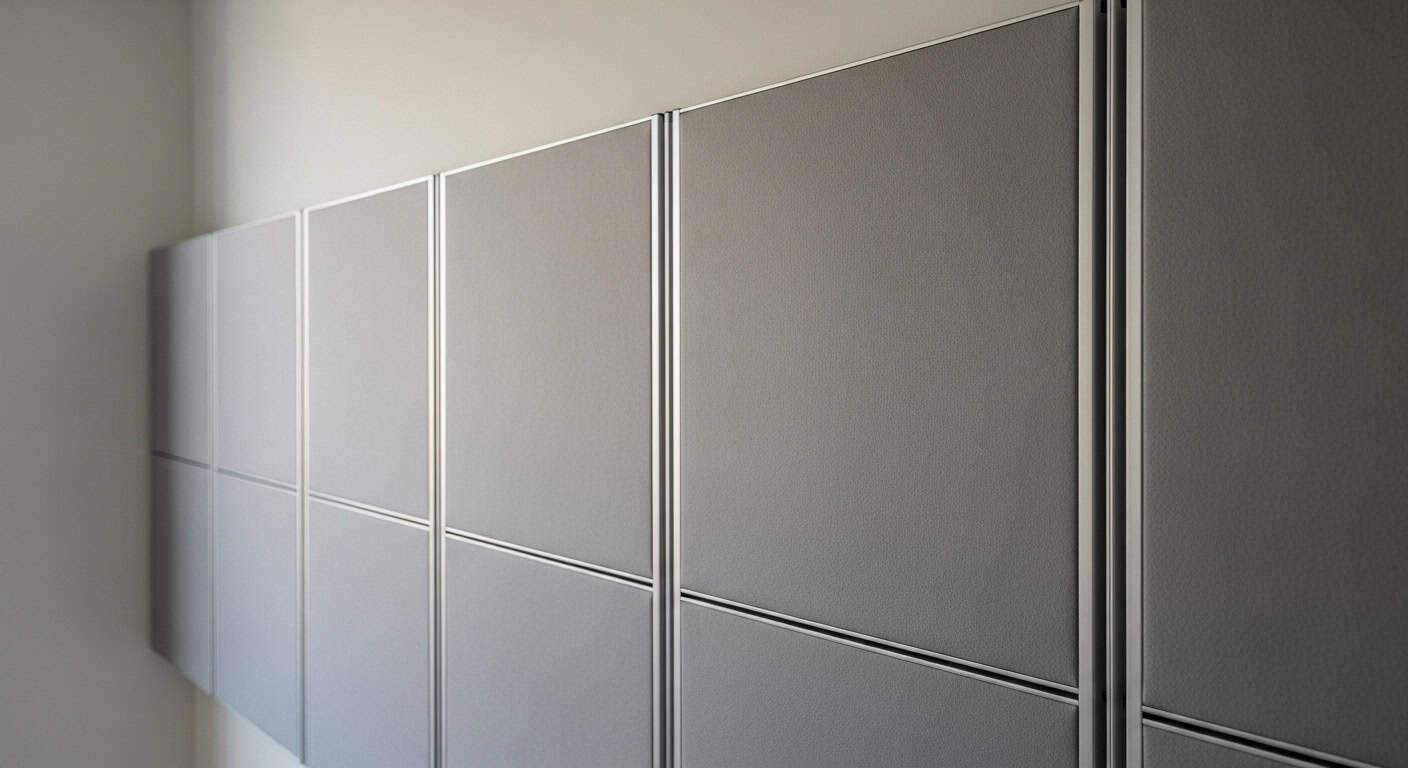
Why Modular Branding Is Replacing Permanent Walls
Commercial interiors are moving away from fixed, built-in branding for a simple reason: permanence no longer matches how businesses operate. Retail layouts change seasonally. Corporate offices rebrand, reorganize, or relocate. Event environments are temporary by definition.
Walls designed to last ten years often become liabilities after two.
This shift has pushed brands toward modular branding systems—solutions that deliver strong visual impact without locking spaces into a single configuration. That’s where the SEG panel has emerged as a practical alternative to full, fixed SEG wall installations.
Instead of treating branding as construction, SEG panel systems treat it as infrastructure: installable, removable, reconfigurable, and reusable.
How SEG Panel Systems Differ from Traditional SEG Walls
At a glance, SEG panels and fixed SEG walls can look identical once installed. Structurally, however, they are very different systems.
A traditional SEG wall is typically designed as a continuous, site-specific installation. Frames are mounted directly to the wall in a unified layout and behave as a single surface once installed.
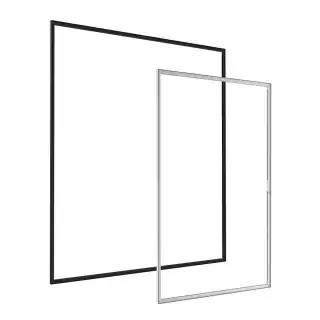
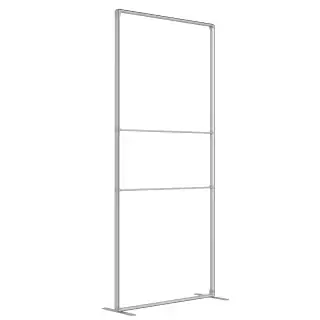
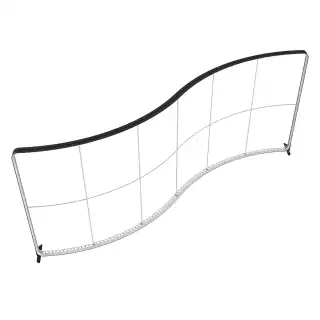
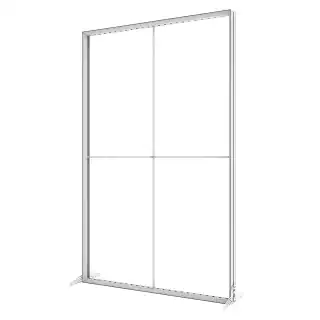
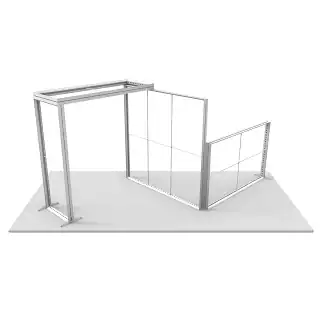
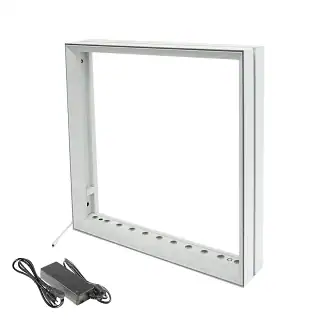
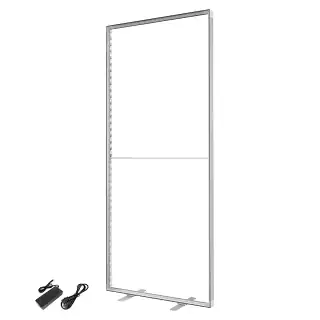
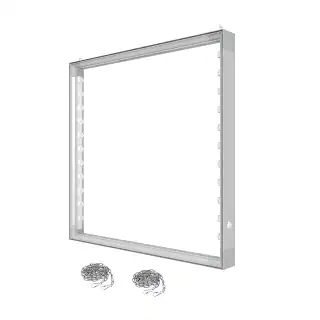
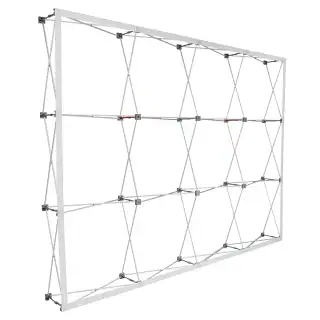
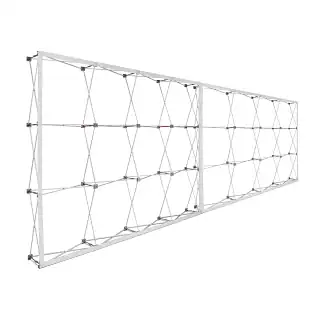
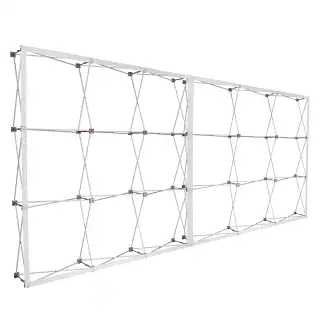
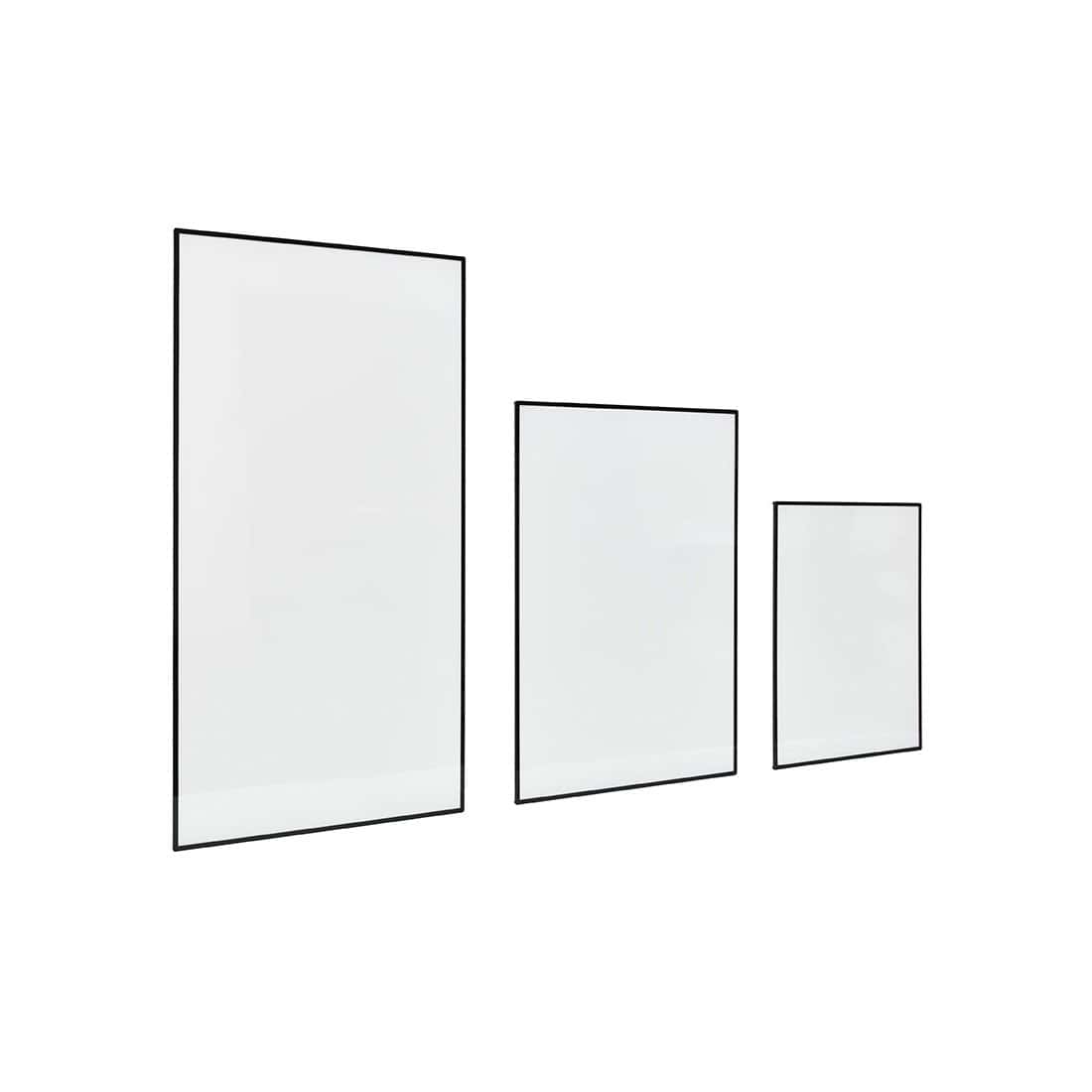
A SEG panel system is intentionally segmented. Each panel is a self-contained frame with its own structure, mounting method, and fabric graphic. Panels align visually, but remain independent units.
This panelized construction enables modularity. Individual panels can be removed, replaced, or repositioned without disturbing the entire wall. The trade-off is alignment sensitivity.
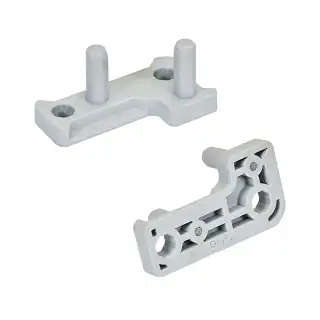
Because each panel is independent, cumulative tolerances matter. Well-engineered SEG panel systems manage this with consistent frame depths, alignment features, and controlled reveal gaps.
Typical Use Cases for SEG Panel Installations
SEG panel systems perform best in environments where change is expected—not exceptional.
Retail Rollouts
SEG panels allow brands to standardize visual elements across locations while adapting layouts to different wall sizes. Core panels can be reused, rearranged, or selectively updated without redesigning entire walls.
Corporate Interiors
In offices where departments shift or brand messaging evolves, SEG panels support updates without construction downtime or wall damage.
Event and Temporary Environments
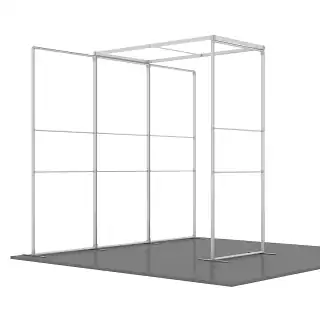
Trade shows, pop-ups, and traveling exhibits benefit from systems that break down cleanly, ship efficiently, and reassemble predictably. Fixed SEG walls are rarely practical here.
The common factor across these use cases is lifecycle flexibility—not upfront budget.
Visual Continuity and Seam Management in SEG Panels
Visual continuity is the most common concern with SEG panel systems—and the most misunderstood.
Seams are unavoidable in panelized systems. The key is whether those seams are controlled.
Poorly designed SEG panels produce uneven gaps, misaligned graphics, and visible breaks that undermine visual impact. Well-designed systems manage seams intentionally.
Panel-to-panel joins require:
- Consistent frame profiles
- Controlled mounting depth
- Repeatable reveal gaps
Graphic preparation is equally critical. Designers must plan artwork around panel boundaries. Highly detailed imagery, faces, and fine typography expose even small alignment errors.
From real installation experience, seams become noticeable when walls are uneven, tolerances stack across many panels, or design ignores panel boundaries. These are planning issues—not inherent flaws of SEG panels.
Installation, Transport, and Reconfiguration Benefits
Installation is where SEG panel systems clearly separate themselves from fixed SEG walls.
Panels are often preassembled or partially assembled off-site. On-site installation becomes repeatable: mount hardware, hang panels, insert graphics. This reduces installation time and lowers labor risk.
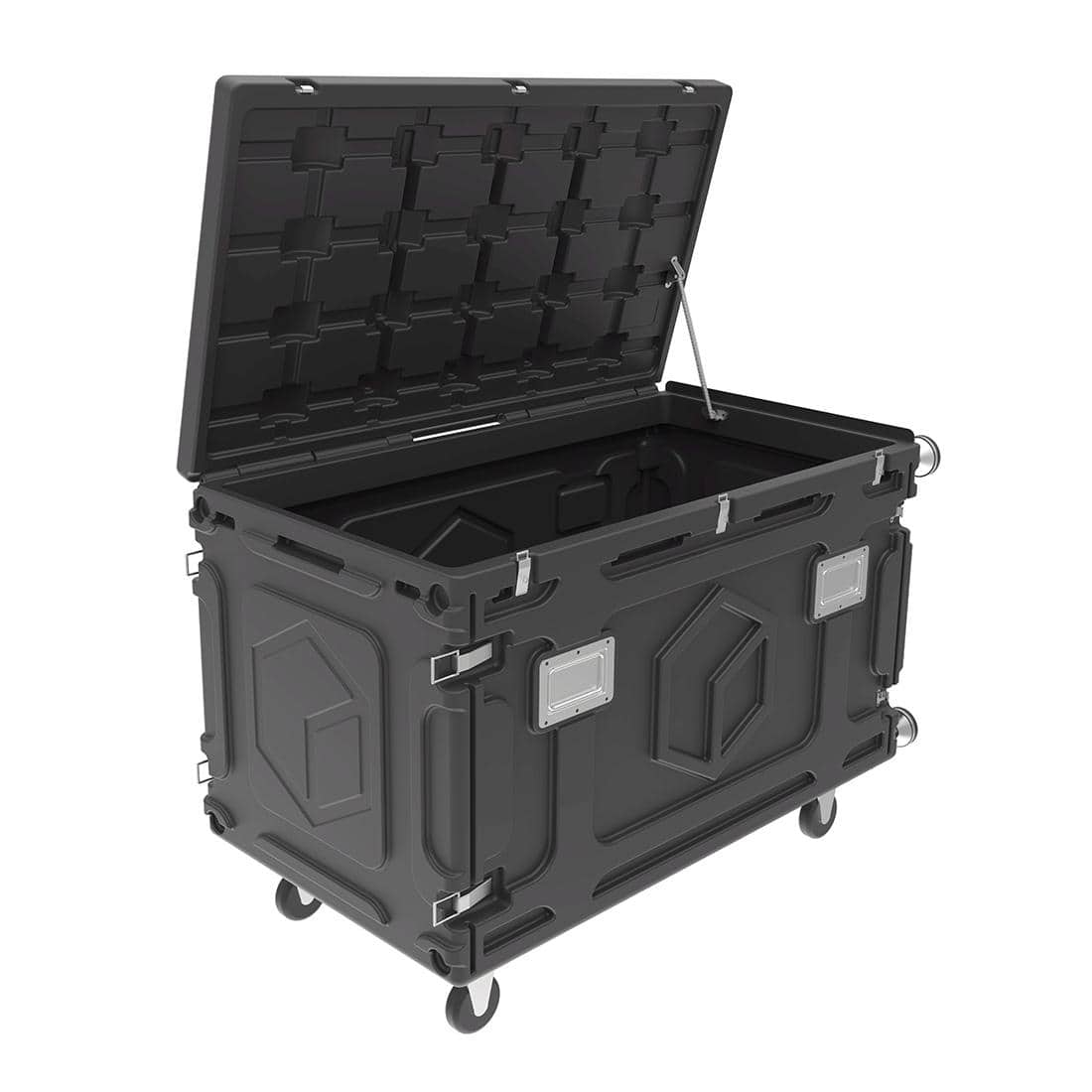
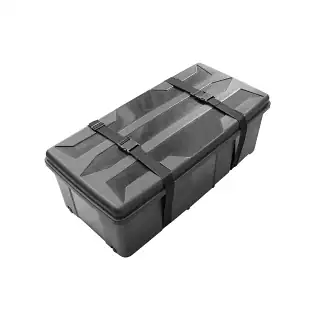
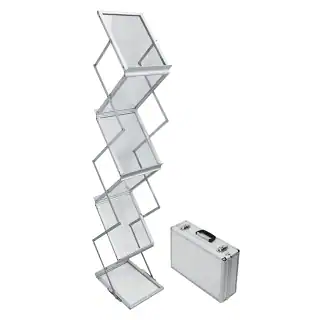
Transport is another advantage. SEG panels break down into manageable components that fit into standard cases or crates. Individual damaged panels can be replaced without scrapping the entire wall.
Reconfiguration is the primary value driver. Panels can be rearranged, expanded, or redeployed across locations. A system purchased for one project rarely remains locked to it.
Modularity does require planning. Clear labeling, documentation, and consistent panel standards are essential for efficient reuse.
Cost Considerations Compared to Fixed SEG Walls
Upfront, SEG panel systems can appear more expensive than fixed SEG walls. Individual frames, additional hardware, and modular engineering increase initial investment.
The savings emerge over time:
- No demolition or rebuild costs during rebranding
- Selective graphic replacement instead of full-wall reprints
- Reuse across multiple locations or projects
For organizations that move, refresh branding, or operate at scale, these savings compound quickly. A fixed SEG wall may be cheaper once—but expensive every time it becomes obsolete.
The long-term value of SEG panels lies in flexibility. They turn branding from construction into reusable assets.
Final Takeaway: When SEG Panel Systems Make Sense
SEG panel systems are not a replacement for every SEG wall. They are a response to how commercial spaces actually function today.
If branding is permanent and site-specific, fixed SEG walls still make sense. If branding is modular, repeatable, and expected to evolve, SEG panel systems are often the smarter investment.
The right choice depends on alignment between the system and how the space will change over time.










 5101 Commerce Dr., Baldwin Park, CA 91706
 ExhibitorLive 2026 , Mar 30-April 1, Tampa , FL , Booth #237