




Why Backlit Displays Get So Much Attention
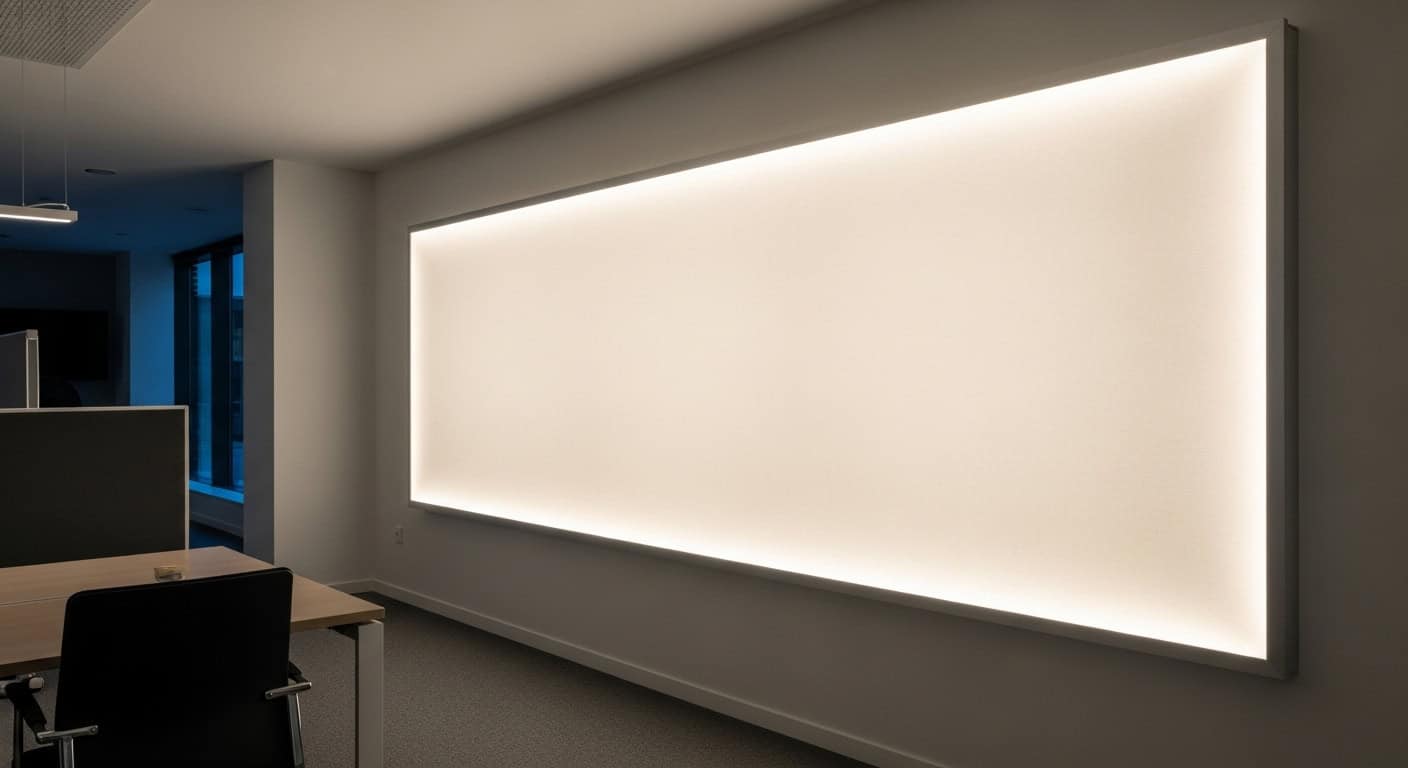
Backlit displays attract attention because human vision is naturally drawn to illuminated surfaces. Brightness signals importance and focal priority, especially in visually crowded environments.
This effect has led many brands to assume that adding light automatically improves wall branding. In practice, that assumption is often wrong. Poorly designed backlit systems amplify flaws just as effectively as they enhance strong visuals.
The light frame for wall conversation requires nuance. Light frames are situational tools. When designed and applied correctly, they deliver measurable value. When misapplied, they become expensive distractions.
How Light Frame Wall Display Systems Are Built
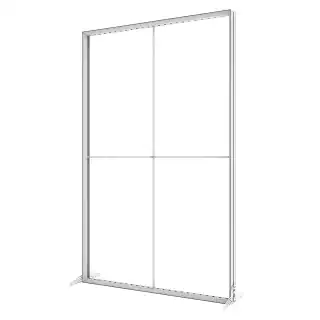
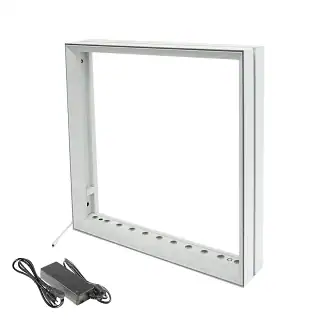
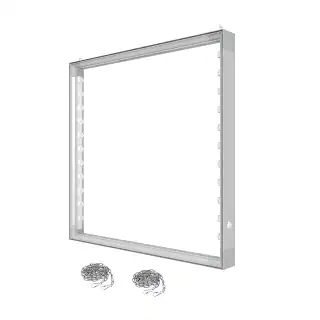
A light frame wall display is not simply a standard SEG frame with LEDs added. Performance depends on how lighting, structure, and materials work together.
LED Placement
Most wall-mounted light frames use perimeter-mounted LEDs that project light inward. Poor spacing or inconsistent output leads to visible hot spots and brightness falloff.
Frame Depth Requirements
Frame depth directly affects illumination quality. Shallow frames place LEDs too close to the fabric, limiting diffusion. Deeper frames allow light to spread evenly before reaching the graphic.
Diffusion Methods
Diffusers soften light and eliminate visible points. Low-quality diffusers cause banding or dull brightness, while high-quality diffusers balance clarity and uniformity.
Illumination quality is a construction issue—not a graphic design issue.
Visual Impact Compared to Non-Lit SEG Displays
The main reason to choose a light frame for wall branding is visual impact, but that impact depends on context.
Brightness perception is relative. Backlit displays stand out in moderately lit environments but lose contrast in already bright spaces.
Color saturation improves with backlighting. Light passing through fabric increases vibrancy, especially in darker tones and gradients.
Viewing distance matters. Illumination helps visibility from afar, but poor diffusion becomes obvious at close range.
Compared to non-lit SEG wall displays, light frames raise both performance potential and risk. Execution determines success.
Power, Heat, and Energy Considerations
Lighting introduces operational requirements that many buyers underestimate.
- Electrical access: Power must be planned in advance; retrofitting is costly.
- Heat management: LEDs still generate heat, which must dissipate safely.
- Energy usage: Timers, dimmers, and occupancy sensors reduce long-term cost.
A light frame wall display becomes part of the building’s electrical and maintenance infrastructure.
Installation and Maintenance Realities
Installation complexity increases significantly once lighting is involved.
Wall preparation must support added weight and concealed wiring.
Service access is critical. Well-designed systems allow LED and power access through the SEG fabric without removing the frame.
Graphic replacement requires care to avoid damaging LEDs or diffusers. Maintenance teams need proper guidance.
In real installations, most failures stem from poor access planning—not faulty lighting components.
Cost vs ROI Across Different Environments
The return on investment for a light frame for wall display varies by environment.
Retail Environments
High ROI in flagship stores and high-traffic zones where visibility drives engagement.
Corporate Branding
Effective in lobbies and executive spaces; often unnecessary in corridors or work areas.
Trade Show Applications
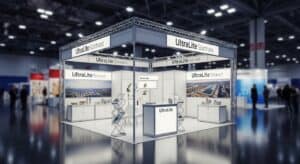
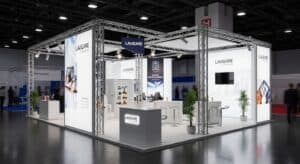
Strong visibility advantage, but power costs, setup time, and transport weight can reduce ROI.
Illumination delivers value only when it supports a clear business objective.
When Light Frames Are Not Worth the Investment
There are clear situations where light frames should be avoided:
- High ambient light environments with low contrast
- Short-term or one-time installations
- Budgets that force compromises in depth or diffusion quality
If proper construction cannot be supported, non-lit SEG wall displays are often the better choice.
Expert Recommendations for Buyers
Before specifying a light frame for wall applications, ask:
- What is the frame depth, and why?
- How are LEDs spaced and diffused?
- How is heat managed?
- Can graphics be replaced without accessing wiring?
- What is the expected LED lifespan?
Request real installation examples, not just renderings. Field performance matters.









 5101 Commerce Dr., Baldwin Park, CA 91706
 ExhibitorLive 2026 , Mar 30-April 1, Tampa , FL , Booth #237