





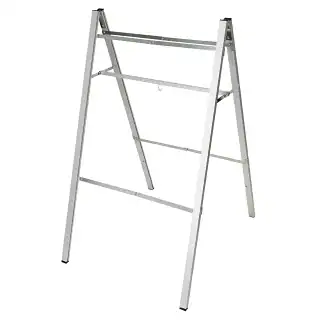
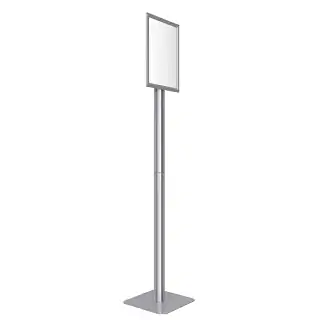
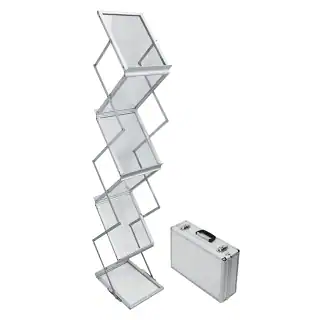
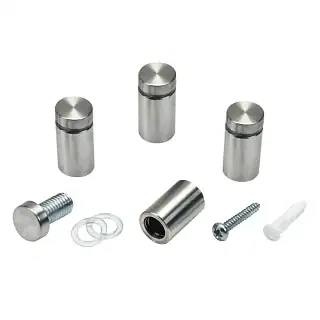
Features of the Latest Display Products:
Innovative Materials & Designs:
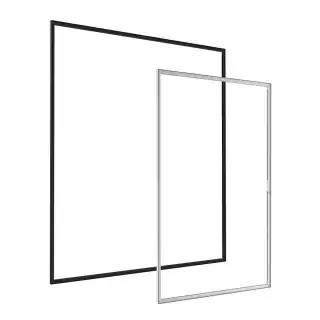
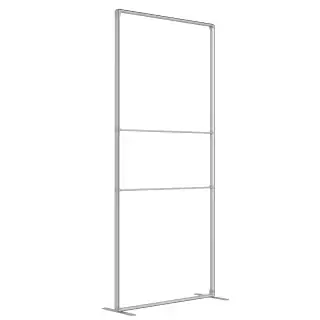
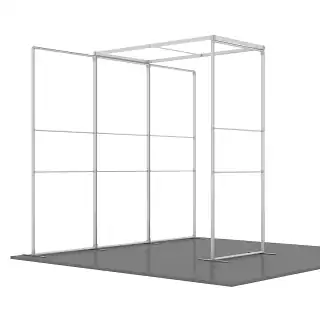
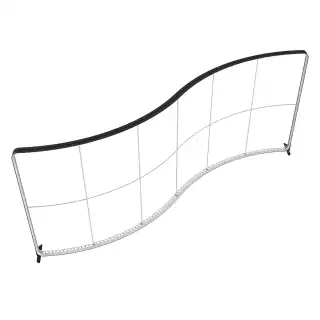
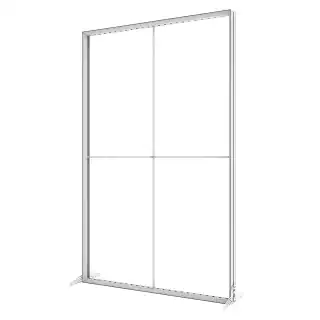
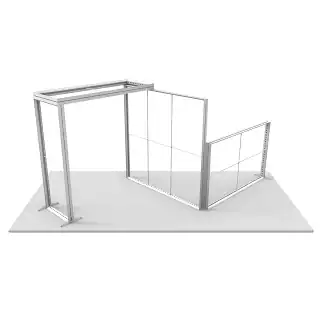
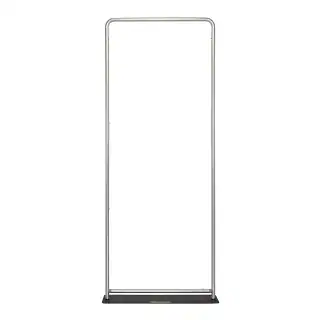
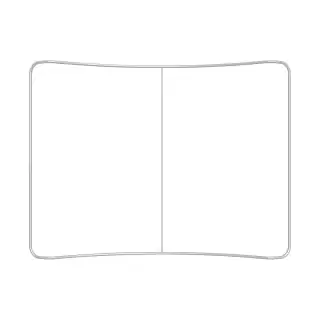
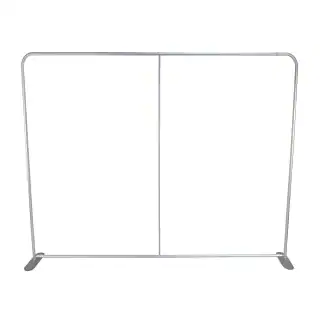
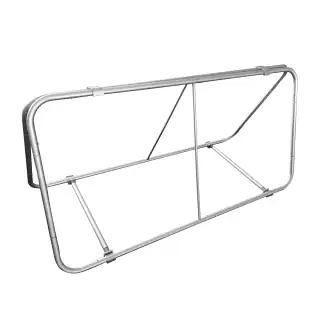
The architecture of the trade show floor has been revolutionized by lightweight aluminum extrusion frames and Silicone Edge Graphics (SEG). These materials allow for massive, floor-to-ceiling fabric walls that are perfectly smooth and wrinkle-free. Modular panels now offer the ability to create 3D shapes, such as curved corners or recessed shelving, giving the booth a custom-built, architectural feel without the custom-built price tag.
Enhanced Visual Appeal:
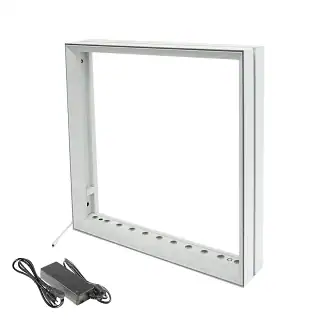
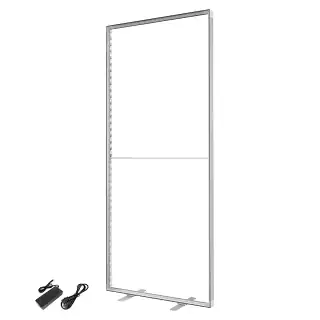
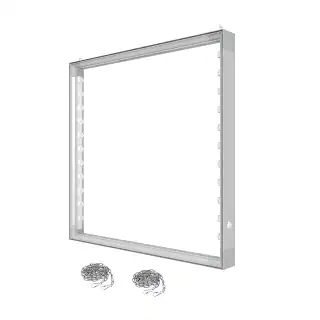
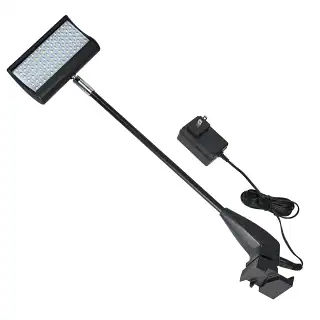
Visual impact is now driven by LED integration. Backlit graphics have moved from being a luxury to a standard expectation, providing a vibrant glow that cuts through the dim lighting of large expo halls. High-impact branding is further supported by “skinning” frames with high-density fabrics that absorb light rather than reflecting it, ensuring photography and colors look perfect under any conditions.
Modular and Portable Options:
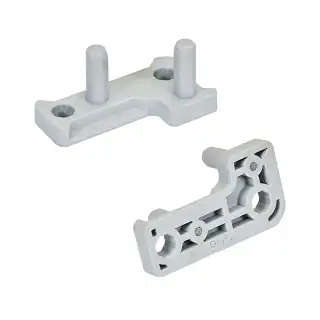
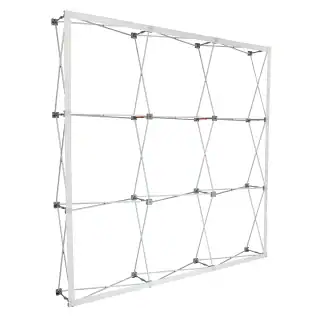
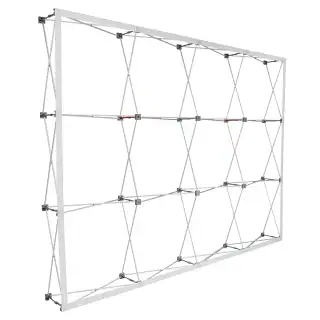
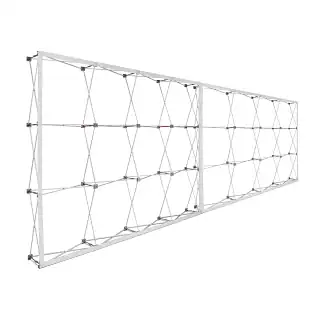
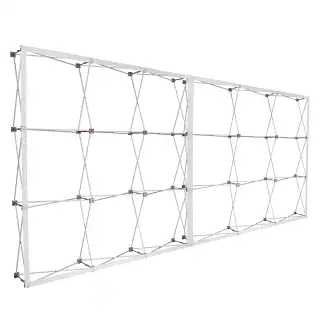
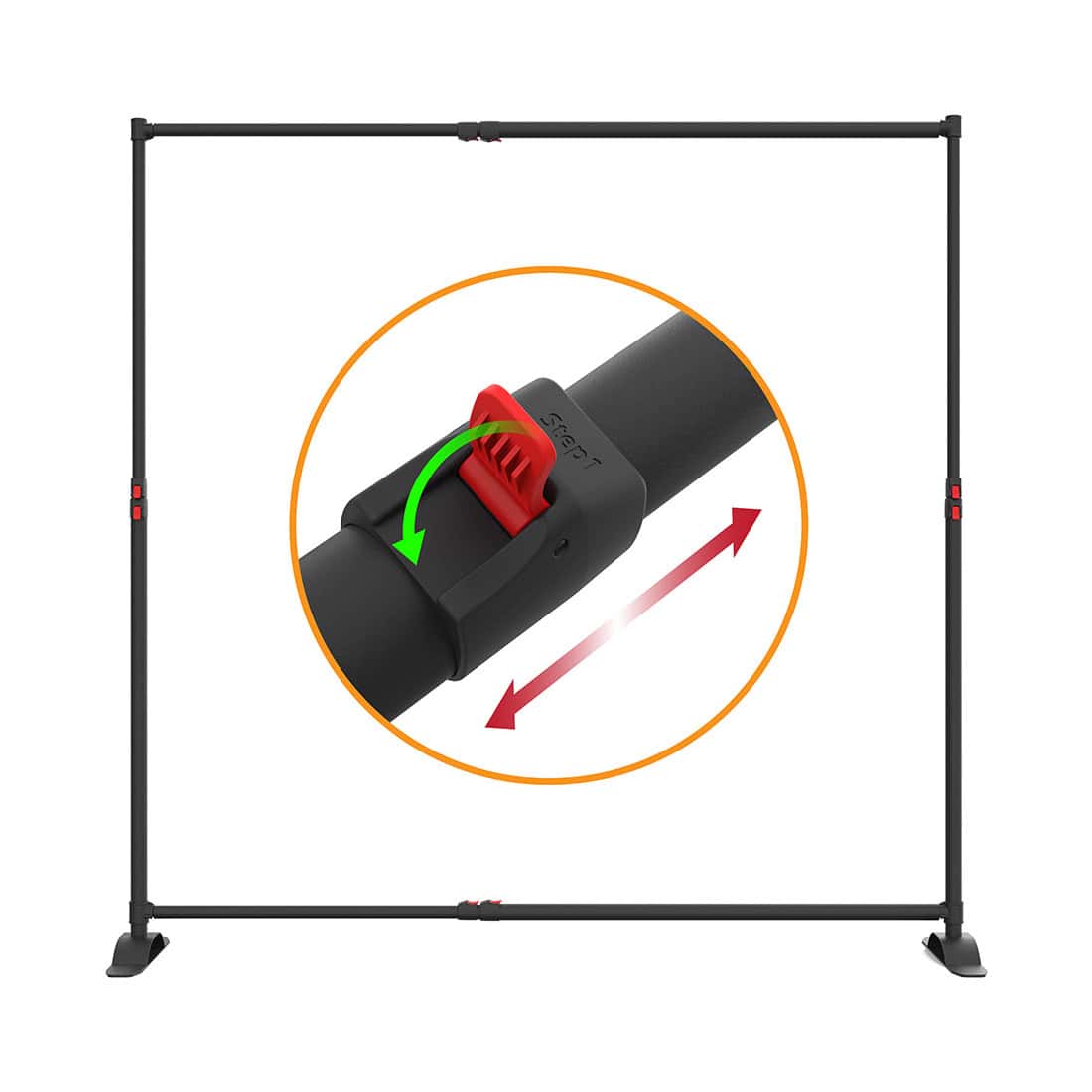
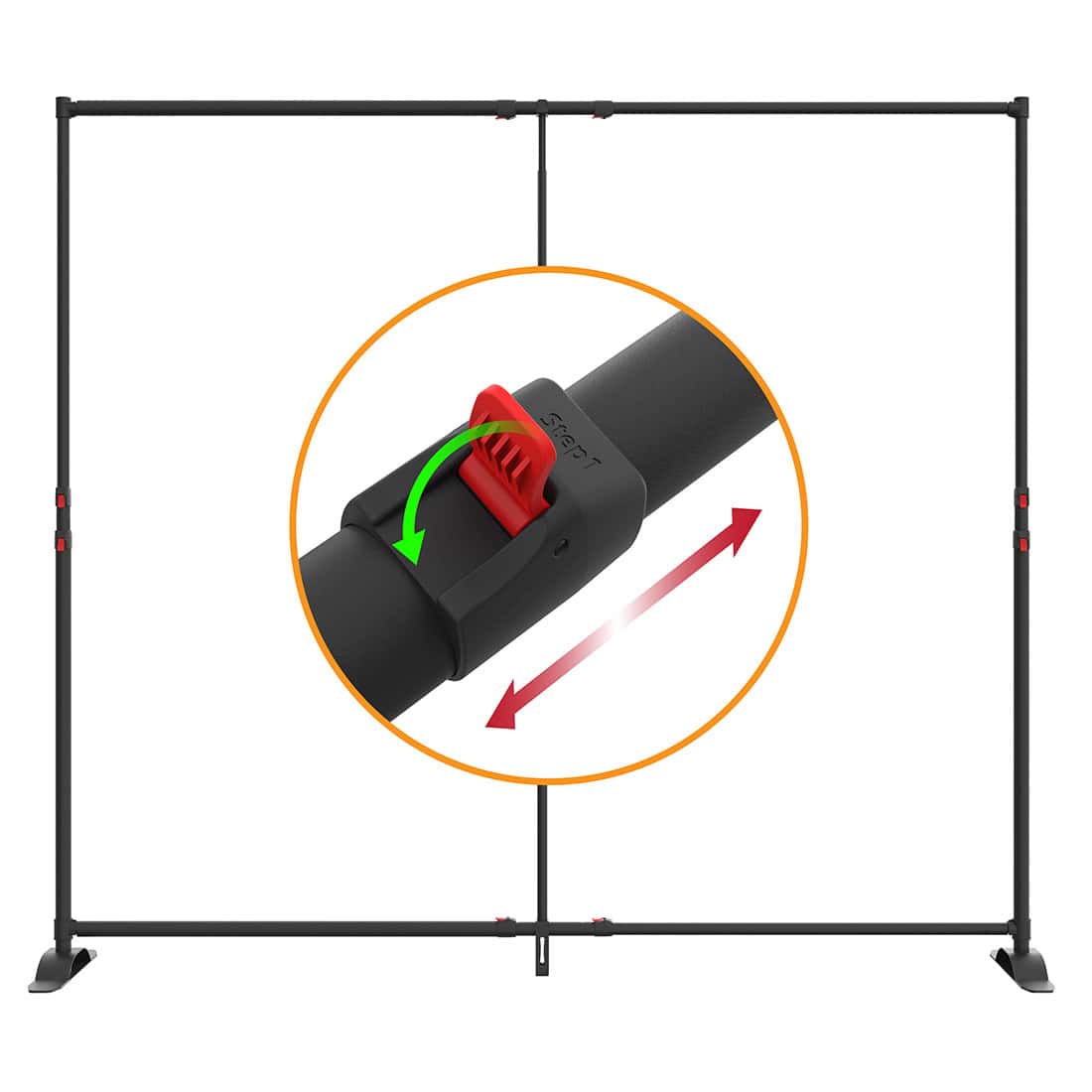
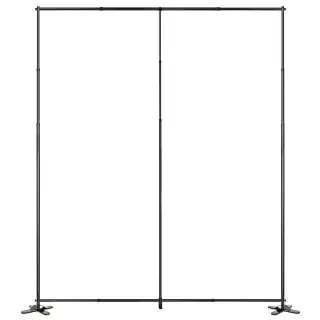
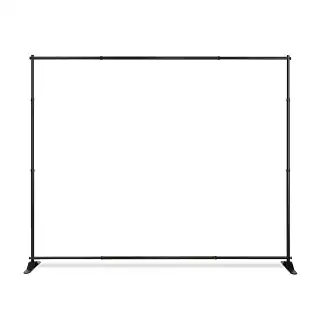
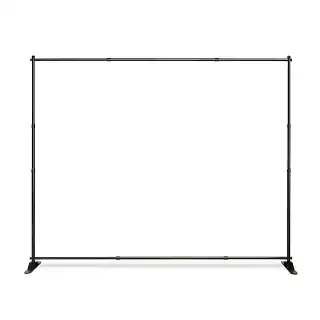
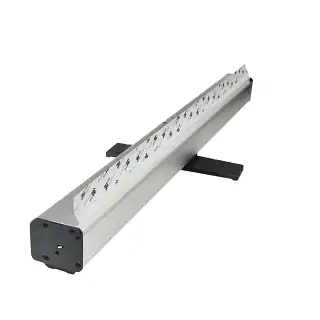
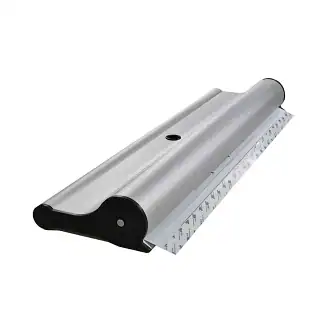
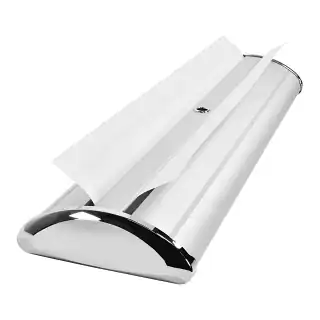
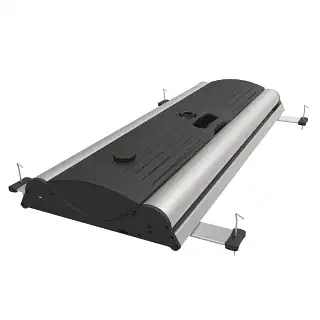
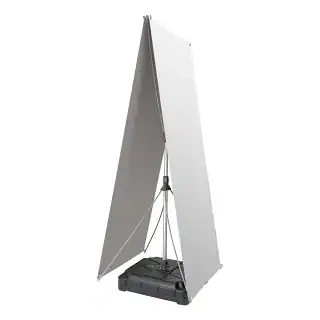
Quick Setup Systems: Modern exhibitors no longer need a large crew for installation. The current trend focuses on “tool-less” kits, where components snap together using spring-loaded buttons or magnetic connectors. Collapsible frames can expand from a small suitcase into a full 10-foot backwall in minutes. These lightweight constructions significantly reduce drayage costs and allow smaller teams to manage professional-grade setups with minimal stress.
Easy Transport & Storage:
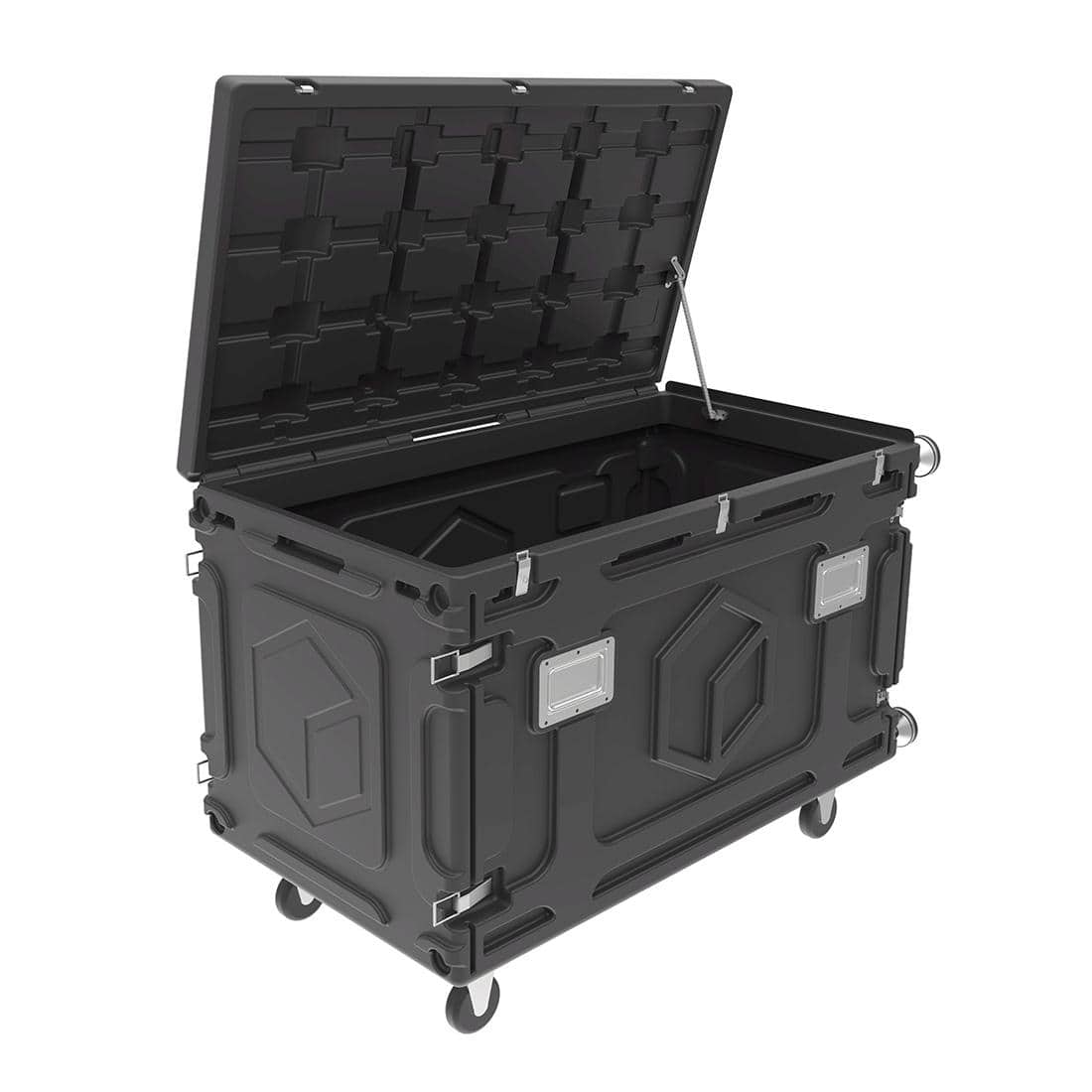
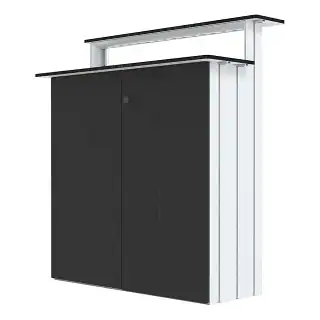
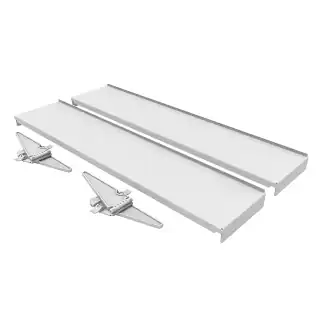
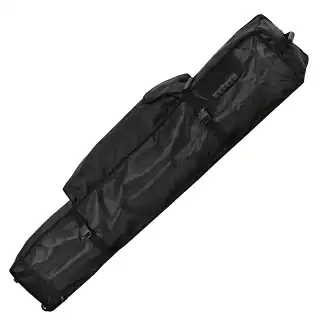
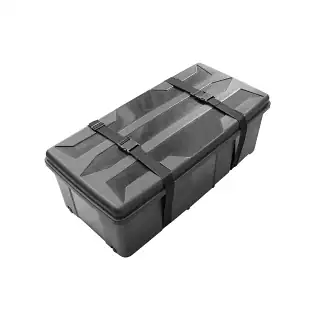
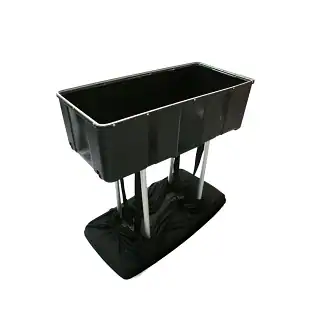
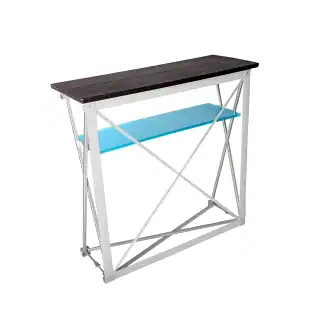
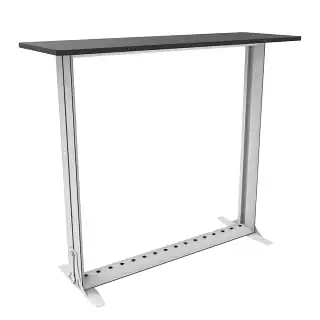
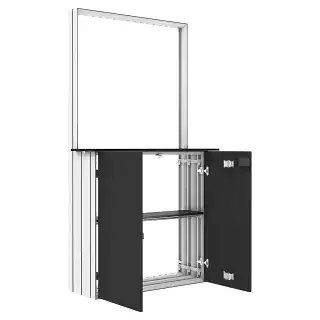
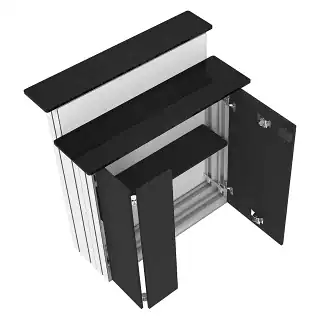
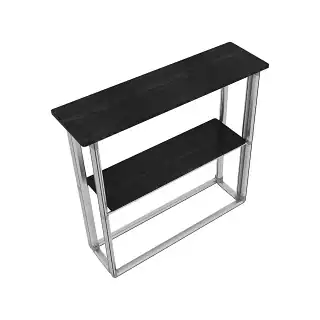
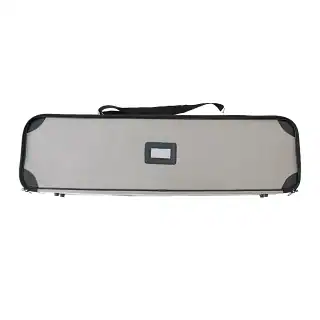
Logistics have become a primary design consideration. Most of the latest display products are engineered to fit into standardized, rotomolded wheeled cases. These cases are not just for transport; many are designed to convert into functional reception counters or podiums during the show. This dual-purpose design reduces the amount of empty crate storage needed and keeps the booth organized and efficient from start to finish.
Display Products for Interactive Engagement:
Technology-Driven Features:
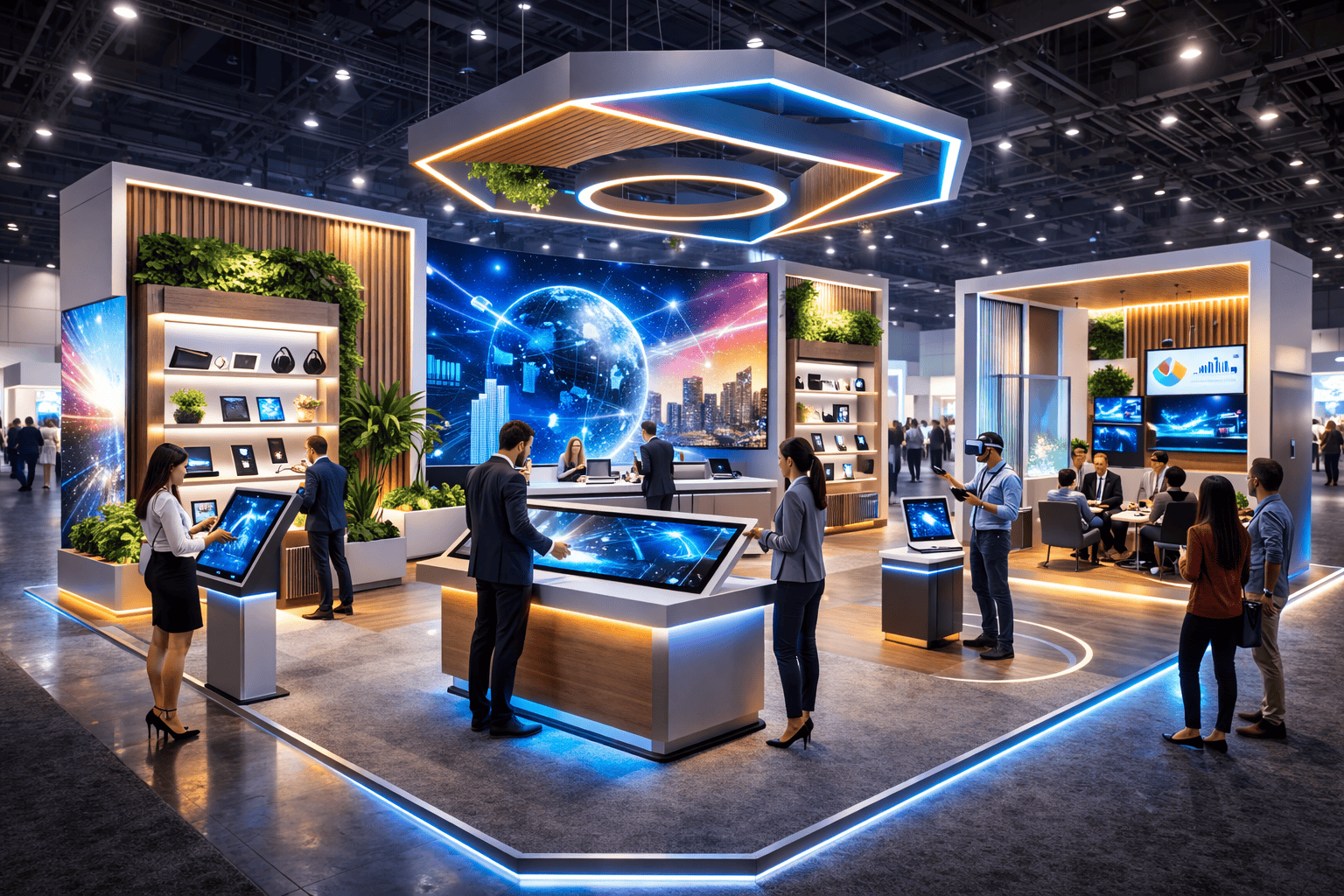
The boundary between physical and digital is blurring. New display units come with pre-configured mounts for large-format touchscreens and specialized zones for VR/AR demonstrations. These features allow exhibitors to showcase large-scale machinery or complex software in a small physical footprint, using digital overlays to explain intricate details that a static graphic simply cannot convey. Investing in latest display products enables a more interactive and engaging attendee experience.
Visitor Interaction Zones:
Engagement is maximized through the use of dedicated interaction zones. This includes modular sampling tables and digital kiosks where visitors can self-navigate through product catalogs. By creating these “micro-environments” within the booth, you provide a low-pressure way for introverted attendees to engage with your setup before a sales representative steps in to help.
Choosing the Right Display Product for Your Booth:
Align with Marketing Goals:
Your selection should mirror your primary objective. If you are focused on brand awareness, invest in high-visibility items like 16-foot towers or backlit hanging signs. For lead generation, prioritize integrated kiosks with scanning technology. If your goal is a deep-dive product demo, look for displays that offer ample counter space and integrated monitor support to facilitate long-form presentations.
Optimize for Booth Space:
Size matters, but versatility matters more. For small 10×10 booths, a single, high-impact backlit wall is often more effective than multiple small banners. For larger footprints, use modular panels to create distinct “rooms” or “theaters.” Choosing the latest display products that are scalable ensures that your 10-foot backwall can grow into a 20-foot island display as your marketing budget and space requirements expand.
Enhancing Visitor Experience with Display Products:
Visual Storytelling:
A booth should lead a visitor through a narrative. Use graphics and signage to present a problem, a solution, and a call to action. Strategic use of large-scale environmental graphics can transport a visitor from a noisy convention hall into a serene “exhibit world,” using cohesive imagery and lighting to set a specific emotional tone.
Interactive Elements:
Beyond looking at screens, visitors want to participate. Incorporating polling stations, digital games, or live demonstration stages into your display setup creates a sense of theater. These elements provide a reason for people to linger, increasing dwell time and providing staff with more opportunities to initiate meaningful conversations.
Budget Planning for Display Products:
Cost-Effectiveness Analysis:
Budgeting is about more than the initial invoice. Prioritize high-ROI products that reduce ongoing costs. A lightweight fabric display may cost more than a vinyl one, but the savings in shipping and labor over three shows often make it the more economical choice in the long run.
Long-Term Investment Planning:
Look for durability. High-quality aluminum frames can last for a decade, requiring only inexpensive graphic swaps to keep the look fresh. By investing in latest display products, you can allocate more of your annual budget to new technology or better booth locations rather than constantly replacing broken or outdated gear.
Future-Proofing Your Booth with Latest Products:
Anticipating Trends: The next wave of innovation includes AI-powered engagement sensors that track foot traffic and dwell time within your booth. By choosing modular systems now, you ensure infrastructure is ready for future tech upgrades, keeping your exhibit at the cutting edge of the industry.
Sustainability & Eco-Friendly Materials: Eco-consciousness is a major trend in the latest display products. More exhibitors are opting for frames made from recycled aluminum and fabrics derived from post-consumer plastics. These reusable and recyclable options reduce environmental impact and appeal to modern attendee values.









 5101 Commerce Dr., Baldwin Park, CA 91706
 ExhibitorLive 2026 , Mar 30-April 1, Tampa , FL , Booth #237