


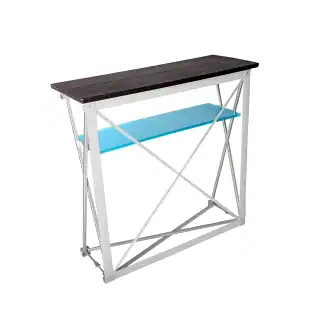
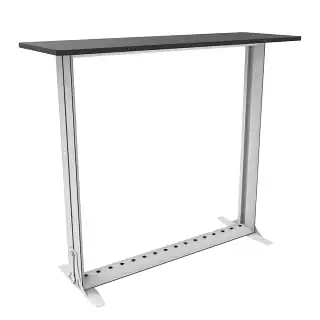
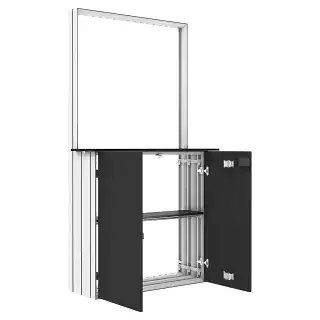
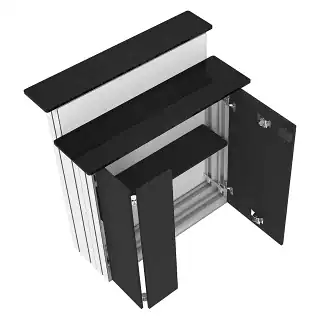
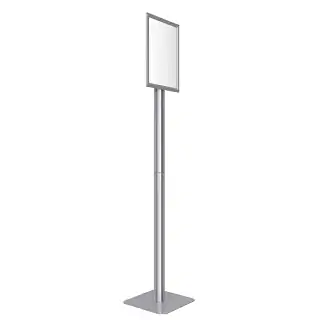
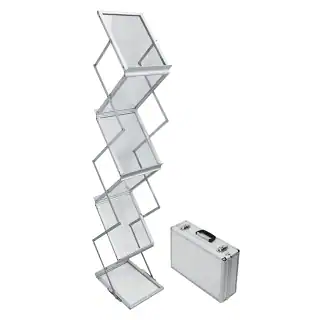
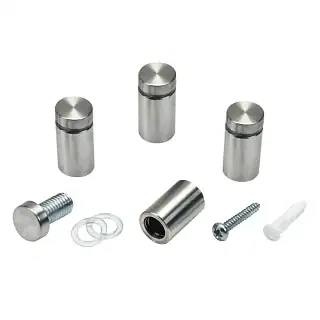
Why New Trade Show Booth Products Matter:
The trade show floor is a battlefield for attention, and the weapons of choice are evolving. Staying updated with the latest booth products is essential for maintaining a competitive edge. Brand perception is heavily influenced by your physical presence; a modern, sleek booth signals a modern, sleek company. Attendees now crave “instagrammable” moments and interactive experiences that older booth styles cannot support. New products also reduce exhibiting costs with lighter weights and faster assembly, letting you reallocate your budget to high-impact marketing activities and lead generation.
Innovative Features in Modern Booth Products:
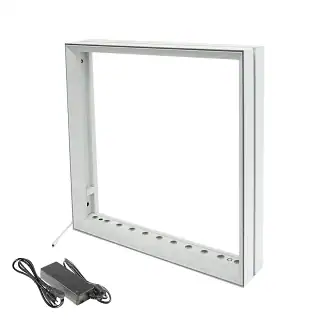
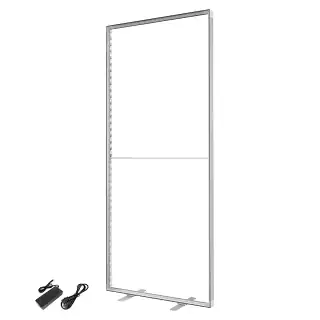
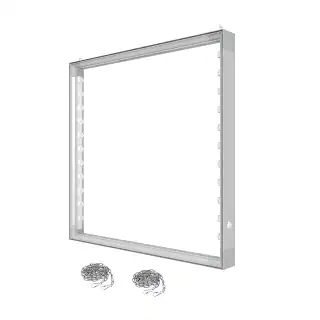
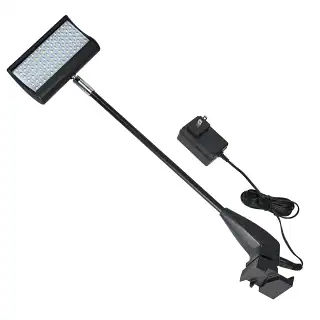
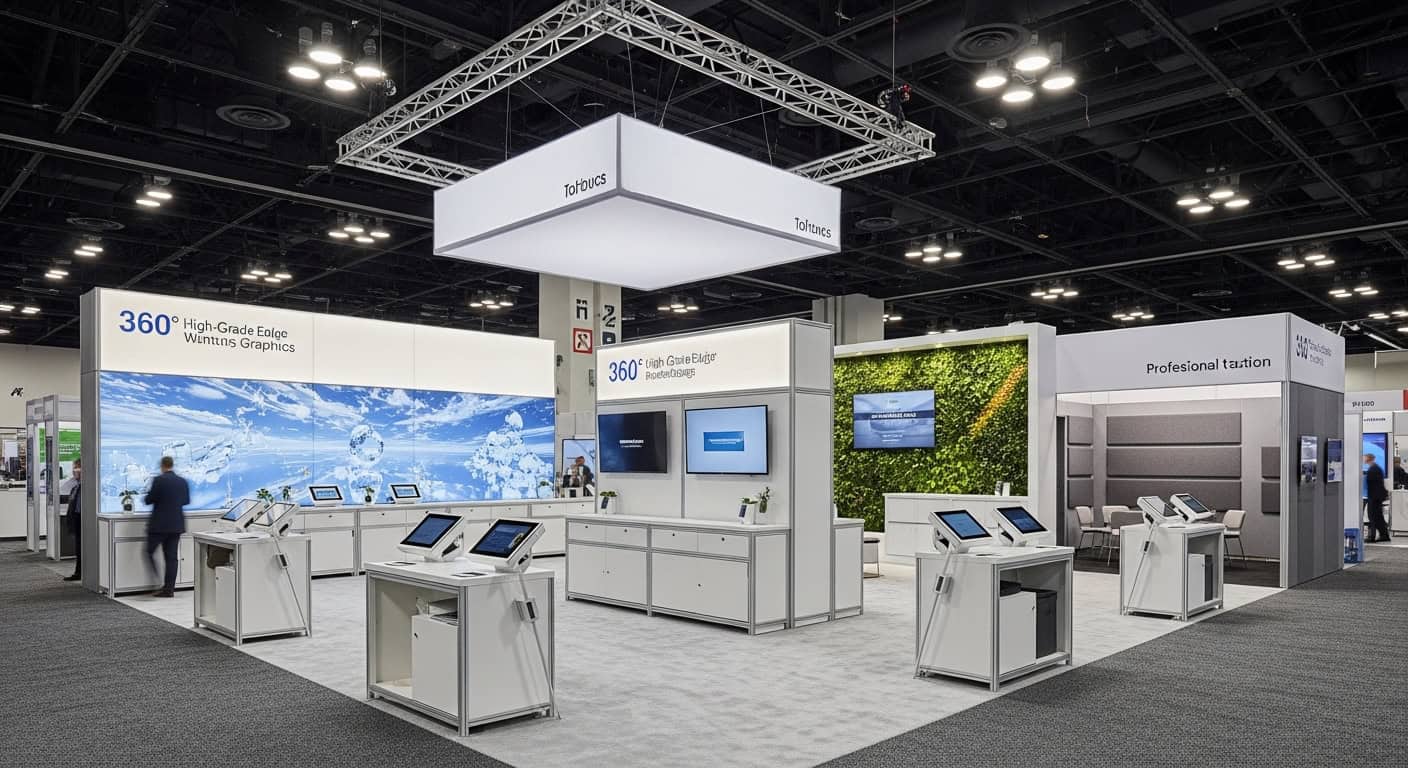
Today’s booth products combine aesthetics and utility. One key innovation is 360-degree illumination. Backlit systems use internal LED ladders to eliminate hot spots, ensuring your graphics glow consistently and vibrantly.
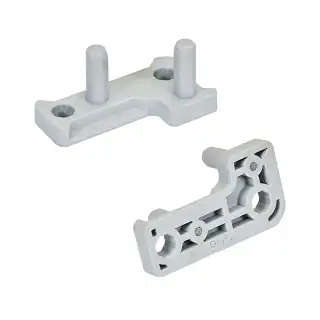
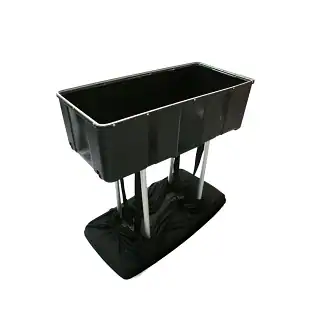
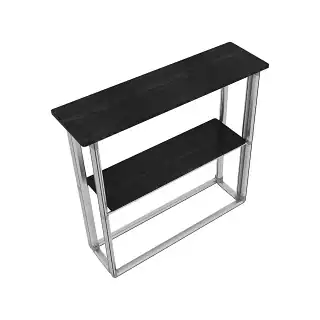
Hidden tech integration is another breakthrough. Modern counters and walls feature wireless charging pads, recessed monitor mounts, and internal cable management to keep the space neat. “Smart” fabrics are wrinkle-resistant and antimicrobial—a feature gaining popularity. Tool-less connection systems replace complex hardware, allowing small teams to assemble large exhibits using magnetic or push-fit components.
Materials and Modular Designs:
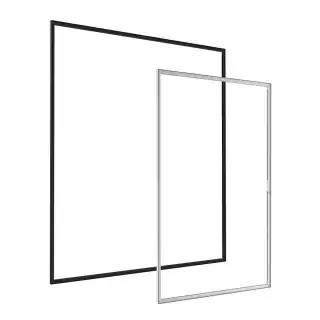
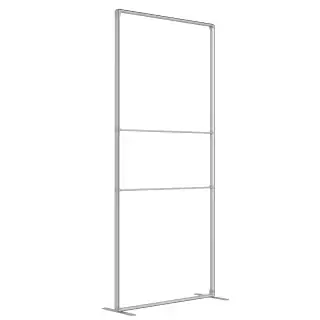
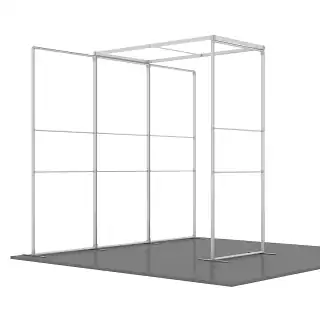
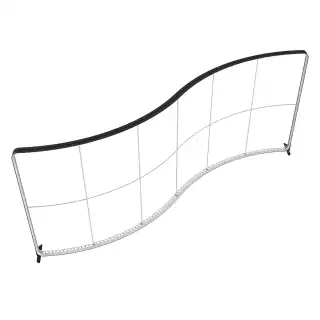
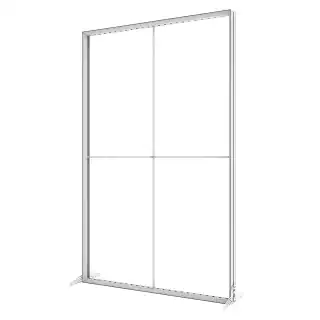
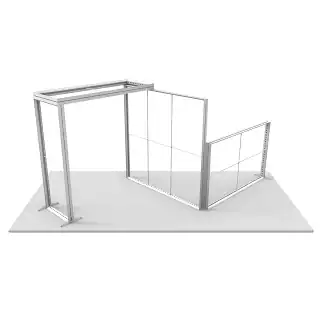
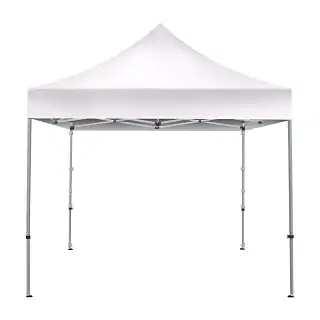
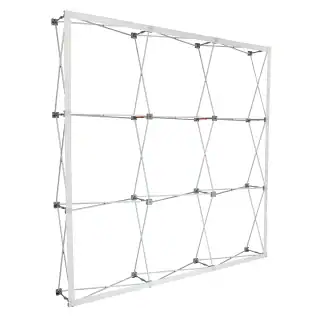
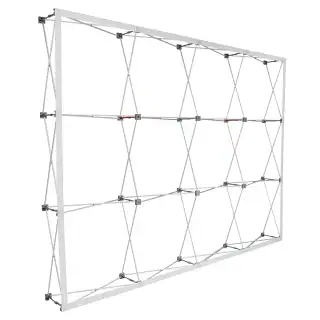
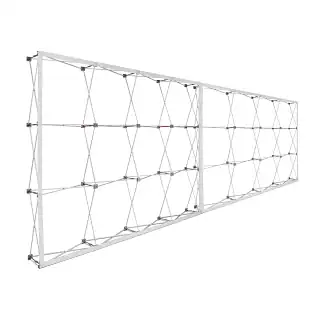
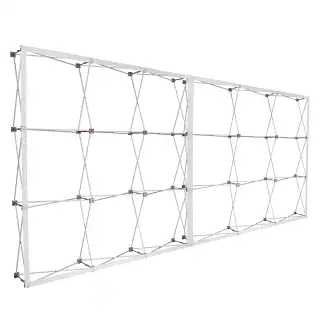
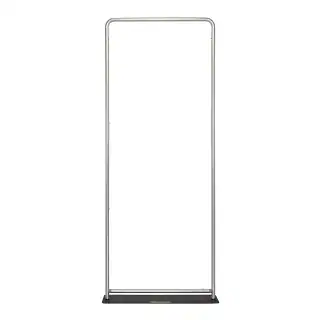
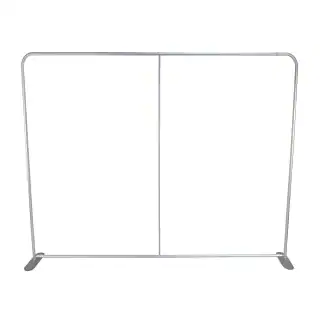
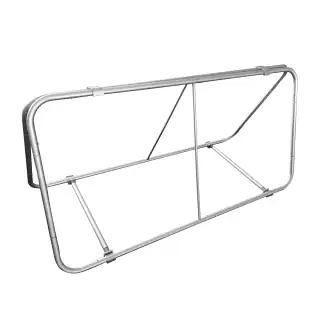
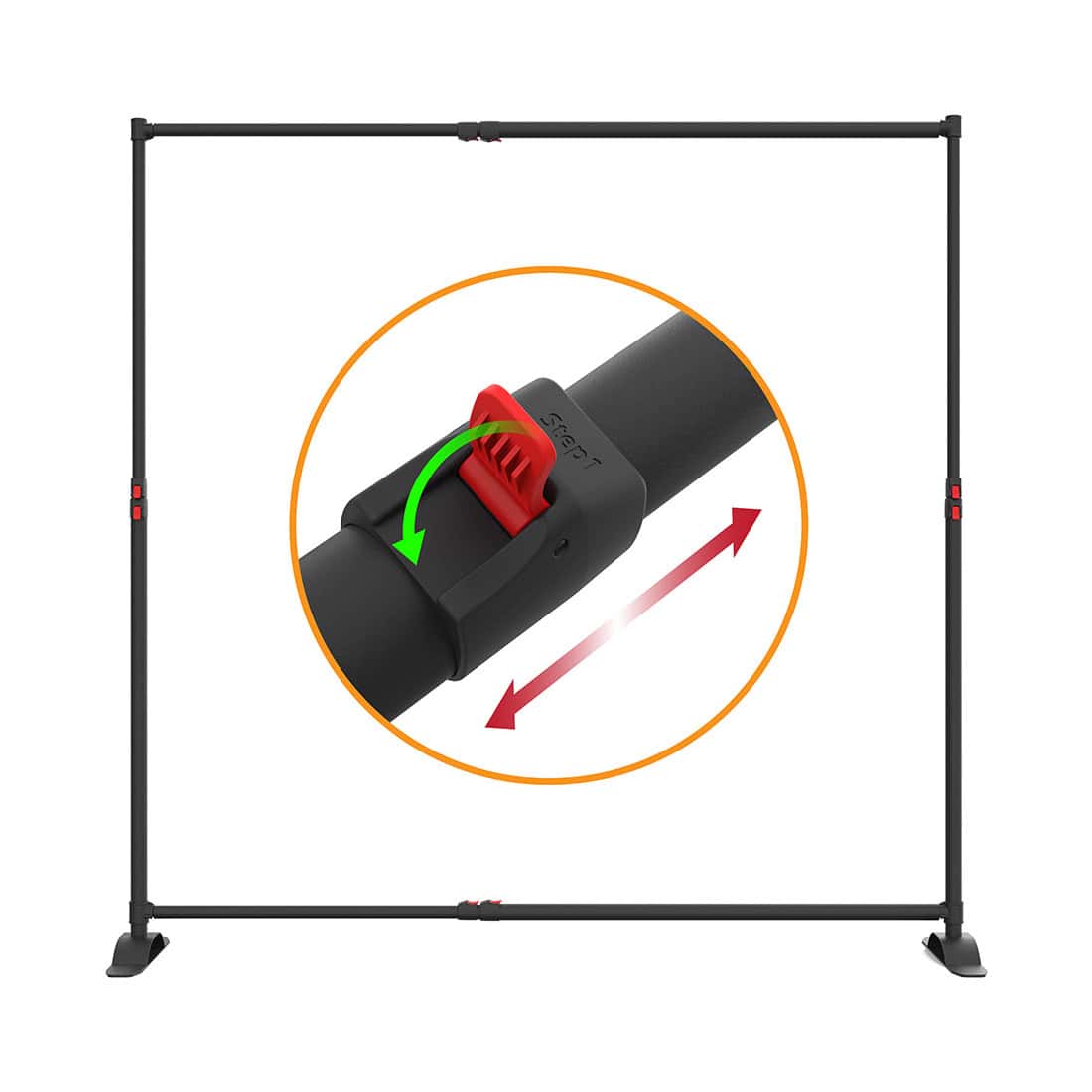
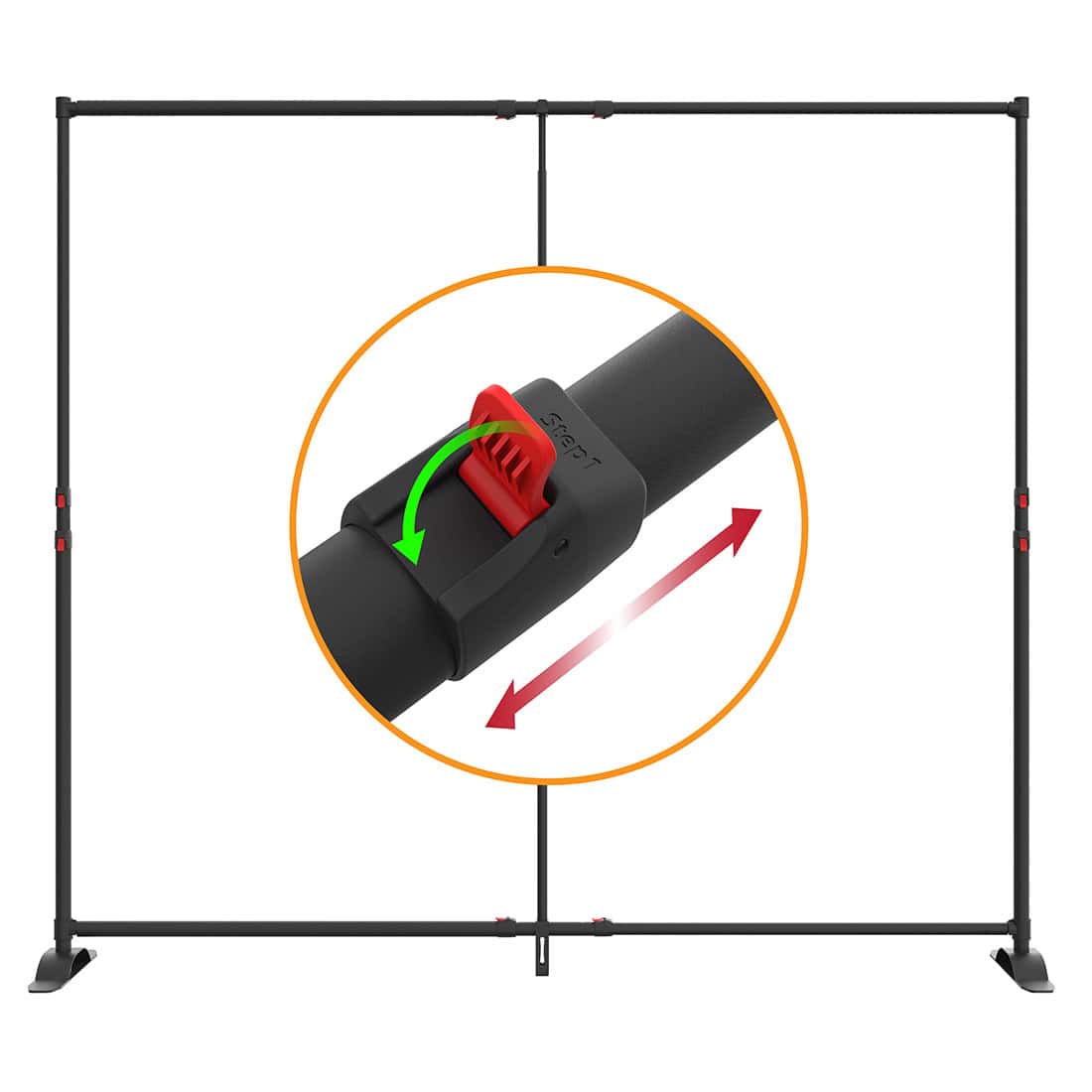
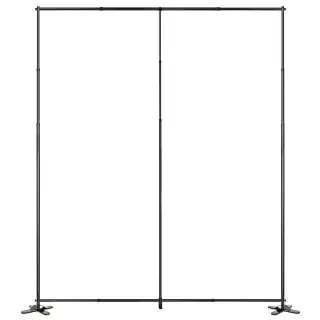
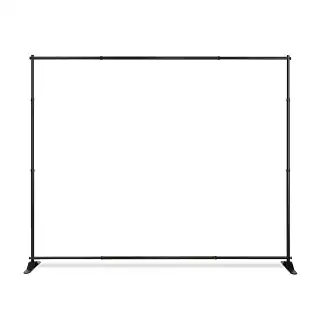
Modularity has revolutionized booth planning. Most new trade show booth products use high-grade aluminum extrusion frames as the skeleton for various attachments. A single investment scales up or down: a 10-foot backwall for a local event can fit into a 20-foot island display for a national convention.
Tension fabric or Silicone Edge Graphics (SEG) are now standard materials. These fabrics allow massive, seamless visuals that are easy to swap between shows. They are lightweight, foldable, and durable, providing a high-end look without heavy wooden panels.
Choosing the Right Products for Your Booth:
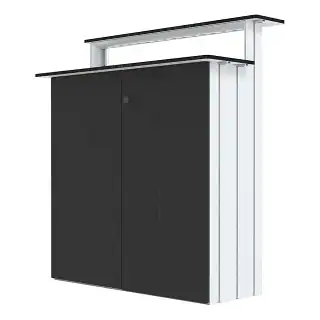
Selection should match your Return on Objective (ROO). For high-volume lead generation, prioritize products that facilitate movement, such as open-concept counters and digital kiosks. For premium launches, use high-impact visual products like backlit towers or overhead hanging signs.
Logistics matter too. Rotating staff with varying technical skills benefit from “pop-up” modular kits. For flagship shows hosting VIP meetings, modular walls with acoustic-dampening provide privacy and a professional atmosphere for high-level deals.
Maximizing Engagement with New Booth Products:
Having the right products is only half the battle; usage determines success. To maximize engagement, create a visitor “journey”:
- Attraction: Use high-level hanging signs to grab attention from across the hall.
- Interaction: Integrated tablet mounts and touchscreens let visitors explore independently.
- Immersion: Use 3D textures or “living walls” with greenery for a sensory contrast to the convention hall.
Place interactive kiosks at the booth perimeter to create low-pressure entry points. Visitors then move toward central demo stations for deeper conversations. Investing in new trade show booth products actively engages attendees and encourages repeat visits.
Budgeting & ROI for Booth Investments:
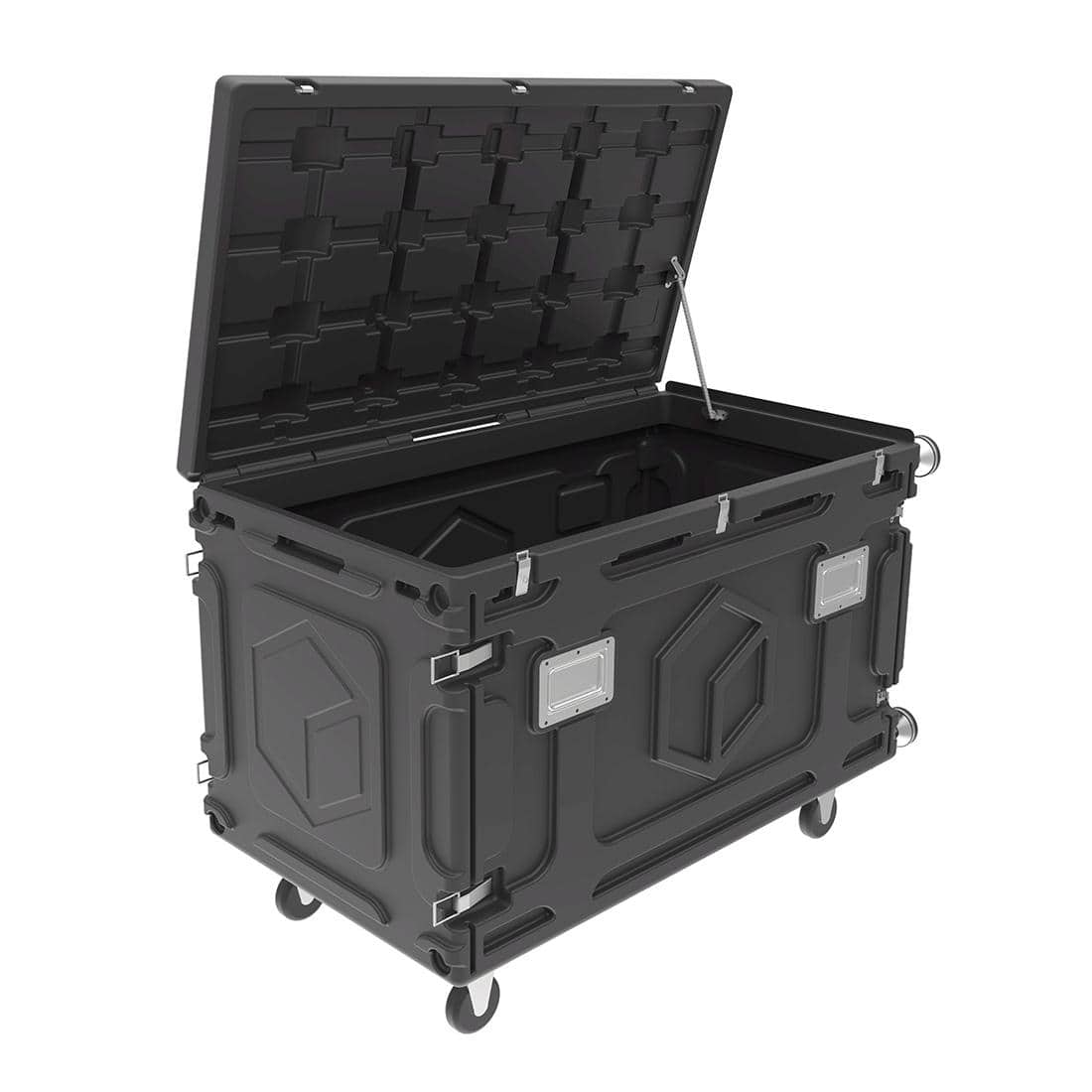
Evaluate the Total Cost of Ownership (TCO) rather than the purchase price alone. Lightweight modular systems may cost more upfront than basic banners but reduce recurring expenses for drayage, shipping, and storage.
Modular products provide better ROI. You can “reskin” them with new fabric graphics at a fraction of the cost of a new booth. This keeps your branding and product launches current for years and ensures your hardware investment pays off across multiple events.
Future Trends in Trade Show Booth Products:
Exhibition hardware is moving toward sustainability and intelligence. Frames made from 100% recycled aluminum and fabrics derived from ocean plastics reflect environmental commitment. “Smart booths” with heat-mapping sensors will track traffic within your booth. Adopting visually stunning, data-driven hardware allows real-time optimization of the attendee experience.









 5101 Commerce Dr., Baldwin Park, CA 91706
 ExhibitorLive 2026 , Mar 30-April 1, Tampa , FL , Booth #237