


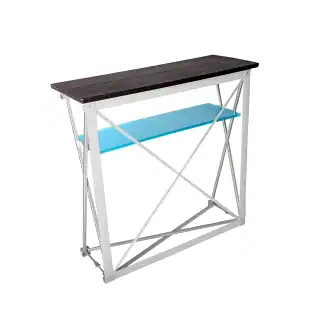
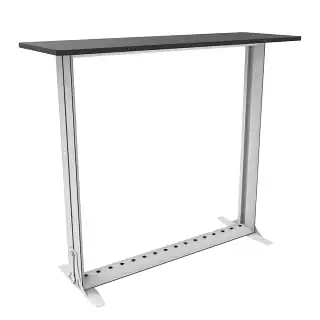
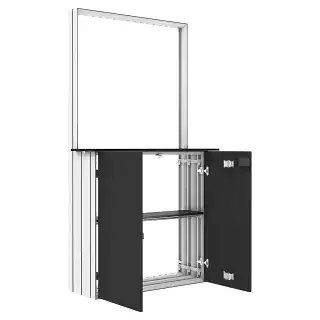
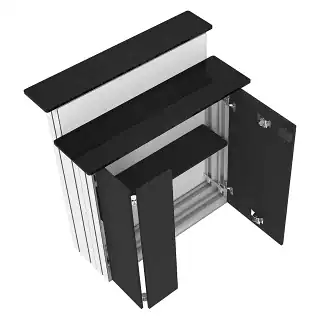
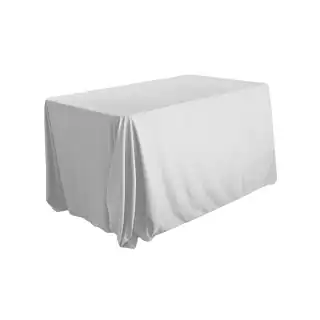
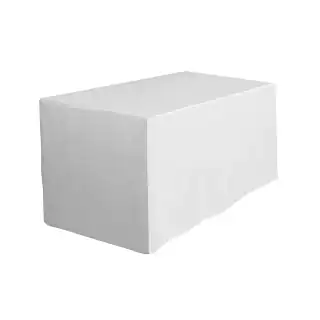
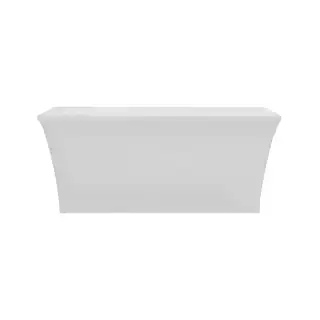
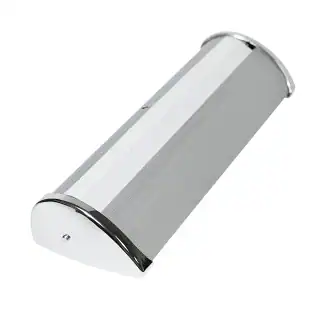
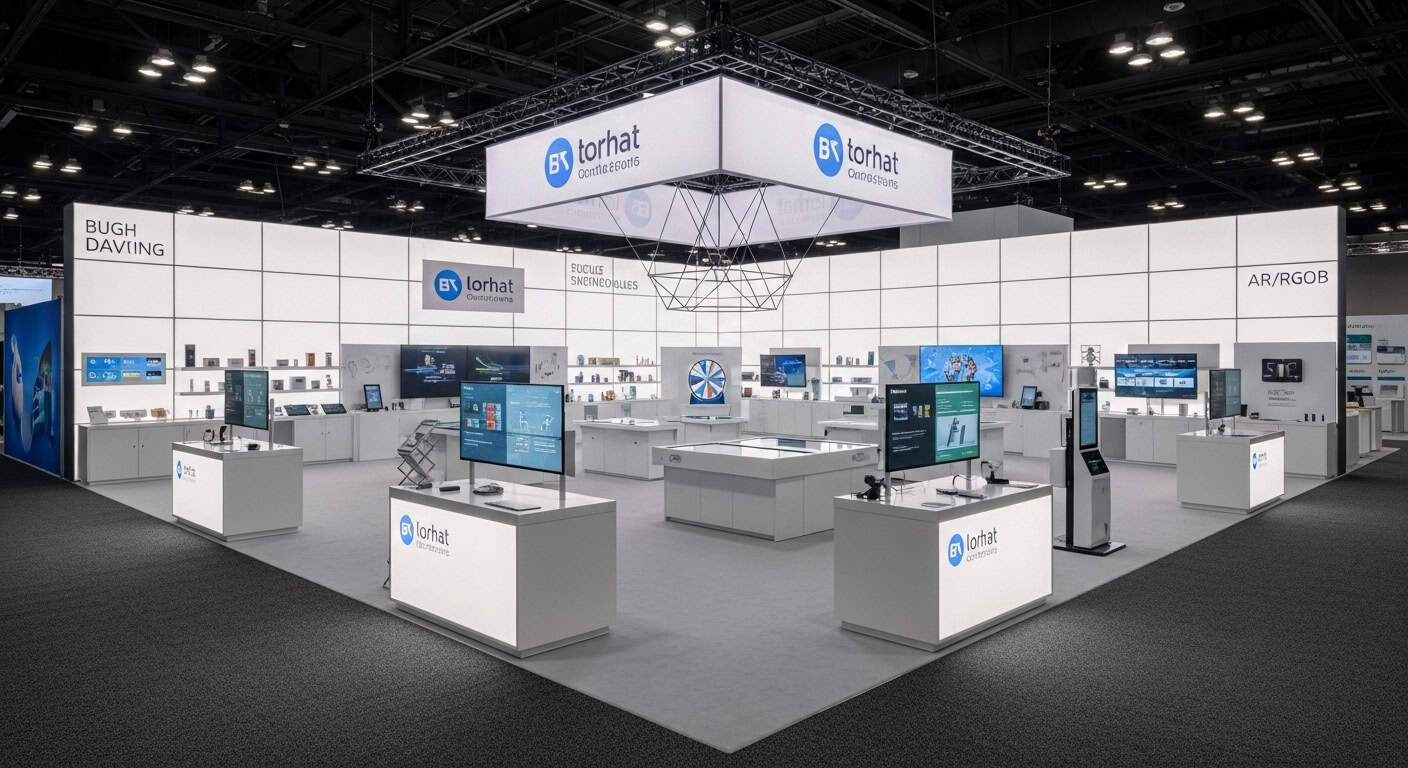
Why Event Marketing Gear Matters:
Boosting Visitor Interaction:
Modern marketing gear is the primary catalyst for shifting an attendee from a passive observer to an active participant. Interactive gear—such as touch-sensitive surfaces or motion-activated displays—acts as a “pattern interrupt” in a crowded hall, compelling visitors to stop and engage.
Supporting Booth Visibility:
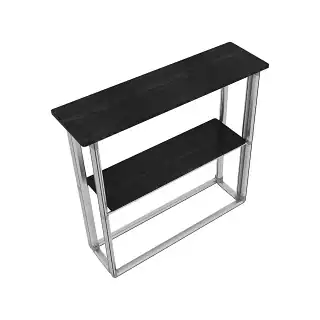
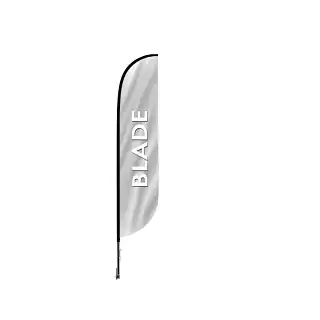
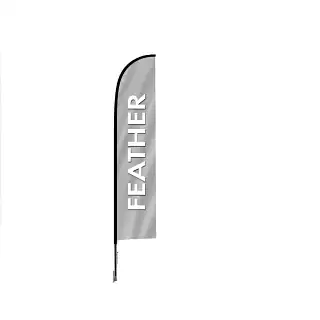
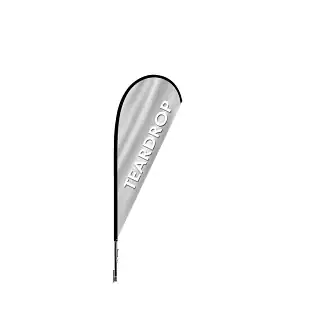
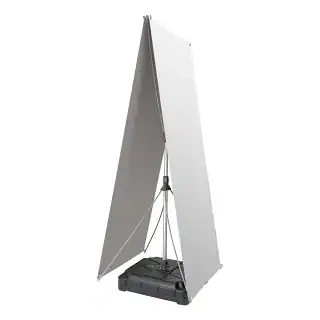
Foundational elements like high-tension fabric signage, sleek counters, and vibrant overhead banners serve as visual beacons. This gear ensures your messaging is visible from a distance, establishing professional authority before a single conversation begins.
Features of New Arrivals:
Innovative Materials & Construction:
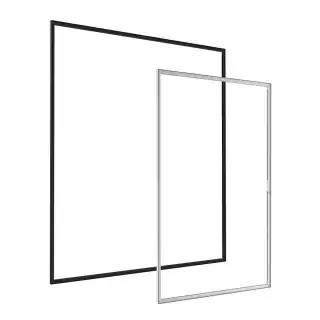
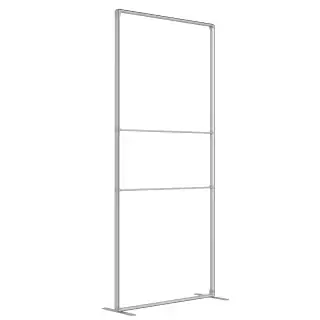
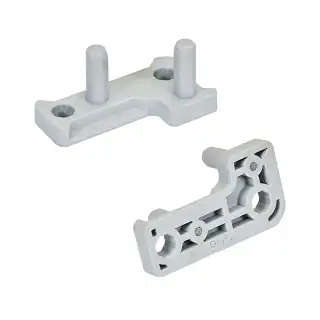
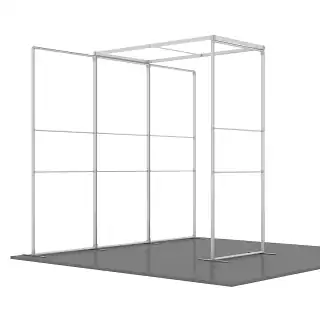
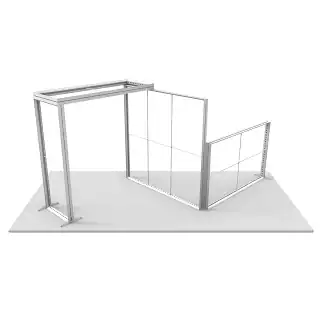
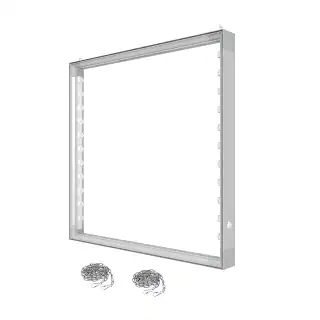
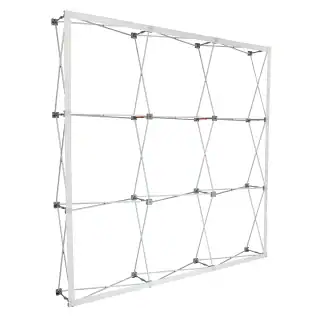
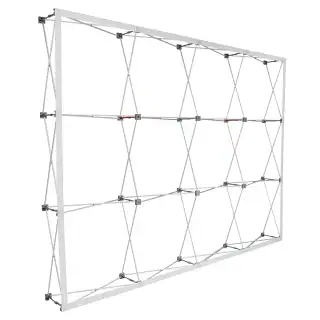
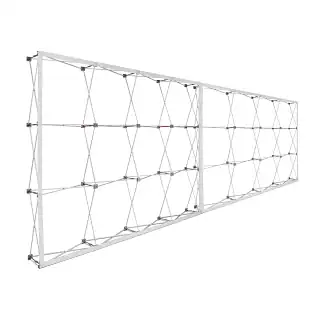
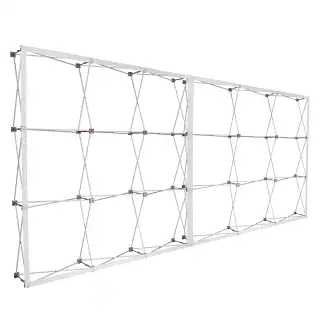
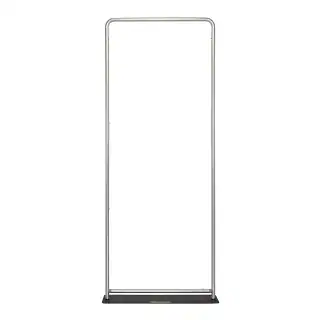
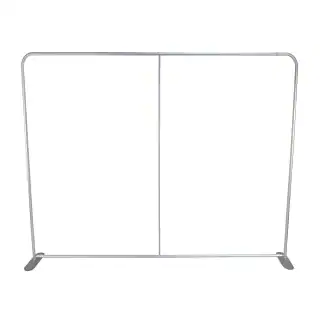
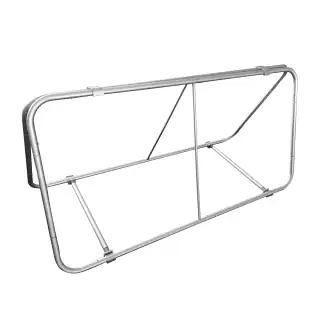
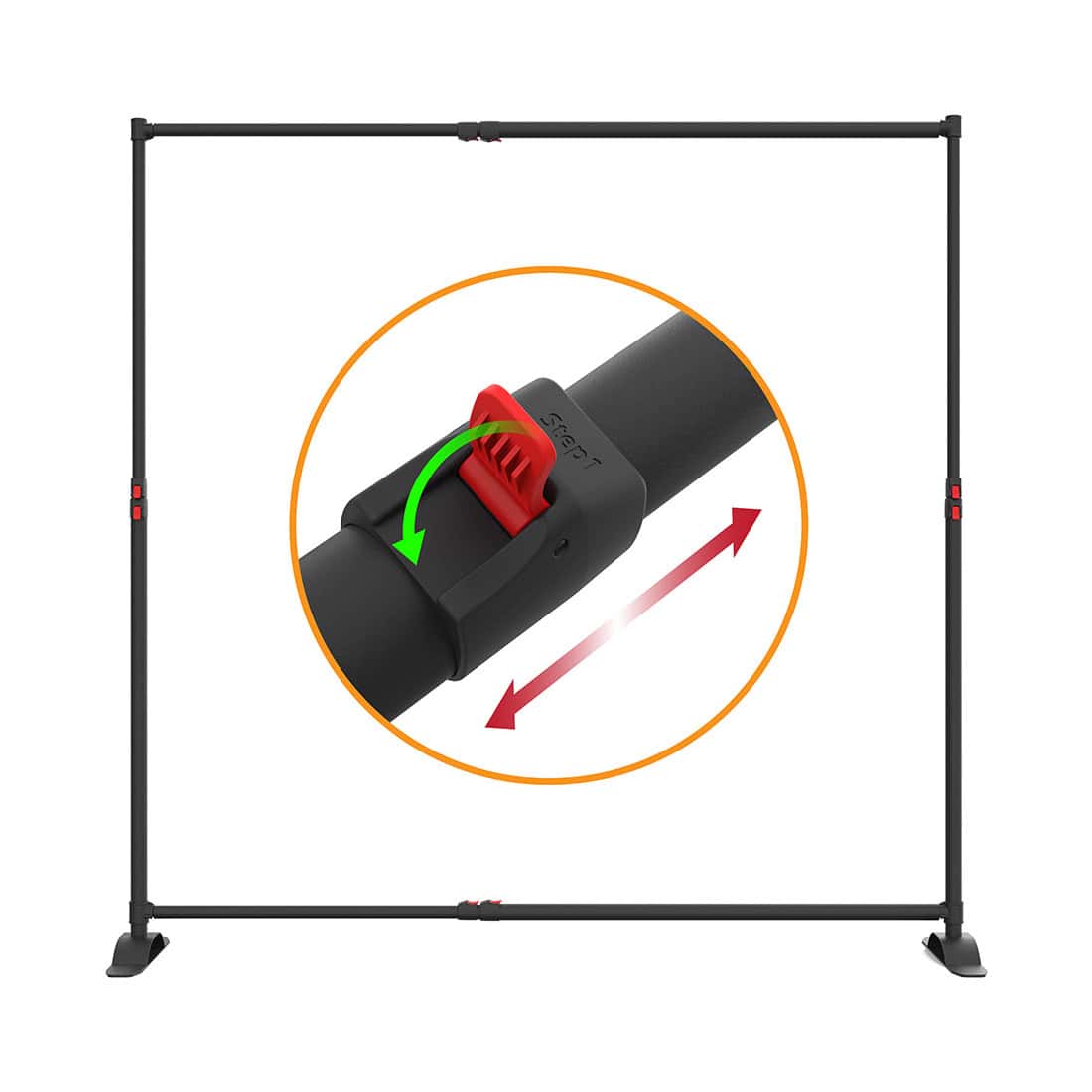
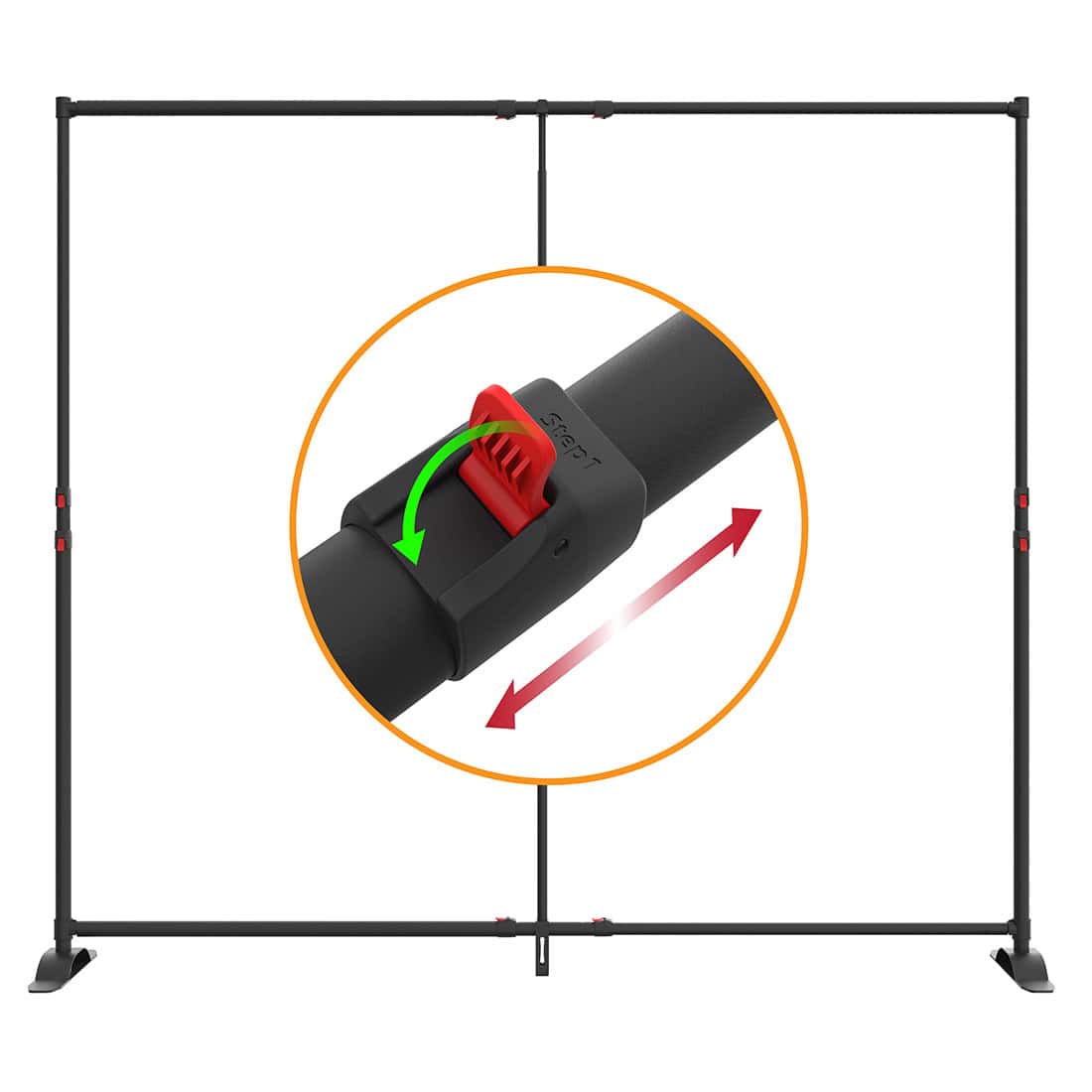
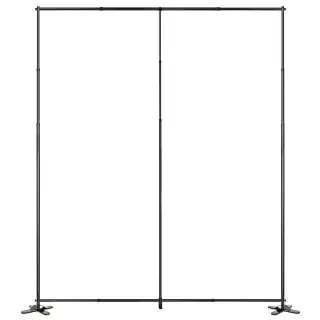
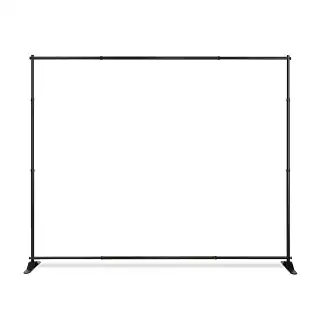
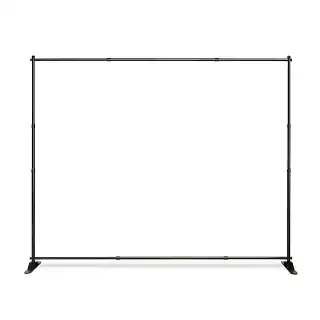
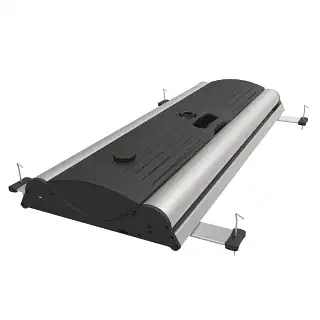
The latest generation of booth hardware focuses heavily on the “traveling exhibitor.” We see a surge in ultra-lightweight carbon fiber frames and recycled aluminum structures that offer incredible durability without heavy shipping costs. Modular designs are now standard, allowing a single kit to be reconfigured from a small tabletop display into a full-scale backwall, providing ultimate flexibility for various venue sizes.
Technology-Enhanced Gear:
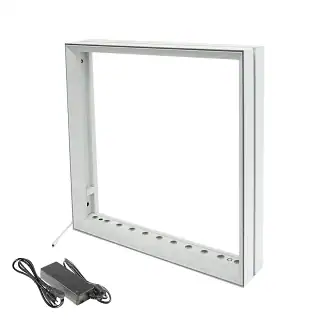
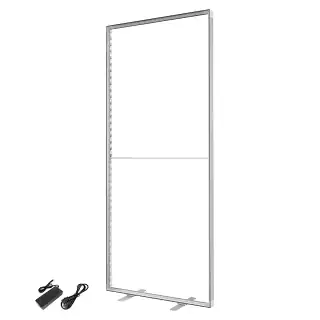
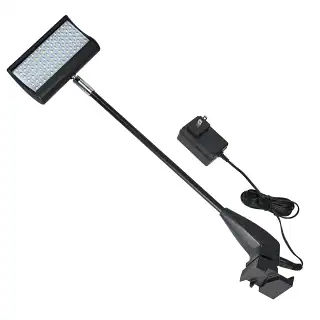
Technology is now baked directly into the hardware. New arrivals feature integrated LED channels for glow effects, built-in charging ports for visitor convenience, and universal brackets for tablets and ultra-wide monitors. These enhancements allow seamless integration of AR/VR stations and AI-driven kiosks that can qualify leads automatically through interactive surveys. Using event marketing gear new arrivals allows exhibitors to create highly interactive, tech-driven experiences.
Integrating Gear into Booths:
Placement & Flow Optimization:
Strategic placement is vital for a high-performing booth. Marketing gear should be arranged to create a natural “funnel.” Entrances should remain open with low-profile signage, while the center houses the main attraction. Event marketing gear new arrivals, such as modular seating with integrated tech, are perfect for creating “demo zones” toward the rear where deeper conversations can occur without blocking the main aisles.
Cohesive Booth Design:
Consistency is key to attendee recall. Every piece of gear, from the largest backdrop to the smallest literature rack, must adhere to a unified color palette and typography. Modern printing techniques on tension fabrics ensure colors are vibrant and matched perfectly across different media, creating a polished, high-end look.
Enhancing Visitor Interaction:
Demo Stations & Sampling Areas:
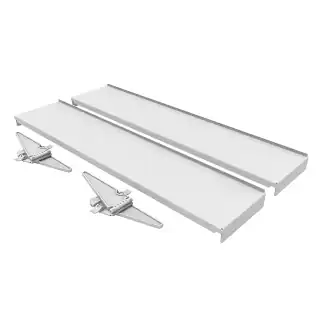
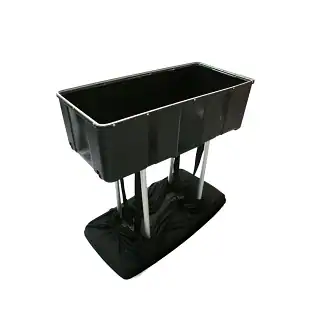
Hands-on experience remains the most effective way to build product trust. New gear arrivals include modular demo stations that can be customized with specific shelving, lighting, and power outlets to showcase physical products. These zones allow visitors to touch, feel, and test offerings in a controlled, interactive environment.
Gamification & Engagement Tools:
Gamification is a powerful tool for increasing dwell time. Using interactive screens and digital prize wheels integrated into your display gear encourages friendly competition. These tools attract crowds and provide a natural way to collect contact information in exchange for participation.
Choosing Gear Based on Event Goals:
Awareness & Lead Generation:
If your primary goal is to cast a wide net, prioritize high-visibility gear. Large-scale backlit towers and rotating overhead signs are essential for driving traffic. Combine these with rapid lead-capture kiosks positioned at the booth perimeter to catch busy attendees who may not have time for a full presentation.
Conversion & Relationship Building:
For events focused on closing deals or deep technical consultations, the gear should support intimacy. Invest in semi-private meeting modules or acoustic-dampening partitions. Using event marketing gear new arrivals like smart-glass partitions can provide privacy for high-level meetings while maintaining a modern, open aesthetic.
Budget Considerations:
Cost vs Impact:
When working with a limited budget, focus on “anchor pieces”—items that provide the most visual impact for the price. A high-quality backlit backwall often yields a better return than ten smaller, non-illuminated banners.
Planning for Multiple Events:
Maximize ROI by choosing reusable, modular gear. High-quality frames may cost more upfront, but their ability to be reskinned with new graphics for different campaigns makes them far more cost-effective over a three-year event cycle.
Trends in Event Marketing Gear:
Interactive & Tech-Driven Solutions: The trend toward “phygital” (physical + digital) experiences is accelerating. We are seeing more gear that utilizes projection mapping on fabric surfaces and AI-powered kiosks that use facial recognition to tailor content to the demographic of the attendee.
Portable and Sustainable Options: Sustainability is no longer optional. The newest marketing gear utilizes 100% biodegradable fabrics and fully recyclable hardware. These portable, eco-friendly solutions allow for a cutting-edge exhibition experience while reducing environmental impact.









 5101 Commerce Dr., Baldwin Park, CA 91706
 ExhibitorLive 2026 , Mar 30-April 1, Tampa , FL , Booth #237