


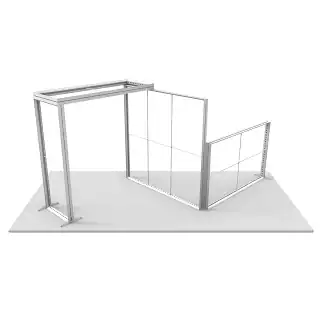
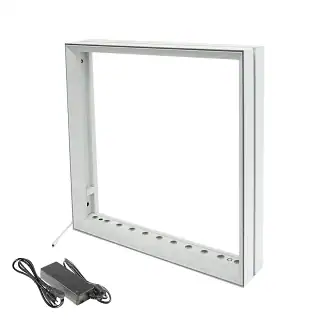
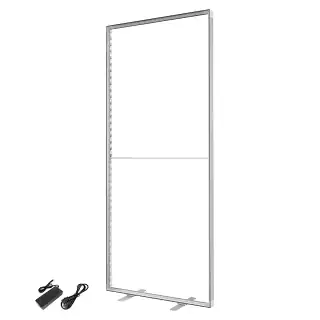


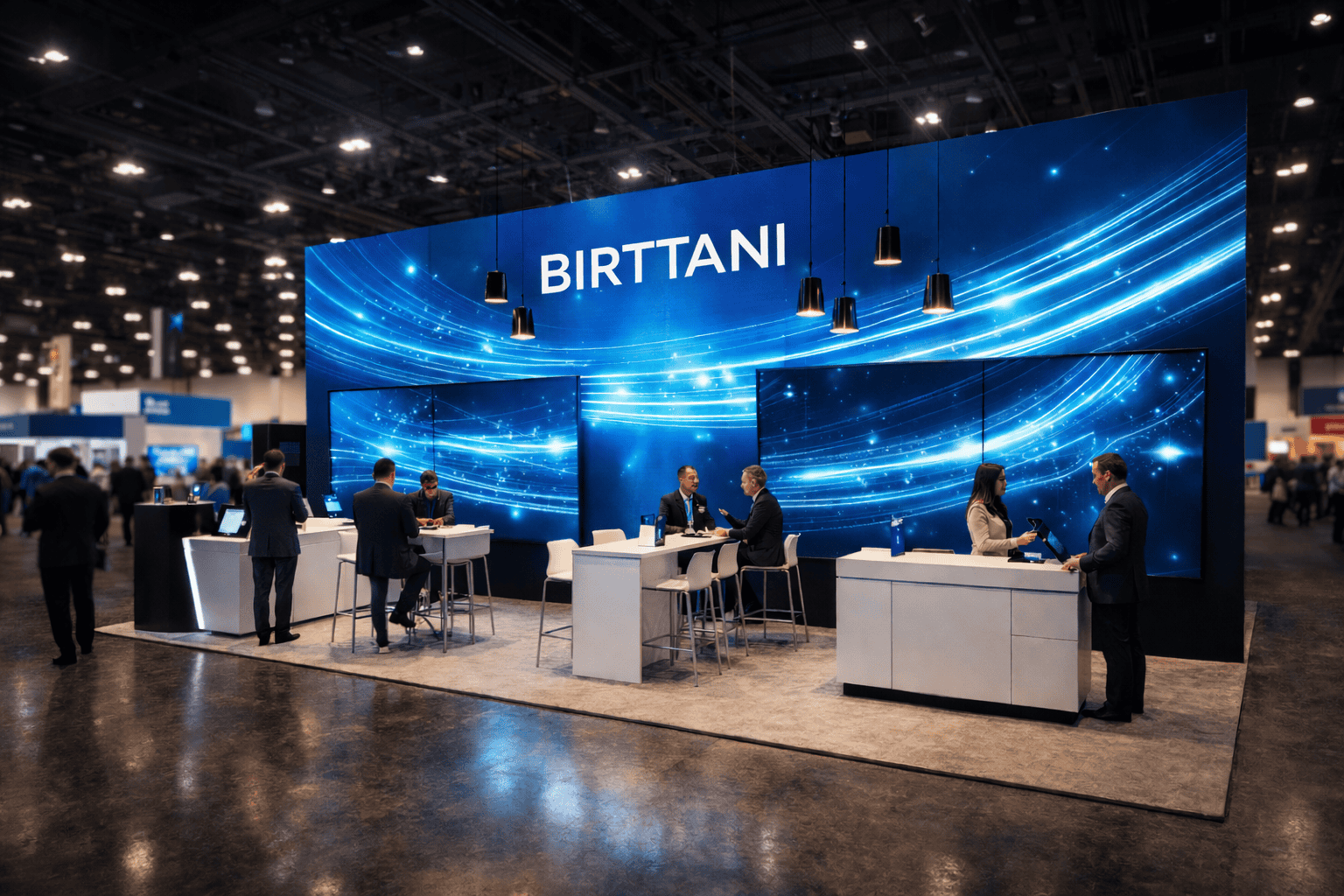
Large Inline Booth Displays must do more than fill space. They must command attention immediately. In a competitive exhibition hall, visibility drives performance. If your stand fails to interrupt aisle traffic, it will fail to generate quality leads.
Many brands assume that larger space guarantees better results. However, size without strategy produces average outcomes. Instead, success comes from structure, lighting, layout, and message clarity working together.
1 Why Most Large Inline Booth Displays Underperform
First, many Large Inline Booth Displays lack a clear focal point. They display too many messages at once. As a result, visitors feel overwhelmed and continue walking.
Second, repetition across the aisle reduces impact. Inline stands often look similar. Therefore, without contrast, your stand disappears into the row.
To prevent this, create a visual interrupt. Use vertical height. Add lighting contrast. Introduce controlled motion. When attention stops, engagement begins.
2 Structural Planning for Large Inline Booth Displays
Before designing Large Inline Booth Displays, understand the physical limits. Inline spaces are bordered by neighbouring exhibitors. Consequently, side exposure is restricted.
Common configurations include:
- 20×20 space
- 20×30 space
- 20×40 space
Most venues allow heights between 8 and 12 feet. Therefore, vertical structure becomes essential. If height is not maximised, the display appears compressed and weak.
Height improves long-distance recognition. Recognition increases traffic. Traffic increases opportunity.
3 Lighting Strategy for Large Inline Booth Displays
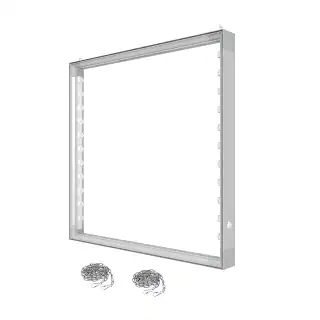
Flat graphic panels rarely dominate an exhibition hall. Instead, high-performing Large Inline Booth Displays use backlit fabric systems. These systems create depth and internal illumination.
In addition, strong LED lighting builds contrast against overhead hall lighting. This contrast enhances colour and sharpness.
Without illumination, graphics lose strength. With proper lighting, even simple designs appear premium. Lighting is not decoration. It is competitive leverage.
4 Digital Integration Within Large Inline Booth Displays
Motion captures attention quickly. Therefore, digital elements strengthen Large Inline Booth Displays when used correctly.
A single integrated video wall performs better than several small screens. One focal display concentrates attention. Multiple monitors divide it.
However, content must remain concise. Deliver the core message within 15 seconds. Exhibition visitors rarely pause for long explanations.
If your message feels complex, refine it. Clear communication improves retention.
5 Layout Decisions That Improve Conversion
Effective Large Inline Booth Displays feel open and inviting. They do not block entry with heavy counters or cluttered furniture.
The first five feet, often called the power zone, should remain clear. This open area reduces psychological resistance and encourages entry.
Your layout should achieve three objectives:
- Invite general foot traffic
- Guide visitors towards primary messaging
- Move qualified prospects into meeting areas
When movement feels natural, dwell time increases. Increased dwell time improves lead quality.
6 Branding Principles for Large Inline Booth Displays
You have approximately three seconds to capture attention. Therefore, your headline must communicate instantly.
Strong Large Inline Booth Displays follow clear branding rules:
- Bold typography readable from distance
- One dominant value proposition
- Minimal supporting text
- High contrast colour combinationsy.









 5101 Commerce Dr., Baldwin Park, CA 91706
 ExhibitorLive 2026 , Mar 30-April 1, Tampa , FL , Booth #237