


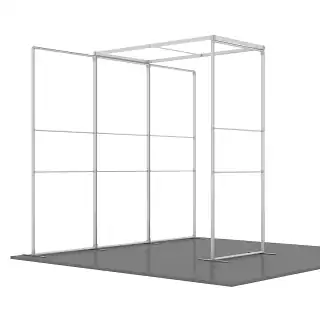
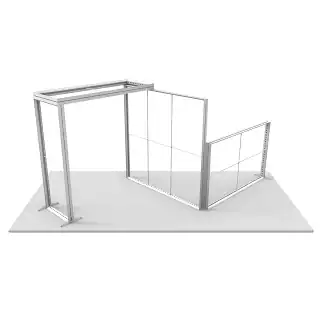
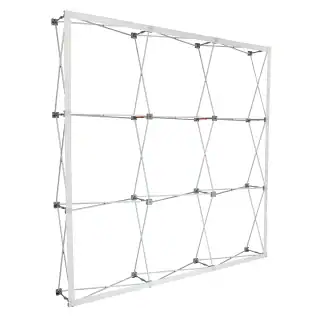
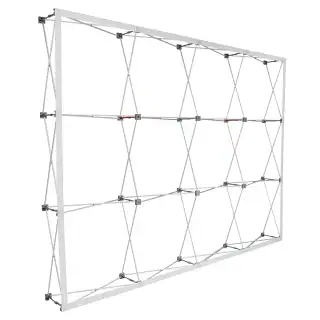
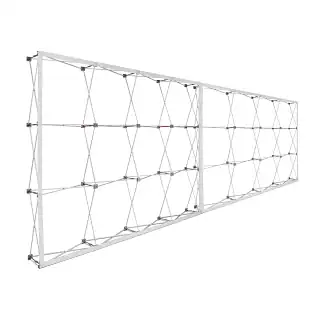
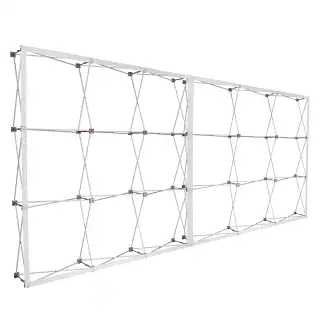
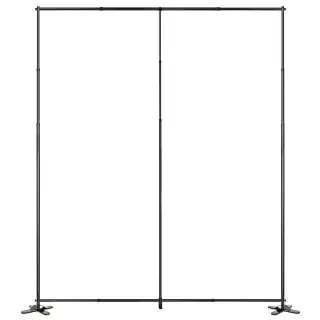
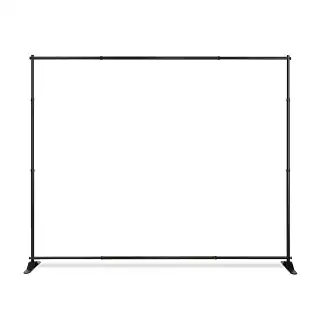
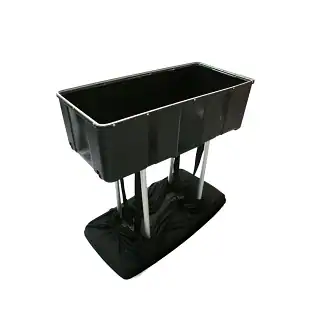
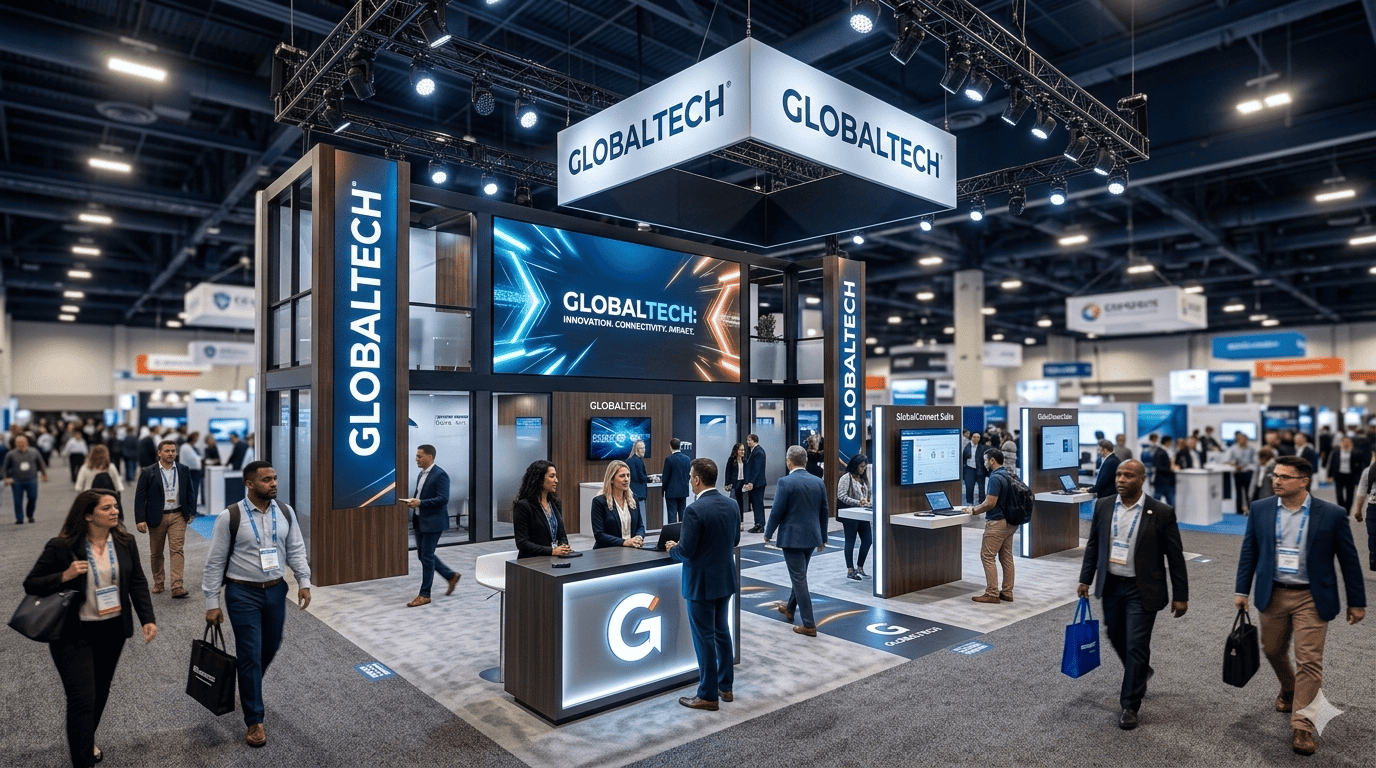
10×30 Exhibit Booths provide a powerful opportunity to control visibility, traffic flow, and brand authority on a crowded trade show floor. With 300 square feet of linear space, this footprint sits between compact inline displays and large island exhibits. That positioning creates a competitive advantage when engineered correctly. Without structure, however, a 30-foot layout can feel long, flat, and inefficient.
High-visibility brand presence is not created by size alone. It is created by movement control, vertical dominance, lighting contrast, and strategic zoning. This guide breaks down how to design a 10×30 booth that attracts attention, manages traffic, and converts engagement into measurable results.
1. Understand How Visitors Approach Long Booths
Trade show attendees rarely approach booths head-on. Most visitors move laterally along the aisle. This means the first 8 to 10 feet of your booth carry disproportionate importance.
Effective 10×30 Exhibit Booths use the front section to interrupt walking momentum. Large headlines, high-contrast color, and vertical elements create immediate visual disruption. Without that interruption, visitors continue walking.
The objective in this zone is simple: stop movement.
2. Engineer Controlled Entry Points
Long booths often suffer from uncontrolled entry. If furniture blocks the front, visitors hesitate. If the space feels too open without direction, traffic becomes chaotic.
To improve entry performance:
- Keep the first 3 feet clear of obstruction.
- Position one staff member slightly inside, not at the edge.
- Use flooring changes or angled graphics to guide inward movement.
Entry friction reduces dwell time. Smooth entry increases conversation probability.
3. Divide the Booth into Behavioral Zones
A 30-foot footprint must operate in layers. Without segmentation, the space becomes a visual tunnel.
Use a three-zone structure:
- Front Zone – Attraction and quick qualification.
- Middle Zone – Product interaction and education.
- Rear Zone – Conversion and sales discussions.
This layered approach mirrors buyer psychology. Casual visitors remain near the front. High-intent prospects move deeper into the space.
4. Use Vertical Authority to Increase Visibility
Horizontal width alone does not create dominance. Vertical presence does.
Effective strategies include:
- Tall backwalls placed toward the rear.
- Suspended signage where permitted.
- LED lighting towers for distance recognition.
Height signals investment and brand strength. It also improves visibility over neighboring inline booths.
5. Break the “Bowling Lane” Effect
One of the most common problems in 10×30 layouts is the straight-line visual effect. A continuous flat wall reduces depth perception and limits engagement energy.
To avoid this:
- Introduce angled panels or dimensional structures.
- Offset demo stations from the centerline.
- Create subtle diagonal movement paths.
Diagonal energy increases perceived sophistication and keeps the space dynamic.
6. Establish One Dominant Visual Anchor
Multiple focal points weaken authority. One dominant anchor builds hierarchy.
This anchor could be:
- A large LED display.
- A dimensional illuminated logo.
- A suspended branded structure.
Strong 10×30 Exhibit Booths rely on clarity, not clutter. One focal point creates recognition from distance and reinforces brand recall.
7. Design Lighting as Structural Architecture
Trade show halls often wash out weak lighting. Therefore, lighting must be layered and intentional.
- Ambient lighting for general visibility.
- Task lighting for demos and product highlights.
- Accent lighting for logos and focal elements.
Contrast increases perceived investment. Flat lighting reduces presence.
8. Protect Conversion Space in the Rear
The rear section of a 10×30 booth should function as a controlled conversation zone. Without separation, sales discussions are interrupted by aisle noise.
Best practices include:
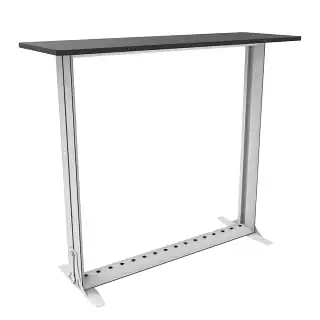
- High-top tables placed toward the back.
- Partial visual separation without full enclosure.
- Clear transition from engagement zone to discussion zone.
Behavior shifts as visitors move deeper into the booth. That shift must be intentional.
9. Integrate Hidden Storage and Staff Zones
Clutter destroys credibility. Extended booths amplify visible mess.
To maintain authority:
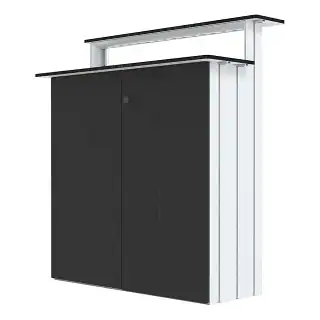
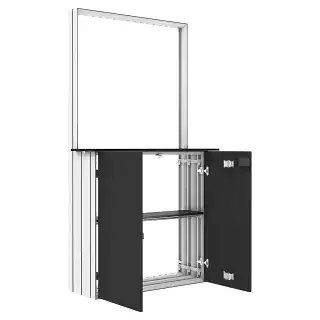
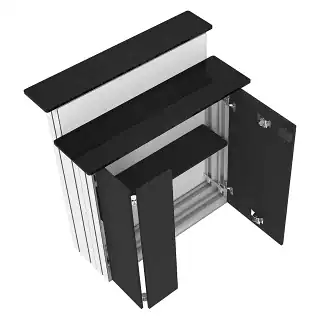
- Install concealed storage cabinetry.
- Hide cables and power routing.
- Define staff positioning roles clearly.
Operational discipline reinforces brand professionalism.
10. Measure Performance Beyond Lead Volume
High-visibility presence must translate into measurable outcomes.
Track:
- Dwell time inside the booth.
- Engagement depth per visitor.
- Qualified lead percentage.
- Post-show revenue attribution.
Raw lead count is not the primary metric. Engagement quality determines return on investment.









 5101 Commerce Dr., Baldwin Park, CA 91706
 ExhibitorLive 2026 , Mar 30-April 1, Tampa , FL , Booth #237