


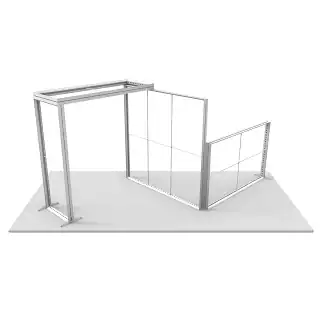
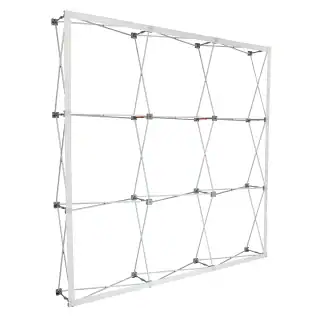
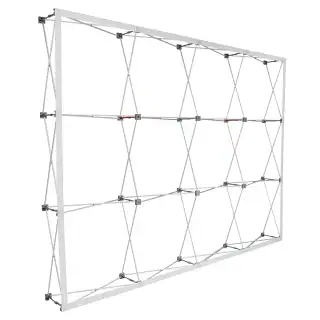
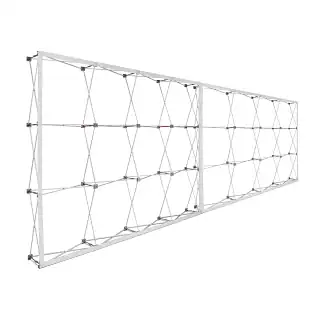
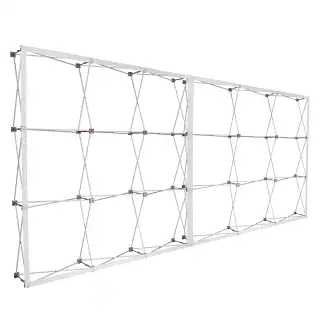

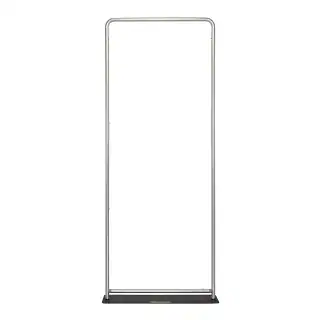
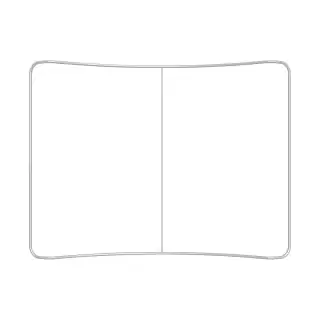
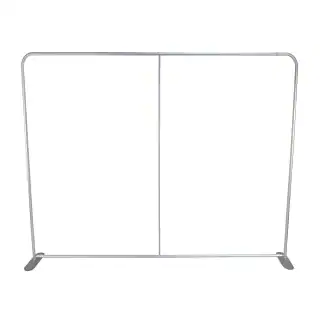
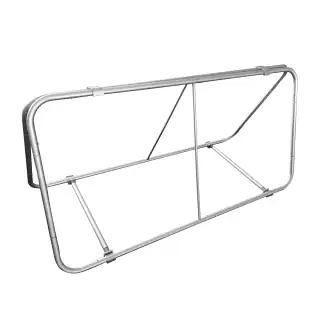
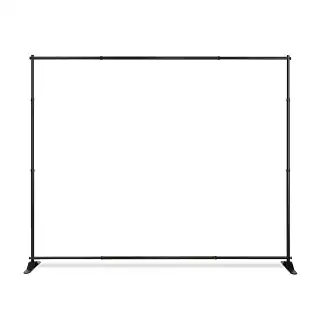
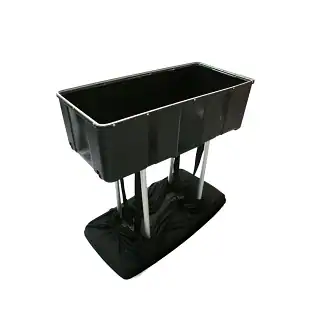
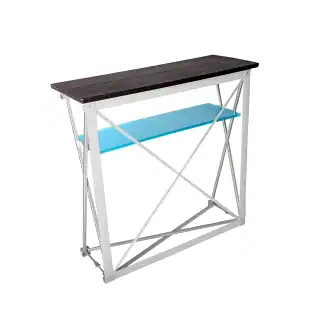




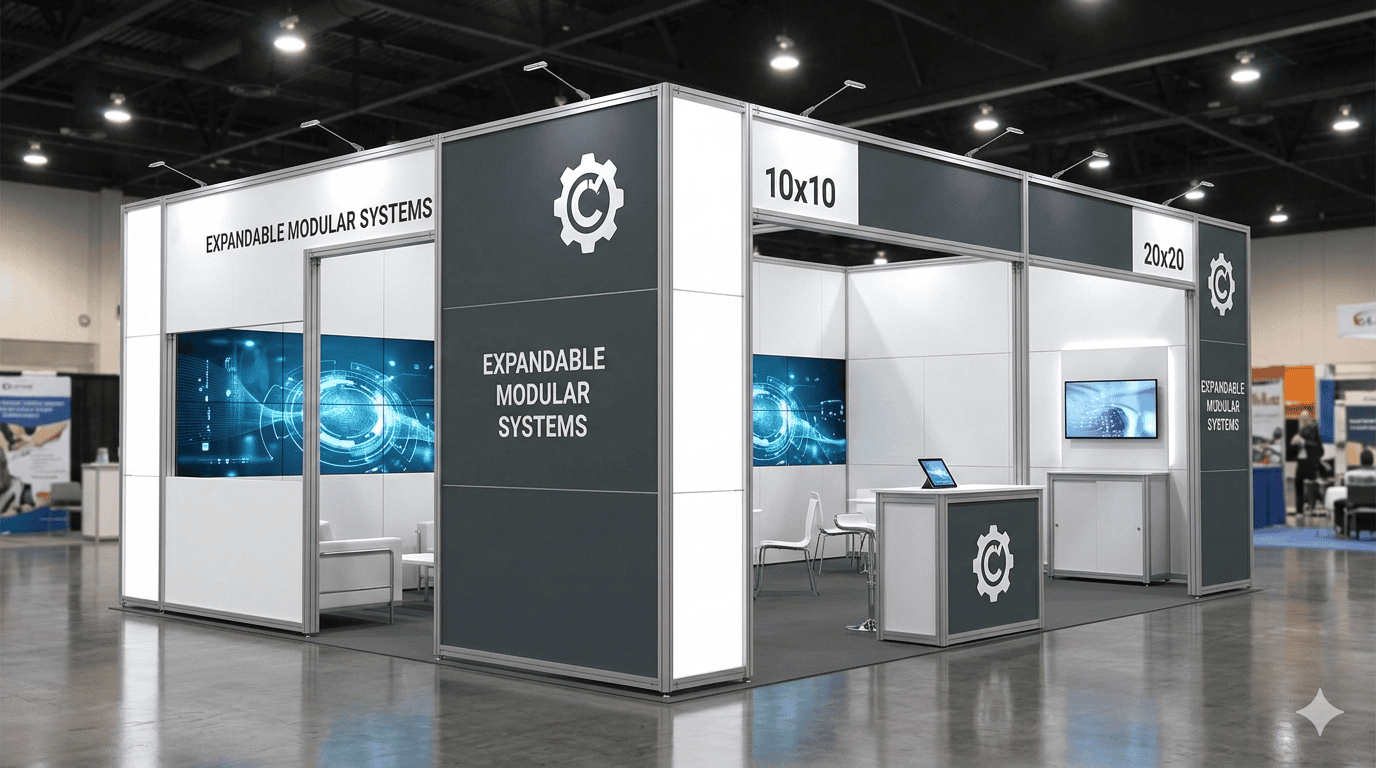
Expandable trade show booths provide scalable solutions for brands that need flexibility across multiple events. Instead of committing to a fixed booth size, companies can adapt their exhibit footprint based on show requirements, budget constraints, and growth strategy. This modular approach reduces long-term costs while increasing design consistency and operational efficiency.
Flexible exhibit growth is not just about adding panels. It is about engineering a system that maintains visual authority while scaling from smaller inline booths to larger island configurations.
1. What Are Expandable Trade Show Booths?
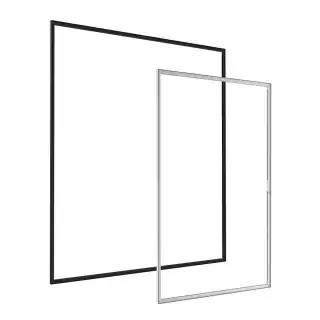
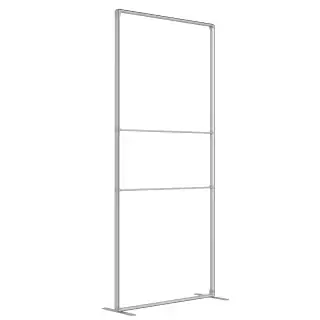
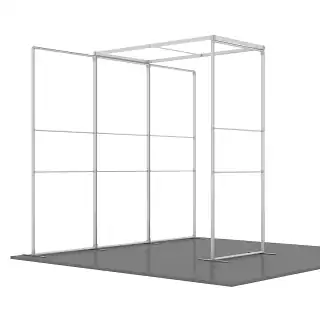
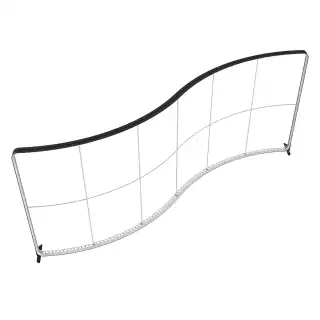
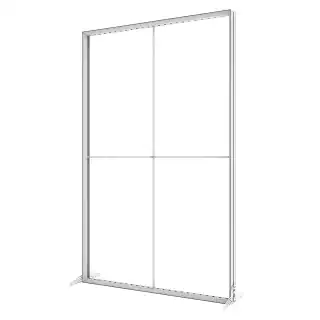
Expandable trade show booths are modular exhibit systems designed to increase or decrease in size without requiring a complete redesign. These systems use interchangeable panels, reconfigurable frames, and adaptable graphic structures.
Instead of building a new booth for each show size, exhibitors invest in a flexible framework that grows with their needs.
- Modular frame construction
- Interchangeable graphic panels
- Scalable lighting integration
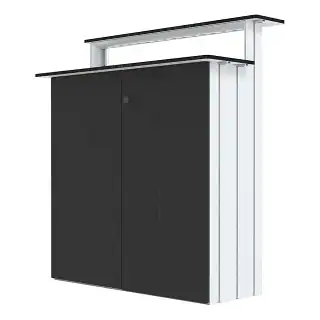
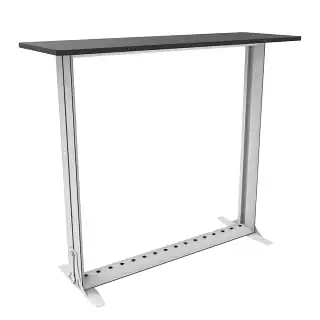
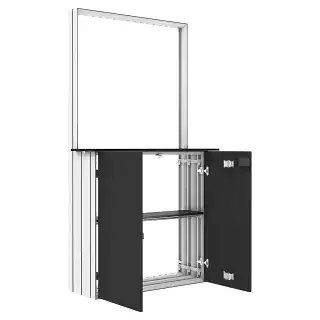
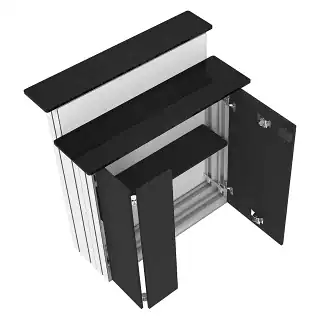
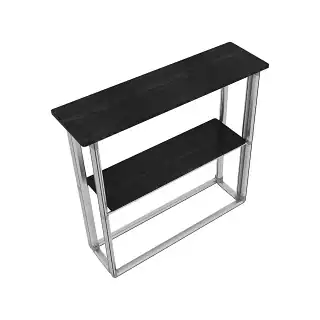
- Reconfigurable counters and accessories
This approach allows brands to maintain visual consistency across events of varying scale.
2. Why Flexibility Matters in Modern Exhibiting
Trade show environments vary significantly. Some events require a compact 10×10 footprint. Others demand a 20×20 island presence. Committing to one fixed size can limit opportunities or inflate costs.
Expandable trade show booths solve this problem by allowing:
- Participation in smaller regional shows without oversized expense.
- Expansion into national expos with stronger visual impact.
- Adaptation to different venue regulations.
Flexibility reduces financial risk while preserving brand authority.
3. Scalable Design Without Losing Visual Impact
One of the biggest concerns with modular exhibits is appearance. Poorly designed systems can look pieced together. However, properly engineered expandable trade show booths maintain structural cohesion even when resized.
Key design principles include:
- Consistent typography across all panels.
- Centralized brand anchor that remains dominant at every size.
- Balanced lighting distribution regardless of configuration.
Visual hierarchy must remain intact whether the booth is 100 square feet or 400 square feet.
4. Cost Efficiency Over Multiple Shows
Exhibit budgets should be evaluated across multiple seasons, not single events. Building separate booths for different show sizes increases storage, freight, and production costs.
Expandable trade show booths improve cost efficiency by:
- Reducing redundant fabrication.
- Lowering storage requirements.
- Simplifying shipping logistics.
- Allowing graphic refreshes without structural replacement.
Over a three-year period, scalable systems often deliver significantly better ROI than fixed-size builds.
5. Operational Simplicity and Logistics
Modular systems are designed for efficient installation and dismantling. This reduces labor hours and minimizes risk of setup errors.
Important operational advantages include:
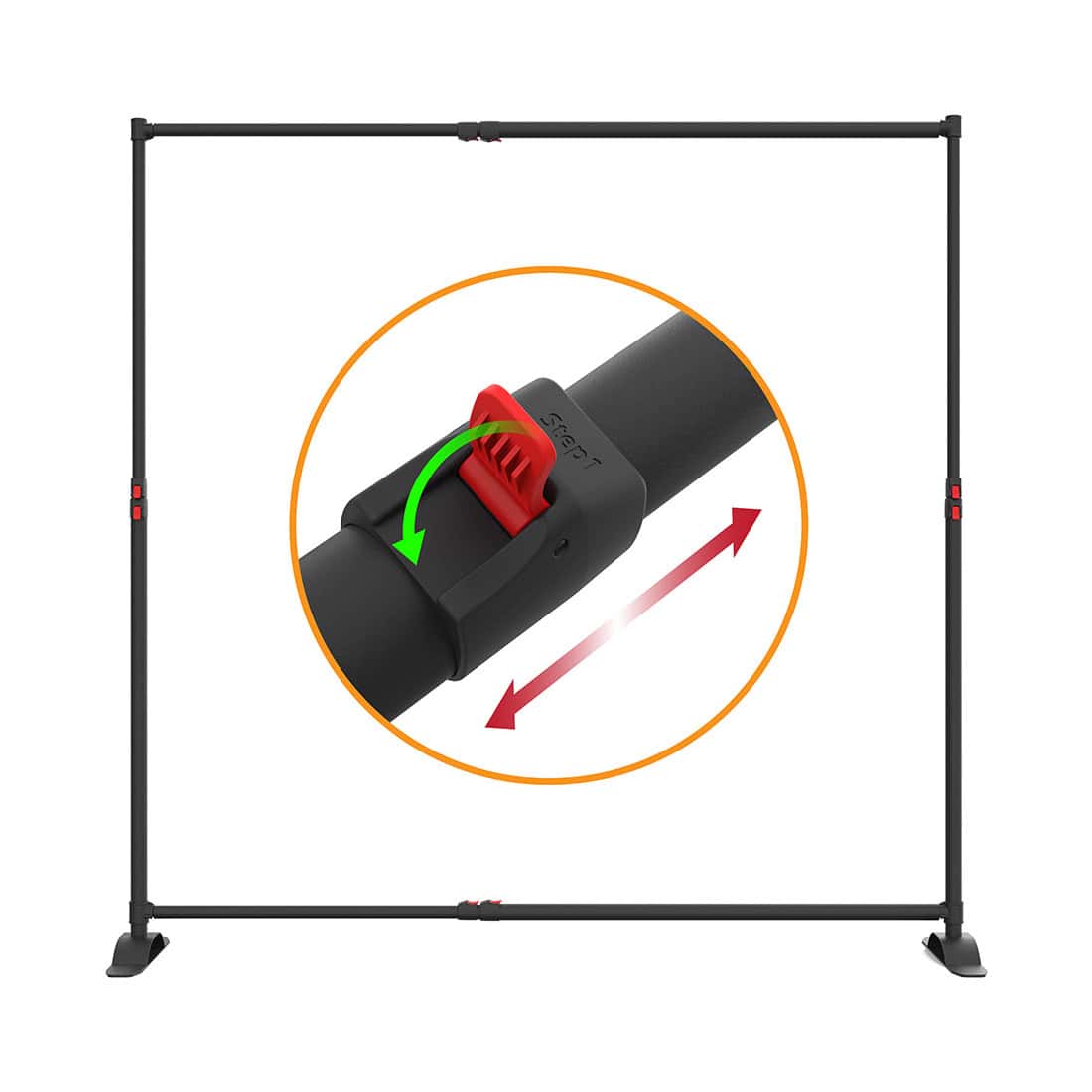
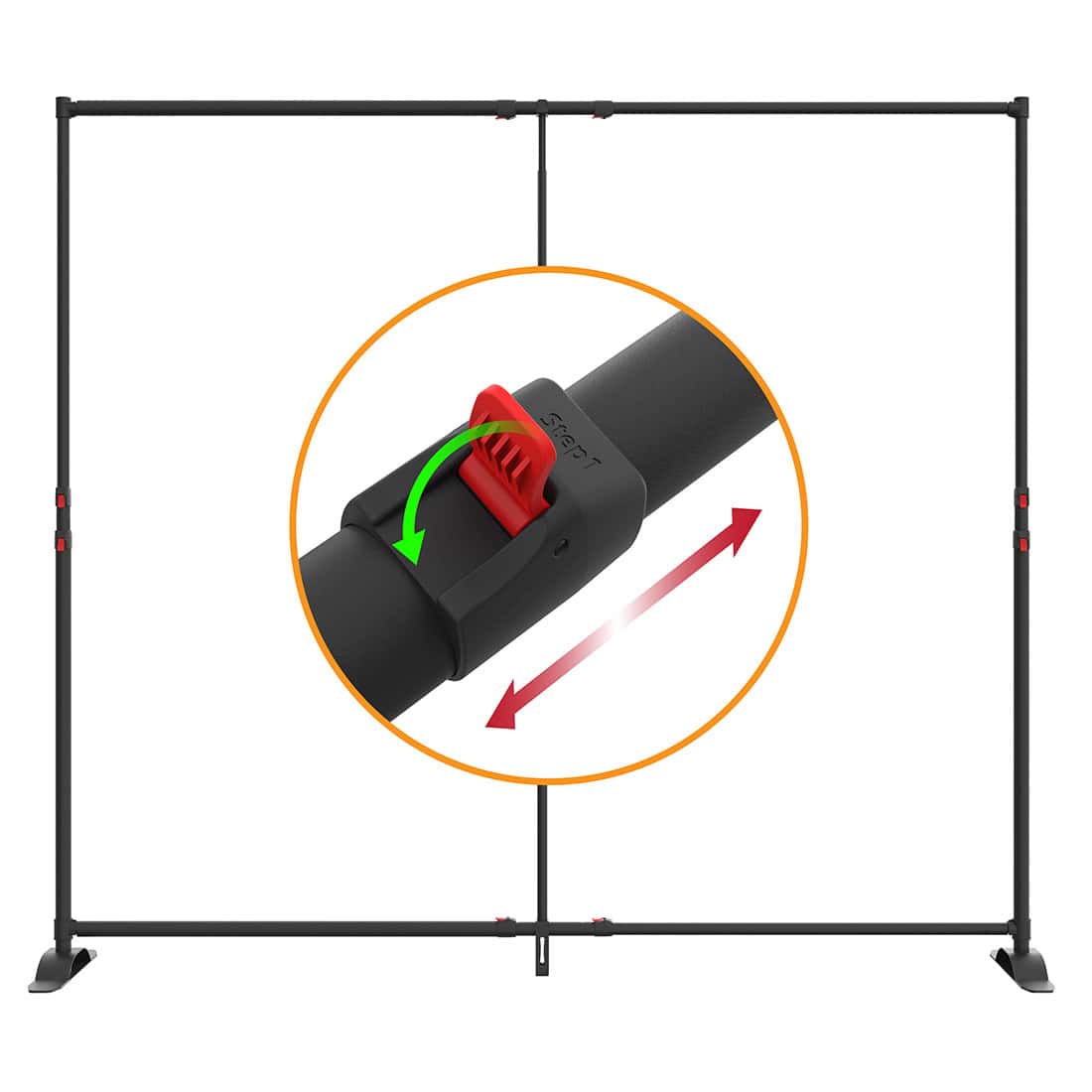
- Tool-free frame assembly in many systems.
- Clearly labeled components for quick configuration changes.
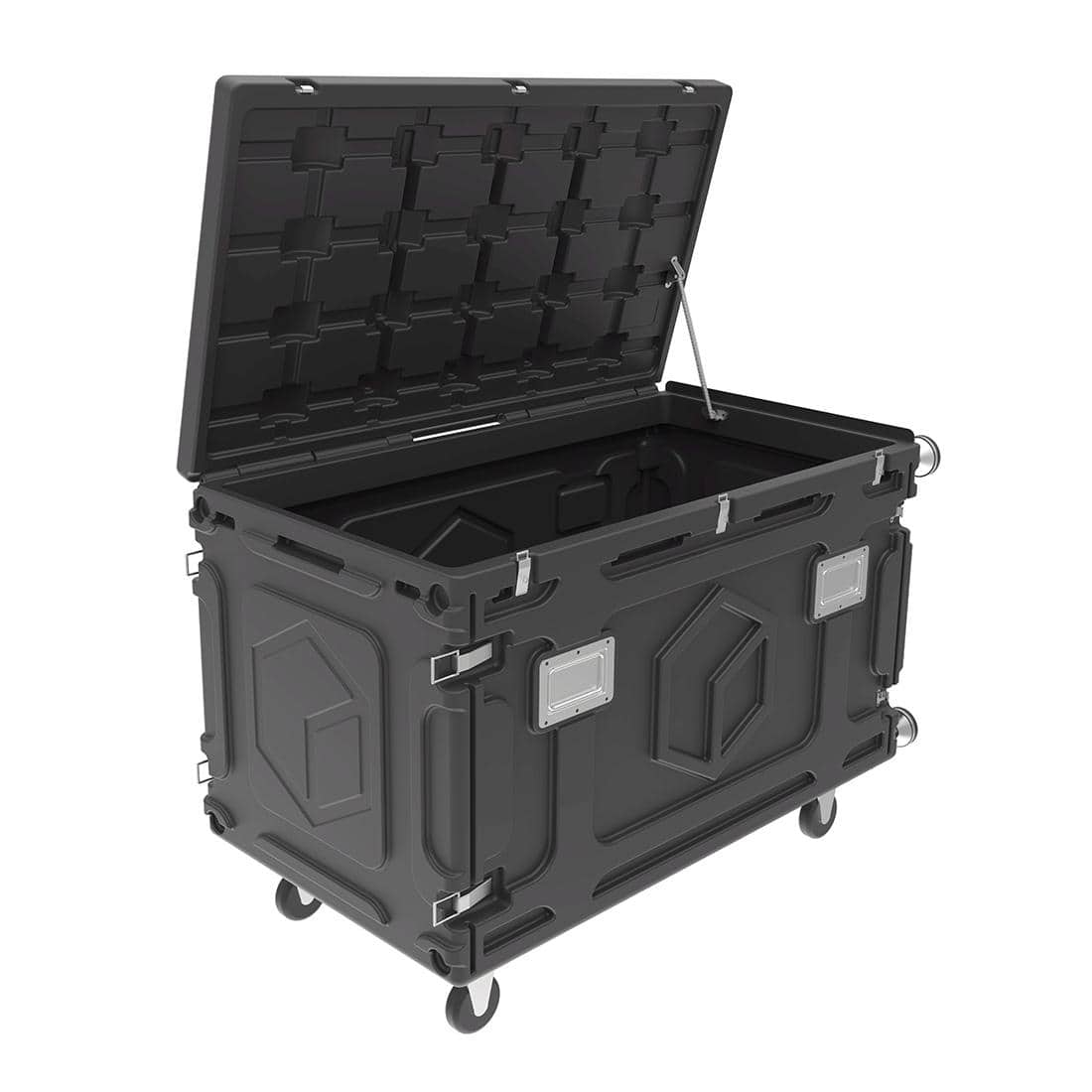
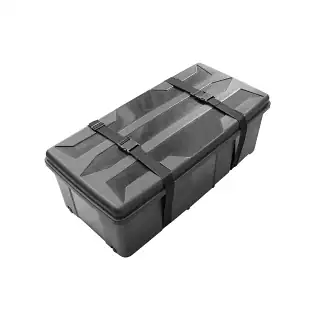
- Compact crating for transport efficiency.
Simplified logistics reduce stress during event setup and teardown.
6. Strategic Growth Without Rebranding
As companies grow, their exhibit footprint should reflect that growth. However, full redesigns disrupt brand consistency.
Expandable trade show booths allow gradual expansion while preserving:
- Core brand identity.
- Color consistency.
- Structural layout logic.
Scalability should enhance authority, not reset it.
7. Lighting and Technology Integration
Technology integration must remain adaptable as booth size changes. Lighting and digital components should scale proportionally.
Effective strategies include:
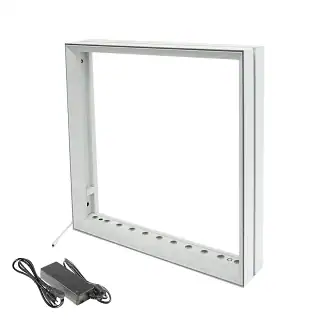
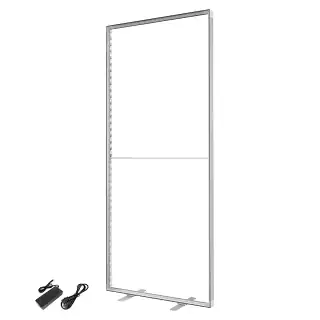
- Modular LED panels that connect across configurations.
- Adjustable lighting arms for varying heights.
- Flexible monitor mounts compatible with different layouts.
Technology should amplify visibility, not complicate expansion.
8. Maintaining Traffic Flow Across Sizes
When booth size increases, traffic behavior changes. Larger layouts require structured zoning.
Regardless of configuration, booths should include:
- An attraction zone at the front.
- An engagement zone for demos.
- A conversion zone for deeper discussions.
Consistent behavioral structure ensures performance across sizes.
9. Risk Management and Future-Proofing
Market conditions change. Event participation may increase or decrease based on economic factors. Investing in expandable trade show booths provides risk protection by maintaining flexibility.
Future-proofing strategies include:
- Designing for multiple footprint options from the start.
- Choosing durable materials that withstand repeated reconfiguration.
- Allowing graphic refresh cycles without structural overhaul.
Adaptability protects long-term marketing investment.









 5101 Commerce Dr., Baldwin Park, CA 91706
 ExhibitorLive 2026 , Mar 30-April 1, Tampa , FL , Booth #237