


When Your Display Lets You Down:
Picture this: you’re moments away from the event floor opening, and your setup looks off. One leg of your display isn’t level. The fabric backdrop is slightly torn. The sleek visual impact you worked hard to design now looks disorganized and unreliable.
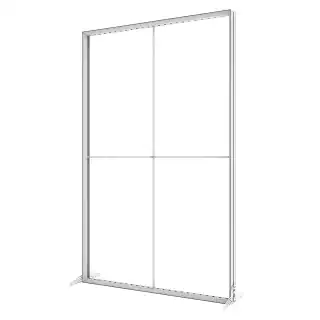
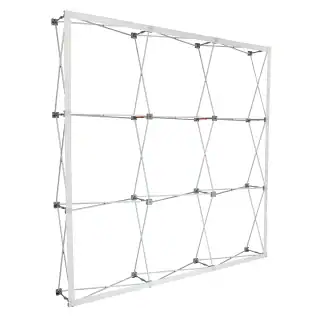
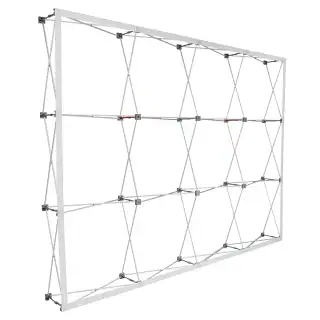
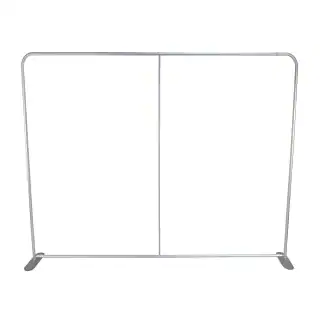
If your 10ft Straight Pop-Up Display isn’t performing like it used to, you’re not alone. These portable systems are meant for mobility, but with that comes vulnerability—especially when they’re frequently packed, transported, and reassembled. The good news is most common issues—whether structural or cosmetic—can be fixed with some simple troubleshooting and care.
This guide walks you through proven fixes, prevention strategies, and when it’s time to replace parts—so your trade show pop-up backdrop stays as polished as your pitch.
Understanding the Wear and Tear of Frequent Use:
Pop-up displays are engineered for convenience, but their longevity depends on how they’re used and handled. Repeated setups, breakdowns, and long-distance transport all take their toll—especially if protective padding isn’t consistently used during travel.
Over time, connectors may loosen, joints start to rattle, and fabrics can stretch beyond their design tolerance. Add in humid venues, sudden temperature changes, or tight booth corners, and even a premium portable fabric display stand can start to show its age.
These issues aren’t signs of low quality—they’re normal consequences of frequent field use. Understanding them is the first step toward fixing and preventing them.
Diagnosing a Wobbly Frame: Causes and Quick Fixes
A shaky display can erode your professional image in seconds. Luckily, most frame stability issues can be fixed without specialized tools.
Start by examining the base. Look for uneven legs, bent connector hubs, or loosened joints. Often, wobble results from minor shifts that occurred in transit or from uneven flooring at the venue.
Here’s how to stabilize it:
-
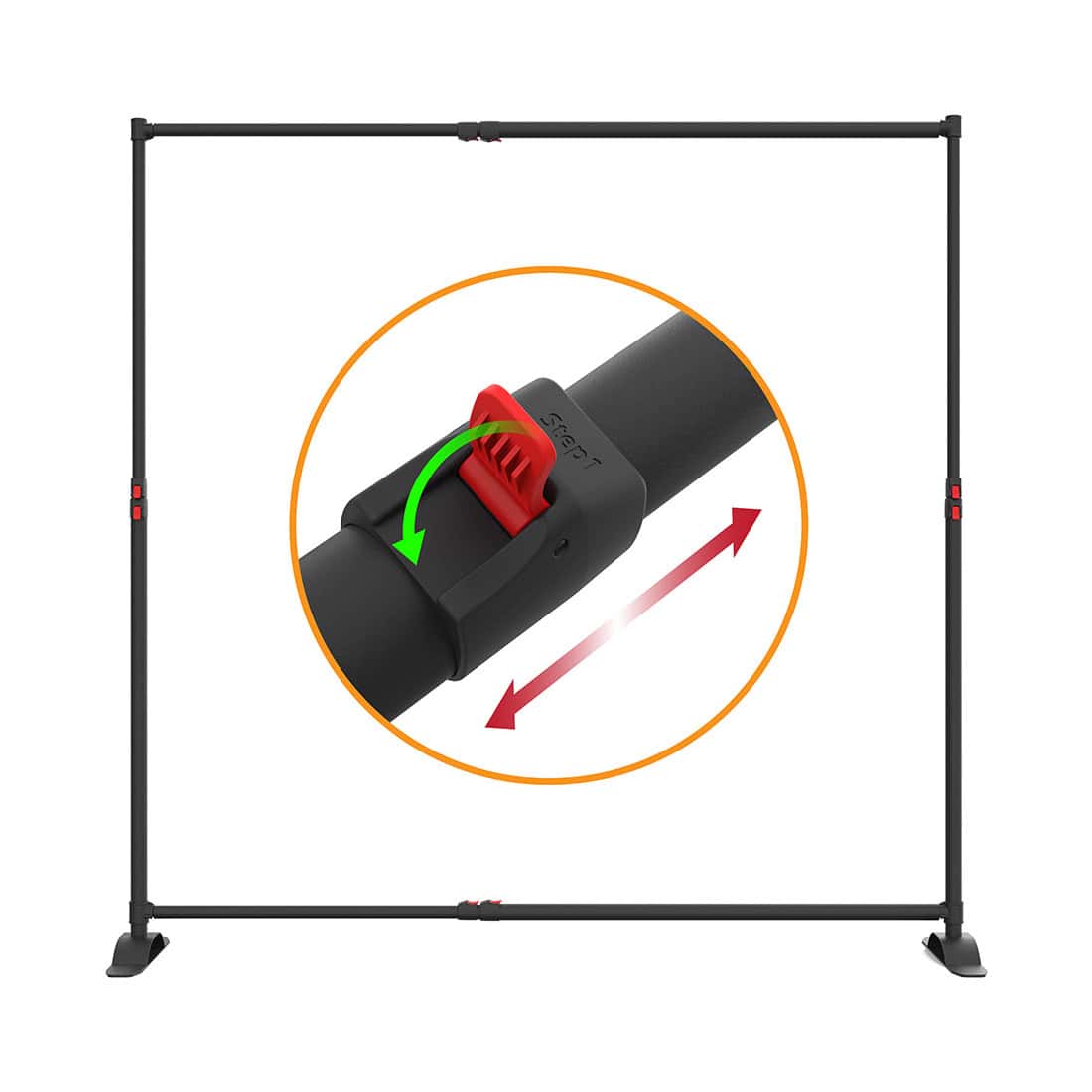
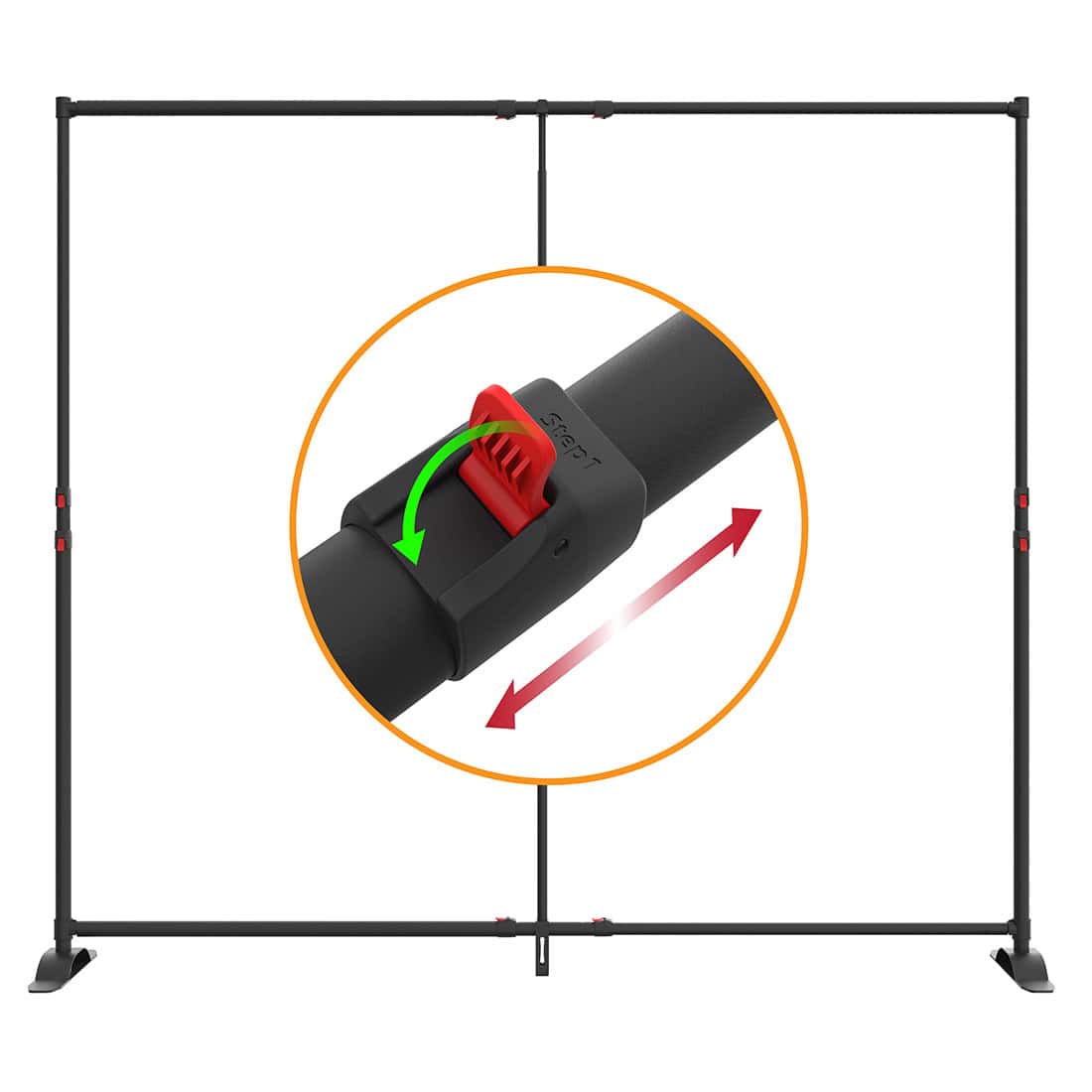
Fully extend all legs and lock them securely
-
Check truss connectors and corner hubs for misalignment or gaps
-
Use zip ties or Velcro straps as a temporary fix to hold weakened joints in place
-
Inspect for any bent aluminum sections—if minor, they may be reshaped carefully
If you’re using a trade show pop-up backdrop in an outdoor or high-traffic area, extra support (like weighted feet or sandbags) can help manage motion from vibrations or airflow.
Most importantly, make it a habit to inspect the pop-up frame structure before every event. One loose section left unchecked could compromise the whole setup mid-show.
Dealing with Ripped or Wrinkled Fabric Panels:
Fabric is what gives your display its personality—but it’s also its most fragile element. Tears typically happen during hurried takedowns, overstretching during setup, or from sharp edges inside transport cases.
If your backdrop is torn:
-
Small holes can be patched using color-matched adhesive fabric or sewn with invisible thread
-
For larger tears, contact your supplier for replacement panels compatible with your fabric pop-up display
To prevent wrinkles:
-
Always roll—not fold—the graphic
-
Store in breathable fabric sleeves rather than tight plastic
-
Avoid placing heavy items on top of your tension fabric signage during transport
Fabric creases can often be released with a light steam or warm air, but always test a small corner first to avoid damaging print quality.
Preventive Care Tips to Avoid Recurring Problems:
Smart maintenance adds years to your display’s life.
Here’s what experienced exhibitors do:
-
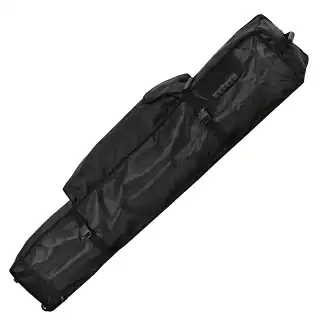
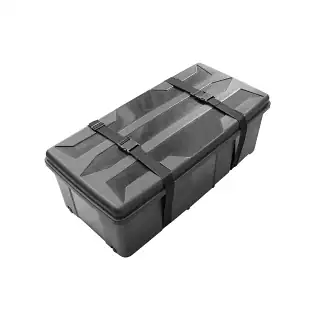
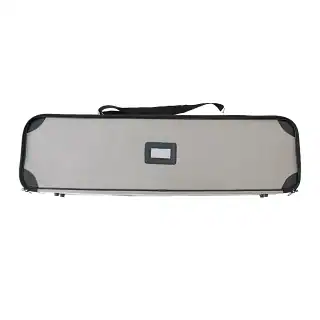
Transport with care: Use padded transport bags or hard cases, and secure frames to prevent internal movement
-
Clean regularly: Dust and moisture shorten the life of both fabric and frames
-
Avoid over-tightening: Stretching fabric too tightly can strain edges and accelerate tears
-
Store properly: Never pack a wet display—moisture can lead to mold or corrosion, even in aluminum frames
Conduct a quick inspection after each event. Catching minor issues—like a small nick in the tubing or a fraying fabric seam—early means simpler fixes and fewer surprises at your next event.
Following these maintenance for pop-up displays habits can extend the working life of your equipment significantly.
When to Repair vs. Replace Components:
Eventually, even the most well-maintained display will need a bit more than patchwork. But how do you know whether to repair or replace?
Repair when:
-
Joints are loose but not broken
-
Fabric has minor tears that don’t impact visibility
-
Crossbars are bent but not snapped
Replace when:
-
Corners are cracked or warped beyond safe alignment
-
Multiple trusses are compromised
-
Graphics are faded, stained, or heavily wrinkled beyond salvage
Many users are surprised how long a 10ft Straight Pop-Up Display can last when individual parts are cared for or replaced proactively. Replacing one broken truss or ordering a fresh fabric panel is much more sustainable (and practical) than discarding the whole system.
A Reliable Display Starts with Smart Maintenance:
Pop-up displays are one of the most efficient tools for creating visual impact on the go. But like any equipment used in high-demand environments, they need attention and care to stay event-ready.
The fixes shared here are based on real-world practices, tested by vendors, marketers, and production teams who rely on their setups daily. From stabilizing shaky frames to refreshing fabric graphics, you don’t need to be a technician—you just need a routine.
With a little troubleshooting and some preventive maintenance, your event booth backdrop will continue to stand strong and look sharp—show after show.









 5101 Commerce Dr., Baldwin Park, CA 91706
 ExhibitorLive 2026 , Mar 30-April 1, Tampa , FL , Booth #237