


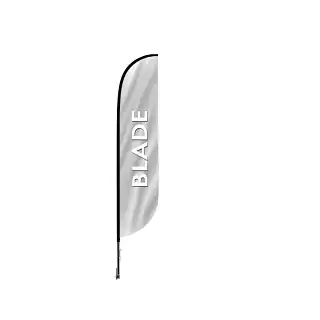
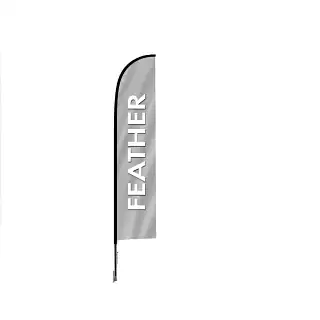
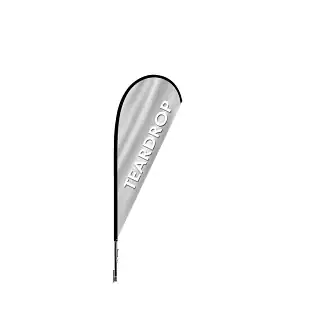
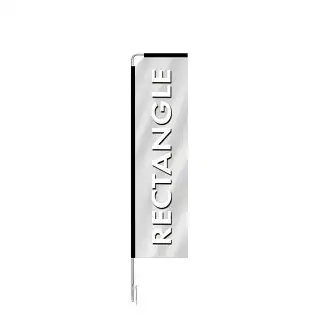

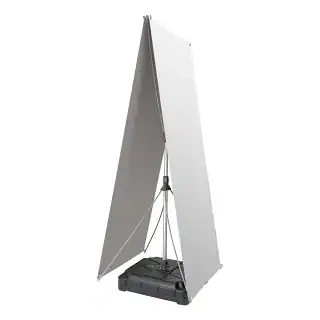
Whether you’re setting up at a bustling trade show, a beachside event, or an open grassy field, your promotional flag needs to stand tall and stable. Feather flags—especially the impressive 12ft Feather Flag Banner—are among the most effective tools for outdoor advertising. But installing them correctly across varied terrains like concrete, grass, or sand can be challenging if you’re not prepared. This guide walks you through reliable installation techniques to ensure your message stays visible and professional on any surface.
Making Your Message Stand Tall:
Feather flags have become a staple in the world of outdoor branding. From local festivals and races to high-traffic storefronts and product launches, they’re eye-catching, lightweight, and travel-friendly. But different surfaces demand different mounting strategies—and what works well on a grassy lawn may fail on pavement or beach sand.
When setting up something as tall as a 12ft Feather Flag Banner, even minor installation errors can lead to tilting, tearing, or toppling. Fortunately, with the right approach and accessories, you can achieve a secure, upright display in nearly any environment.
What Makes Feather Flags So Versatile?
Feather flags are designed for maximum visual impact with minimal setup effort. Their tall, narrow shape cuts through visual noise at events, and their portability means you can deploy them at multiple venues throughout the year.
What makes a portable event flag display so appealing is its modular design. Most units come with interchangeable parts to accommodate soft or hard surfaces. However, that same flexibility can lead to uncertainty if you’re not familiar with how to adjust for different terrains.
Tools You’ll Typically Need:
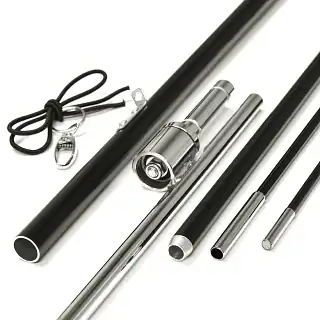
Most feather flag kits come equipped with:
- A segmented pole system
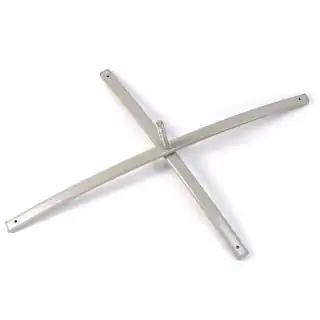
- A mounting base (cross stand or ground spike)
- A printed flag sleeve
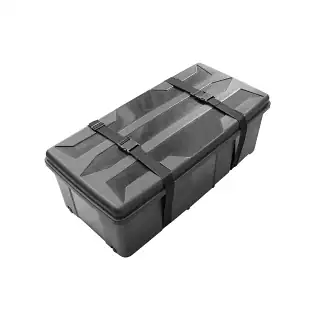
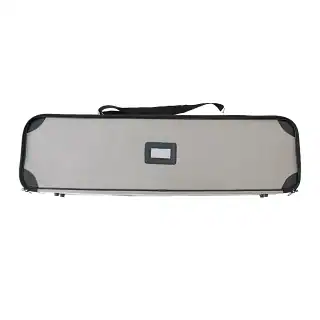
- A carry case for transport
Optional accessories can include water weight bags, mallets for staking, and sand anchors for extra grip. Modern custom outdoor advertising flags are built with modular parts to make installation intuitive—even for first-timers.
Installing a Feather Flag on Concrete:
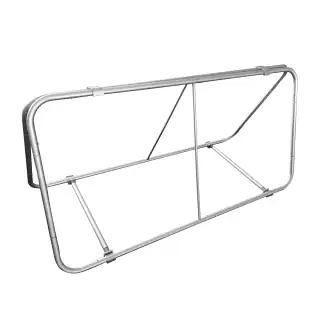
Concrete surfaces—like sidewalks, parking lots, or event hall floors—present one major issue: you can’t drive a spike into them. That’s where flat bases or X-shaped cross stands come into play.
Place the flat base where you want the flag positioned. If it’s in a windy area, weight it down with water bags or sandbags. Some setups even allow you to anchor the base under heavy items like display tables.
To improve wind resistance, place your flag near a wall or windbreak if possible. This not only helps stabilize it but also reduces stress on the pole during gusty conditions.
Related techniques: flat base for feather flag, weighted flag stand, stable installation on pavement.
Setting Up on Grass or Soil:
When working with softer terrain, such as parks or lawns, installation becomes more straightforward. This is where ground spike installation really shines.
Drive the spike into the ground at a slight angle against the wind direction. A rubber mallet can help if the soil is compact. Ensure the spike is deep enough that it doesn’t wiggle when you tug on it—this will protect against sudden movement or flag lean.
Once the spike is secure, slide your pole into the sleeve and extend it. The flag pole base will anchor naturally against the earth and hold steady through typical weather.
Additional terms: setting up on grass, outdoor flag support.
Installing on Sand or Loose Soil:
Sand is beautiful but unstable—making it one of the trickiest surfaces for feather flag setup. Whether you’re at a beach festival, desert event, or even loose soil after rain, deeper anchoring is key.
Use a specially designed sand anchor if available, or bury the spike deeper than usual. You may need to twist it as you insert to create a firmer grip.
Wind can easily cause a flag to tip or rotate in sand. Place heavy bags or even dig a shallow pit to reduce movement. Avoid positioning the flag near slopes or wet, shifting sand.
Relevant concepts: feather flag on beach, sand installation guide, soft terrain flag support.
General Tips for Secure Installation:
No matter the surface, there are a few universal best practices to ensure your feather flag stands tall and lasts longer:
- Check wind conditions before setting up. Anything over 20 mph may warrant postponement.
- Rotate your display location from time to time to reduce base wear.
- Always clear away sand, dirt, or debris after use to maintain performance.
- Store the equipment in a padded carry case to avoid damage during transit.
These small habits can make a big difference in your flag’s stability and longevity.
Maintenance to Prolong Flag Life:
To keep your portable event flag display looking new, avoid exposure to excessive moisture. After each event, wipe the flag fabric and pole with a soft, dry cloth. Let it air out before storing to prevent mildew.
When folding the flag, avoid sharp creases. Use the original packaging or a flat storage sleeve to preserve the fabric and prevent edge fraying.
With proper care, a high-quality custom outdoor advertising flag can serve you through dozens of activations without fading, tearing, or warping.
When to Consider Upgrading Your Setup:
Even the most durable flag hardware wears out over time. Look for signs like rust on metal bases, cracks in the pole, or visible tilting when assembled.
If your 12ft Feather Flag Banner frequently faces harsh wind or mobile setups, you may want to upgrade to a heavier-duty base. Reinforced cross stands or ground plates can drastically improve performance and presentation.
Conclusion: Ready for Any Surface
Installing a feather flag doesn’t have to be guesswork. With the right method, you can ensure your flag stands secure whether you’re setting up on concrete, grass, or sand. Investing time in proper setup and maintenance not only protects your gear but also elevates your brand’s visibility.
Whether you’re using a custom outdoor advertising flag for storefronts, seasonal events, or festivals, knowing how to install it correctly can make all the difference. Stand tall, stay visible, and keep your message moving with confidence.












 5101 Commerce Dr., Baldwin Park, CA 91706
 ExhibitorLive 2026 , Mar 30-April 1, Tampa , FL , Booth #237