


Introduction: Strength Matters When It’s Show Time
Whether you’re setting up for an outdoor festival, a bustling street market, or a corporate trade show, the canopy tent you choose isn’t just a shelter—it’s the backbone of your brand’s presence. When unexpected weather hits or setup time is limited, having a reliable and resilient tent frame becomes mission-critical.
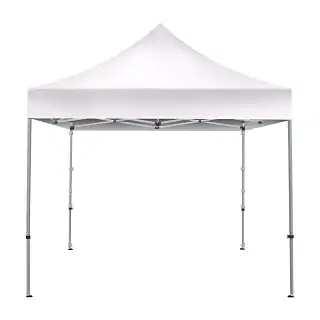
Among the many options on the market, the 10×10 Aluminum Pop-Up Canopy Tent has emerged as a preferred choice for professionals who need more than just portability—they need performance and longevity. This article unpacks why aluminum, specifically hexagonal aluminum frames, consistently outlasts steel by years in real-world scenarios.
What Makes a Canopy Frame Strong?
The heart of any pop-up canopy is its frame structure. It’s responsible not just for holding the fabric overhead, but for withstanding wind, tension, repeated handling, and frequent transportation.
Key components include:
-
Frame tubing – which defines load capacity
-
Locking mechanisms – affecting setup stability
-
Cross-trusses and joints – responsible for force distribution
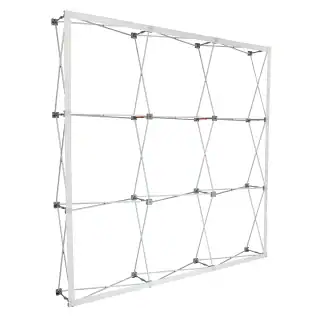
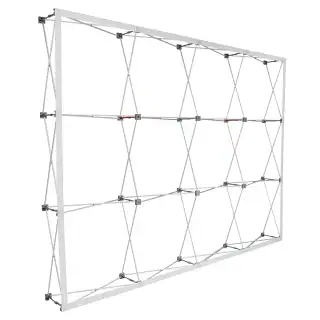
What separates professional-grade tents from basic models is how well these parts maintain structural integrity over time. And one overlooked detail? Tubing shape. While square tubing is common, hexagonal tubing improves load distribution and resists bending under stress—reducing frame fatigue over time.
Hex Aluminum vs. Steel: A Material Deep Dive
At first glance, steel might appear to be the tougher option—after all, it’s heavier. But that extra weight doesn’t translate into durability. In practice, it can be a liability.
Aluminum, particularly high-grade aircraft aluminum used in commercial tents, has a superior strength-to-weight ratio. It provides comparable or greater support while being significantly lighter, which makes setup faster and less physically taxing.
Even more important is corrosion resistance. Steel, if not properly coated or maintained, is highly vulnerable to rust, especially when used in humid environments or during rainy events. Aluminum, by contrast, forms a natural oxide layer that protects it from corrosion—making it an ideal choice for long-term, outdoor use.
What truly sets hex aluminum apart is its six-sided frame tubing. This design disperses pressure across multiple angles, making it more resistant to bending, twisting, or collapsing under stress. In essence, it offers the aluminum tent frame advantages while optimizing support—unlike the thinner, weaker square tubes often seen in entry-level steel models.
Real-World Wear and Tear: What the Data Shows
Let’s move beyond theory and look at performance in the field. Vendors who use pop-up tents weekly at farmers’ markets or trade shows often report event tent frame damage with steel tents after just one or two seasons.
Common issues with steel frames include:
-
Rust near joints, particularly where water pools
-
Bent legs or crossbars after minor wind gusts
-
Loose bolts or wobbly trusses from repeated setup and teardown
On the other hand, pop-up tent resilience with hex aluminum frames is significantly higher. Frame wobble is reduced. Joints hold firm longer. Vendors often report using the same aluminum-frame tent for over five years with only minor maintenance.
This isn’t anecdotal—field-tested performance data from outdoor rental companies backs this up: tents with hex aluminum frames average 4–6 years of use, while steel frames typically last 1–2 years in comparable conditions.
The Hexagon Advantage: Design That Goes the Distance
Not all aluminum frames are created equal. The hex frame canopy tents stand out due to their unique structural properties.
Hexagonal tubing increases torsional resistance—in simpler terms, it resists twisting and bending when lateral forces (like wind or shifting weight) apply pressure. This makes it ideal for environments where stability is key, such as uneven ground or urban setups where anchoring options are limited.
Another advantage? Fewer repairs. Because of the even stress distribution, hex frames rarely suffer the stress cracks or fatigue points that lead to recurring issues in traditional square tubing tents.
For long-term users, this means more events, fewer headaches—and less downtime replacing parts.
Setup Efficiency & Portability
One of the most overlooked benefits of aluminum is its impact on usability. Whether you’re a solo exhibitor or part of a two-person crew, hauling, unpacking, and erecting a canopy shouldn’t feel like a workout.
Hex aluminum frames strike the perfect balance: they’re lightweight canopy tents without compromising on strength. The reduction in total weight makes for quicker setups and easier transport—especially critical when moving between venues or working against tight event schedules.
And because they’re often designed with easy-to-set-up pop-up systems and quick-lock features, they reduce both time and labor—no special tools required.
Conclusion: Choose Smart, Not Just Strong
Choosing the right canopy isn’t just about what holds up today—it’s about what lasts for years to come. While steel frames might work for occasional use, they simply don’t measure up when exposed to real-world demands week after week.
Hex aluminum frames provide a compelling mix of resilience, lightweight handling, and long-term dependability. They’ve earned their place in the professional toolkit not just through marketing—but through reinforced tent construction that performs where it matters most.
If you’re an exhibitor, event vendor, or outdoor professional looking for equipment that endures, investing in hexagonal aluminum isn’t just smarter—it’s essential for long-term success.










 5101 Commerce Dr., Baldwin Park, CA 91706
 ExhibitorLive 2026 , Mar 30-April 1, Tampa , FL , Booth #237