


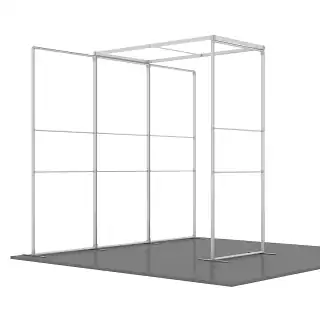
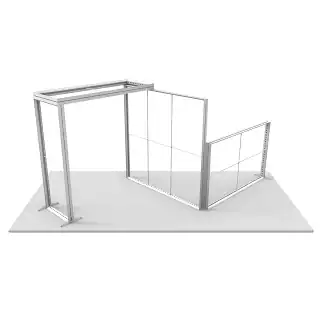
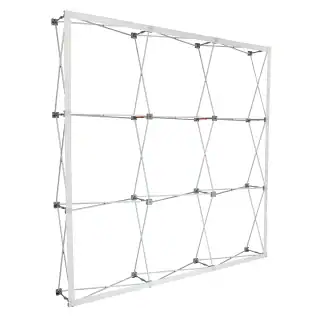
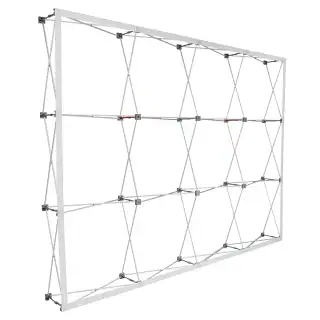
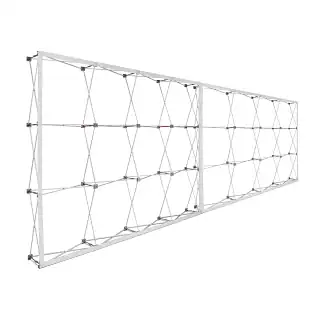
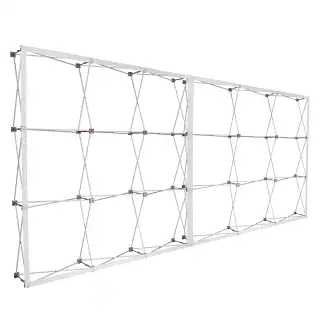
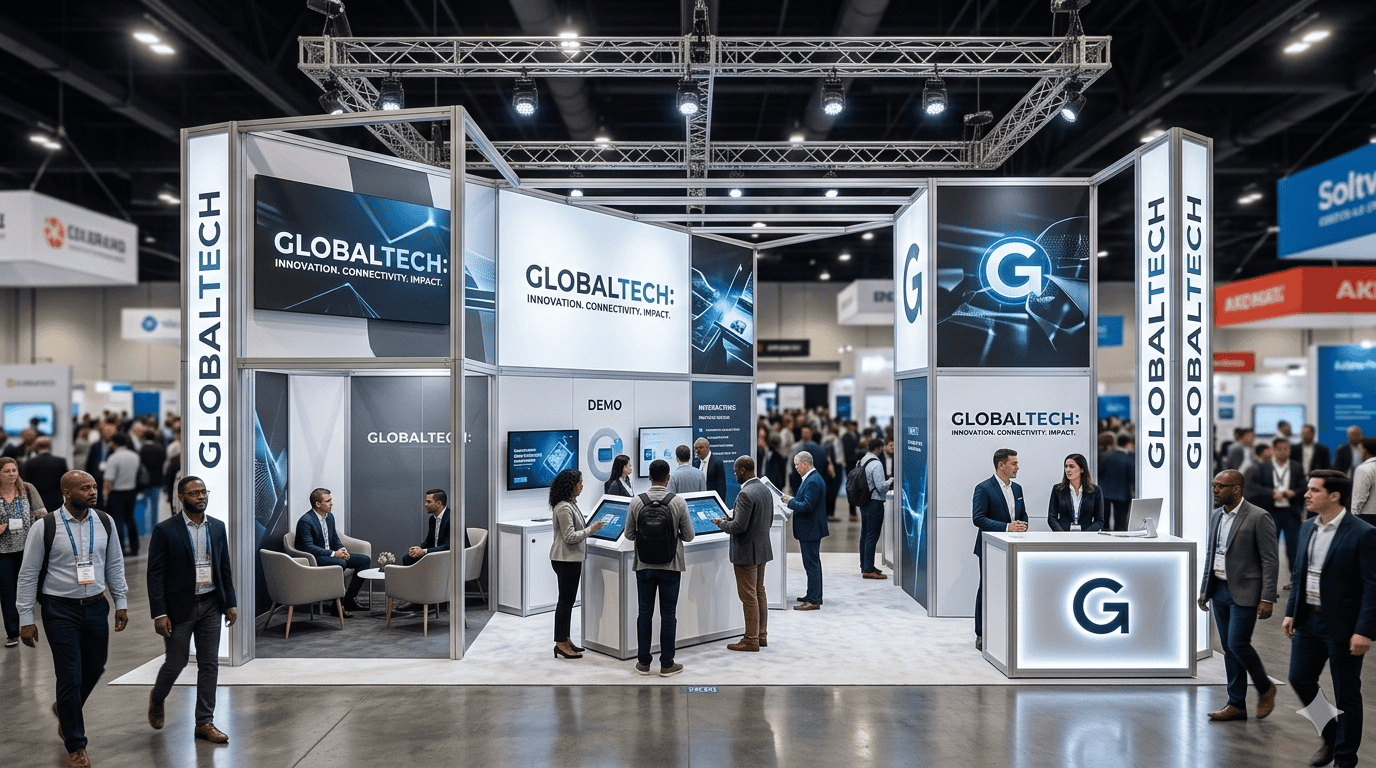
A custom 10×30 trade show setup provides 300 square feet of strategic opportunity on the exhibition floor. Unlike standard inline booths, a custom-designed 10×30 layout allows structured zoning, vertical dominance, and controlled visitor progression. However, without intentional planning, elongated booths can feel flat, cluttered, and inefficient.
Strategic brand impact requires more than size. It requires flow engineering, strong visual hierarchy, and clear behavioral segmentation. A well-designed 10×30 booth does not just display products. It guides prospects from curiosity to qualified conversation.
1. Define the Strategic Objective Before Designing
Every custom 10×30 trade show setup should begin with a clear performance objective. Is the goal lead generation, product launch visibility, or authority positioning?
Before finalizing layout decisions, define:
- Primary target audience.
- Main value proposition.
- Desired visitor behavior inside the booth.
Without a defined objective, design becomes decoration instead of strategy.
2. Segment the 30-Foot Footprint Into Functional Zones
A 10×30 booth should not function as one long wall. Segmentation creates clarity and engagement control.
Divide the space into three primary zones:
- Front zone for attraction and quick qualification.
- Middle zone for product interaction and demonstrations.
- Rear zone for sales discussions and deeper engagement.
This progression mirrors buyer psychology. Casual visitors stay near the front. High-intent prospects move deeper into the booth.
3. Use Vertical Design to Increase Visibility
Elongated booths risk appearing visually compressed if height is ignored. Vertical elements establish authority and increase aisle visibility.
Effective strategies include:
- Tall backwall structures positioned toward the rear.
- Suspended hanging signage where permitted.
- Layered lighting to create depth.
Height differentiates serious exhibitors from standard inline displays.
4. Create a Strong Central Visual Anchor
One dominant focal point improves brand recall. Too many competing visuals dilute authority.
A custom 10×30 trade show setup should include:
- Large LED display for dynamic messaging.
- Dimensional illuminated logo.
- Interactive digital engagement station.
The focal point should be visible from at least 20 feet away.
5. Engineer Traffic Flow to Avoid the Tunnel Effect
Long booths often suffer from a “bowling lane” effect where visitors remain at the edge and never enter.
To prevent this:
- Avoid placing counters across the entire front.
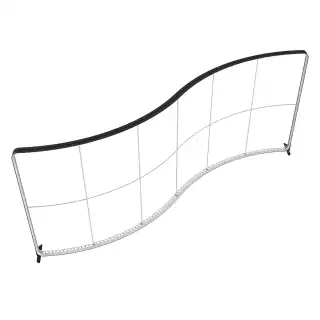
- Use angled architectural elements.
- Create subtle diagonal pathways through flooring design.
Movement should feel natural and inviting.
6. Separate Demonstration and Conversion Areas
Demonstrations attract crowds, but they also generate noise. Sales conversations require focus.
Design considerations include:
- Dedicated demo zone in the center.
- Semi-private rear discussion area.
- Clear transition between engagement and conversion zones.
Structural separation improves lead quality.
7. Use Lighting as a Structural Tool
Trade show halls often have flat overhead lighting. Custom lighting differentiates serious brands.
Layer lighting intentionally:
- Ambient lighting for overall visibility.
- Task lighting for products.
- Accent lighting for logos and focal features.
Contrast builds presence. Flat lighting reduces impact.
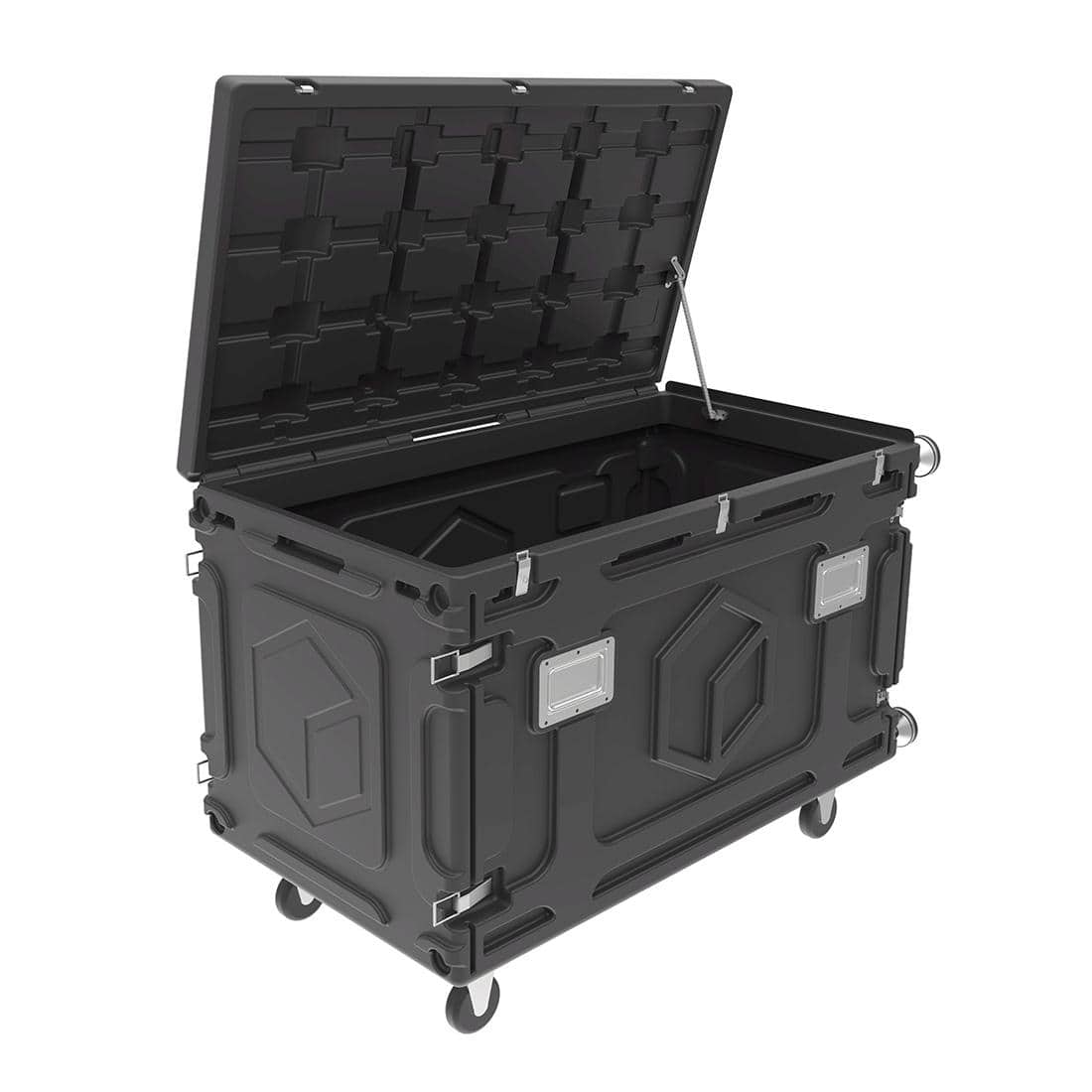
8. Integrate Hidden Storage and Operational Efficiency
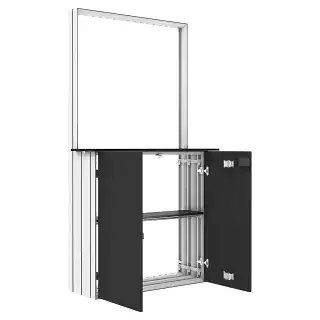
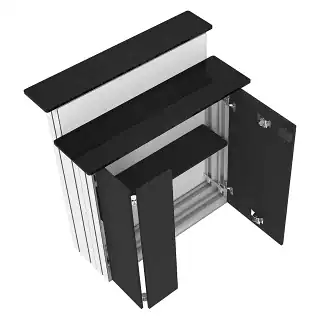
Clutter reduces credibility immediately. A custom 10×30 trade show setup must include concealed storage solutions.
Operational elements should include:
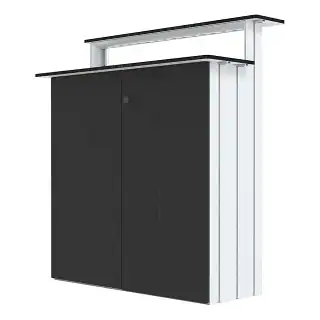
- Hidden cabinets for materials.
- Concealed cable management.
- Defined staff positioning areas.
Professional execution reinforces brand strength.
9. Optimize Messaging for Distance and Depth
Messaging must function at two levels: distance visibility and close engagement.
Structure communication as follows:
- Large headline readable at 20 feet.
- Supporting messaging at eye level.
- Detailed information only within demo zones.
Clear hierarchy prevents overload.
10. Measure Strategic Impact After the Event
Performance evaluation should extend beyond total lead count.
Track measurable indicators:
- Dwell time inside the booth.
- Engagement depth per visitor.
- Qualified lead ratio.
- Post-show revenue conversion.
Data-driven analysis improves future booth refinement.









 5101 Commerce Dr., Baldwin Park, CA 91706
 ExhibitorLive 2026 , Mar 30-April 1, Tampa , FL , Booth #237