


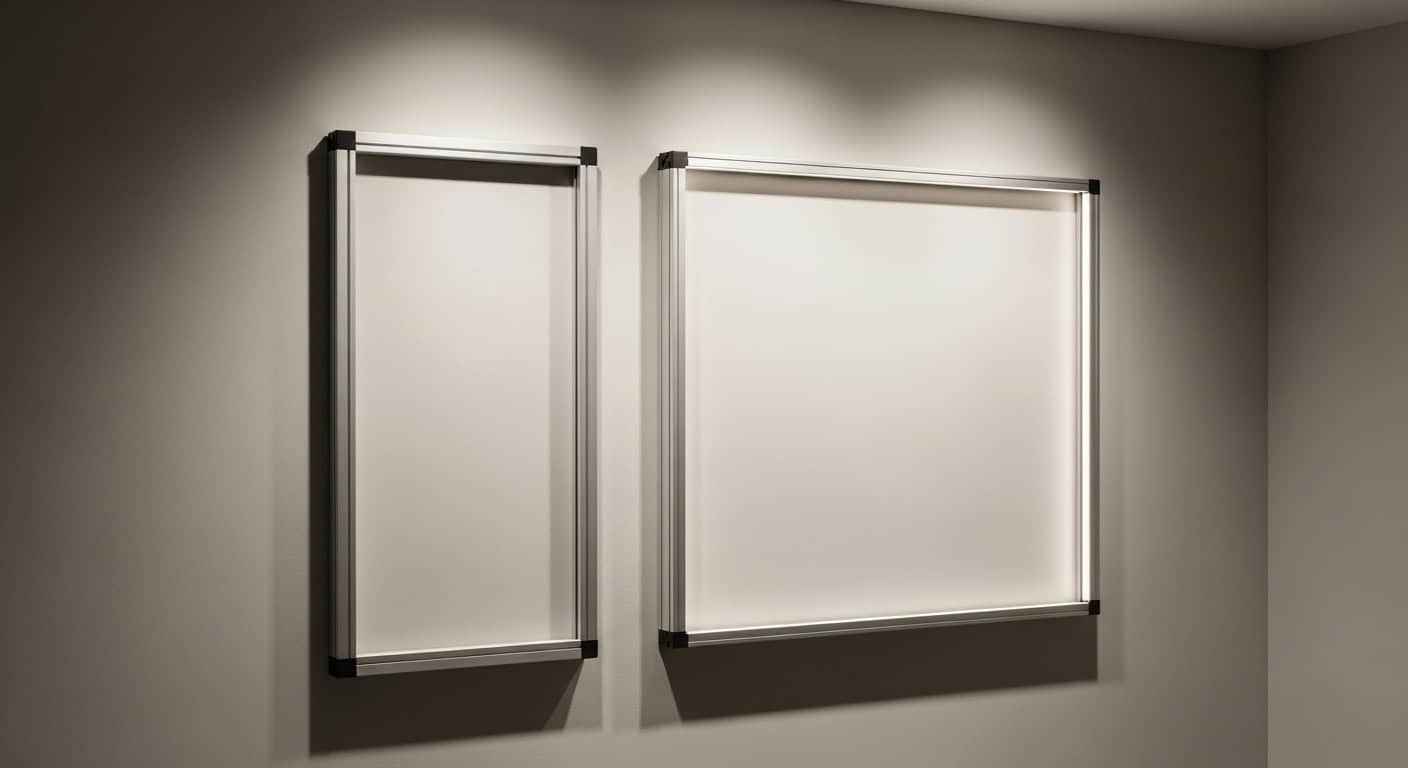
Introduction: Why Fabric Frames Matter More Than Graphics
Most buyers obsess over the graphic and treat the frame as an afterthought. That’s backward. In real-world interiors, failures almost always trace back to the frame—not the fabric. Sagging corners, rippling prints, uneven lighting, and graphics that loosen over time are rarely printing problems. They’re structural ones.
A common misconception is that all frames for fabric behave the same as long as the graphic fits. They don’t. Differences in extrusion quality, depth, corner construction, and mounting tolerance directly determine how fabric graphics look on day one—and how they look years later.
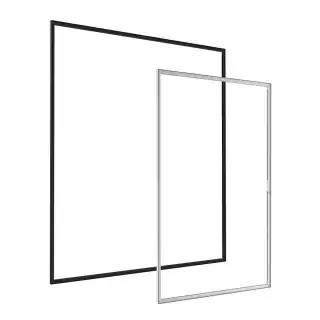
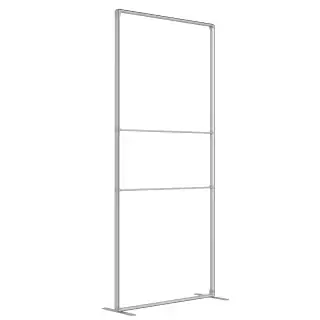
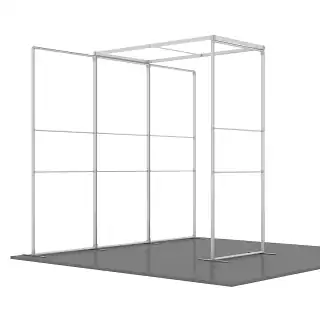
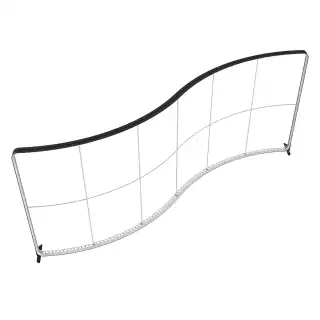
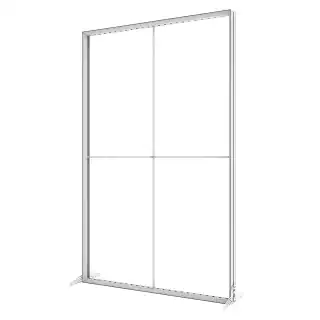
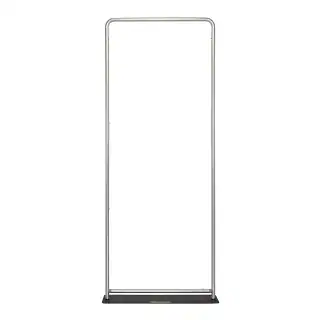
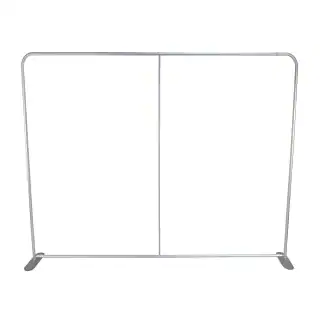
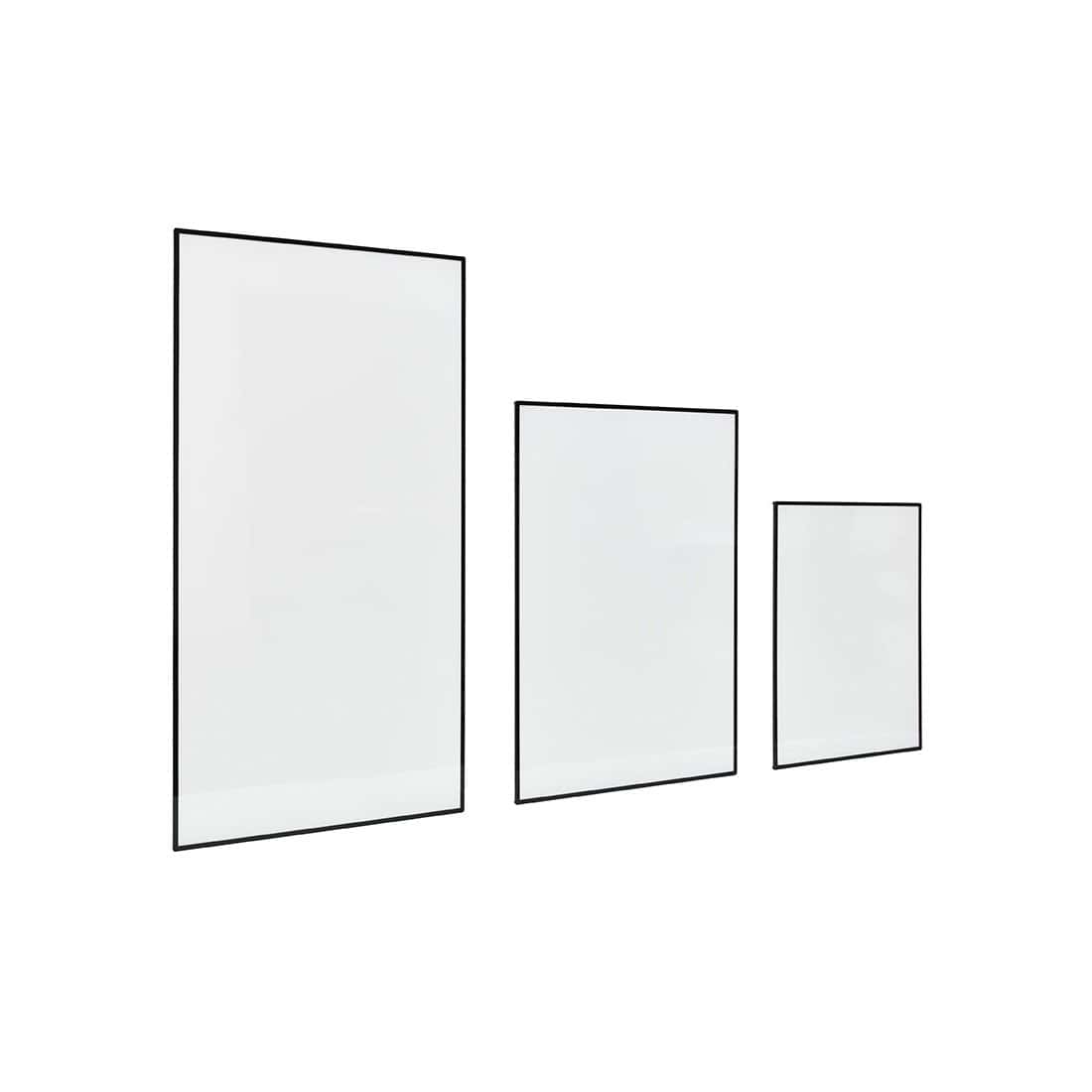
Fabric graphics are forgiving; frames are not. This article focuses on what actually matters when choosing frames for fabric in interior environments, including SEG frame displays and light frame for wall systems.
Material Quality and Frame Construction
At the core of every fabric frame is the aluminum extrusion. Higher-grade architectural aluminum resists flexing, twisting, and long-term fatigue. Lower-grade material may reduce upfront cost but introduces deflection, especially on wide spans.
Wall thickness matters as much as alloy. Thin-wall extrusions can appear straight when unloaded but deform once fabric tension is applied. That deformation shows up as waviness along edges or misaligned corners. Once aluminum bends, it does not recover.
Manufacturing consistency is another overlooked factor. Precision extrusion and proper aging produce profiles that remain straight over time. Poorly controlled production results in frames that arrive slightly warped—and those imperfections compound during installation.
Frame Depth and Wall Compatibility
Frame depth is one of the most misunderstood specifications. Shallow profiles are lighter, cheaper, and visually discreet—but far less forgiving. On perfectly flat walls they can work well. On real walls, they expose every imperfection.
Deeper profiles provide stiffness and tolerance. They bridge uneven surfaces, distribute mounting loads more evenly, and allow more flexibility in anchoring—especially important in older buildings.
Clearance also matters. Shallow frames leave little room for mounting hardware, power routing, or wall irregularities. Deeper frames create invisible working space that simplifies installation and improves final alignment.
Corner Joints and Structural Integrity
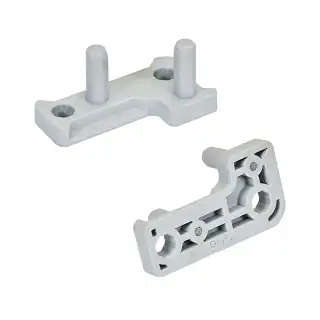
Corners are where fabric frames fail first. Entry-level systems rely on simple angle brackets or friction-fit connectors. These install quickly but loosen over time.
As joints relax, tension shifts unevenly, causing puckering near corners and diagonal distortion across the graphic.
Higher-quality systems use mechanically locked corner joints that resist rotation and maintain squareness. The difference is subtle at install and obvious months later. Corner integrity is not optional—it’s structural.
Light Frames and When Illumination Makes Sense
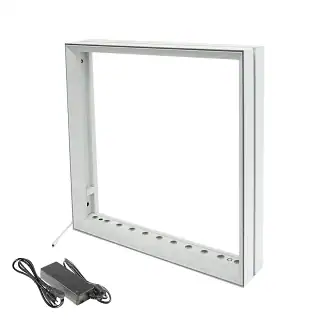
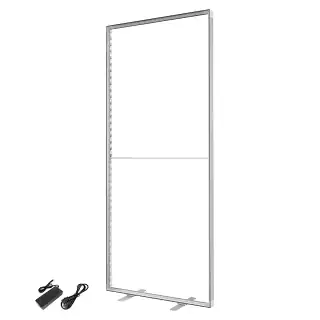
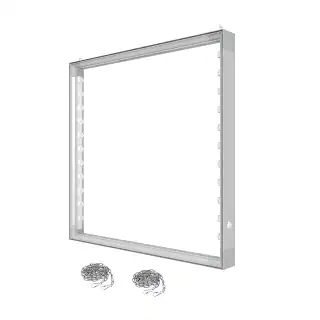
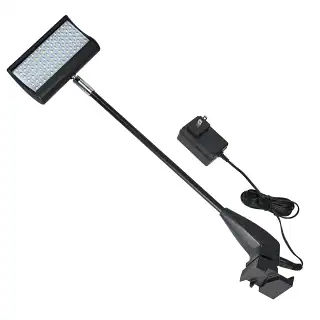
Light frame for wall applications can dramatically increase visual impact—but only when used appropriately. Illumination amplifies everything, including flaws in tension, framing, and wall prep.
Lighting introduces heat, power, and service considerations. Frames must dissipate heat, LEDs must be evenly spaced, and power access must be planned before installation.
Depth is critical. Shallow light frames struggle to deliver even illumination on large graphics. Deeper frames allow proper diffusion and smoother light output.
Illuminated fabric frames work best in controlled interior environments such as retail feature walls, corporate branding zones, hospitality spaces, and lobbies.
Installation Environment Considerations
The wall matters more than product brochures suggest. Drywall relies on anchors and stud placement, which introduces variability—especially on large or illuminated frames.
Concrete and masonry walls offer better load capacity but tighter tolerances. Frames with adaptable mounting systems perform better in these environments.
Access is often overlooked. Tight corridors or occupied interiors limit installation time and tools. Frames that require extensive on-site adjustment increase labor cost and risk.
Long-Term Maintenance and Graphic Replacement
Fabric frames are often sold as “easy swap” systems. That only holds true if the frame maintains its geometry. Frames that flex or loosen make graphic replacement harder over time.
Fabric reuse depends on consistent tension. Uneven stretching shortens fabric life, accelerates edge wear, and increases reprint frequency.
Cleaning also matters. Frames that allow safe removal without stressing corners extend usable life. Poor designs turn routine maintenance into damage events.
When Fabric Frames Are the Wrong Choice
Fabric frames are not universal solutions. High-abuse environments such as schools, gyms, and transit areas damage fabric quickly.
Outdoor exposure is another disqualifier. Moisture, UV, and temperature swings degrade systems not designed for exterior use.
One-time promotions rarely justify fabric systems. Costs outweigh benefits when lifespan is measured in weeks.
Final Buyer Checklist
- Is the wall flat, strong, and accessible?
- Does frame depth match wall conditions?
- Are corner joints mechanically rigid?
- Is lighting necessary—or purely decorative?
- Will graphics be reused or replaced often?
- Does long-term maintenance justify upfront cost?










 5101 Commerce Dr., Baldwin Park, CA 91706
 ExhibitorLive 2026 , Mar 30-April 1, Tampa , FL , Booth #237