


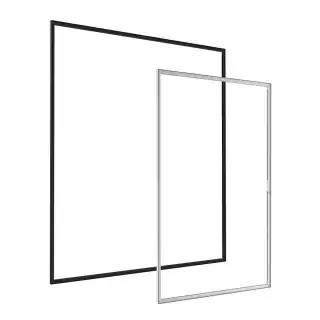
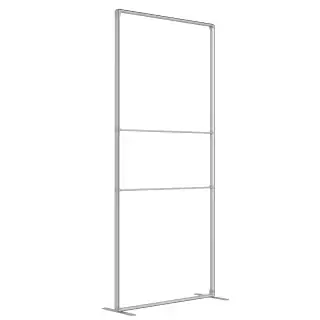
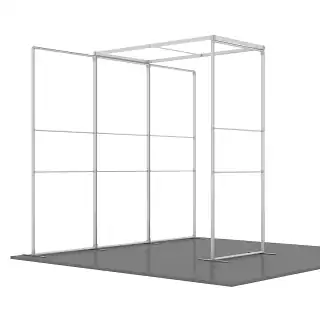
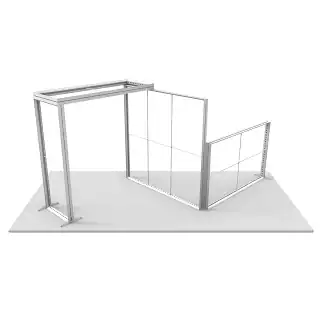
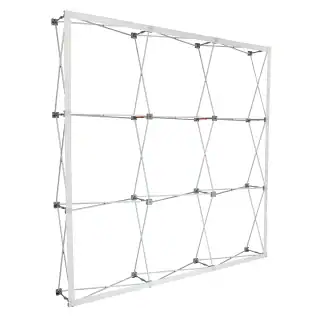
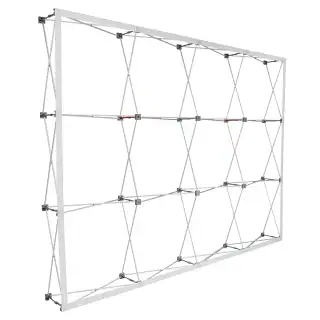
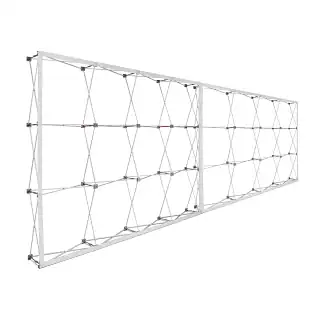
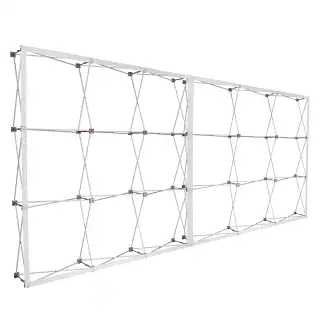
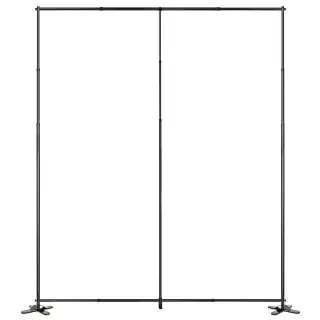
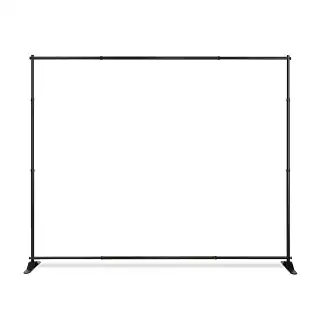
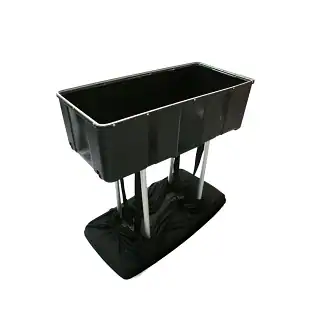

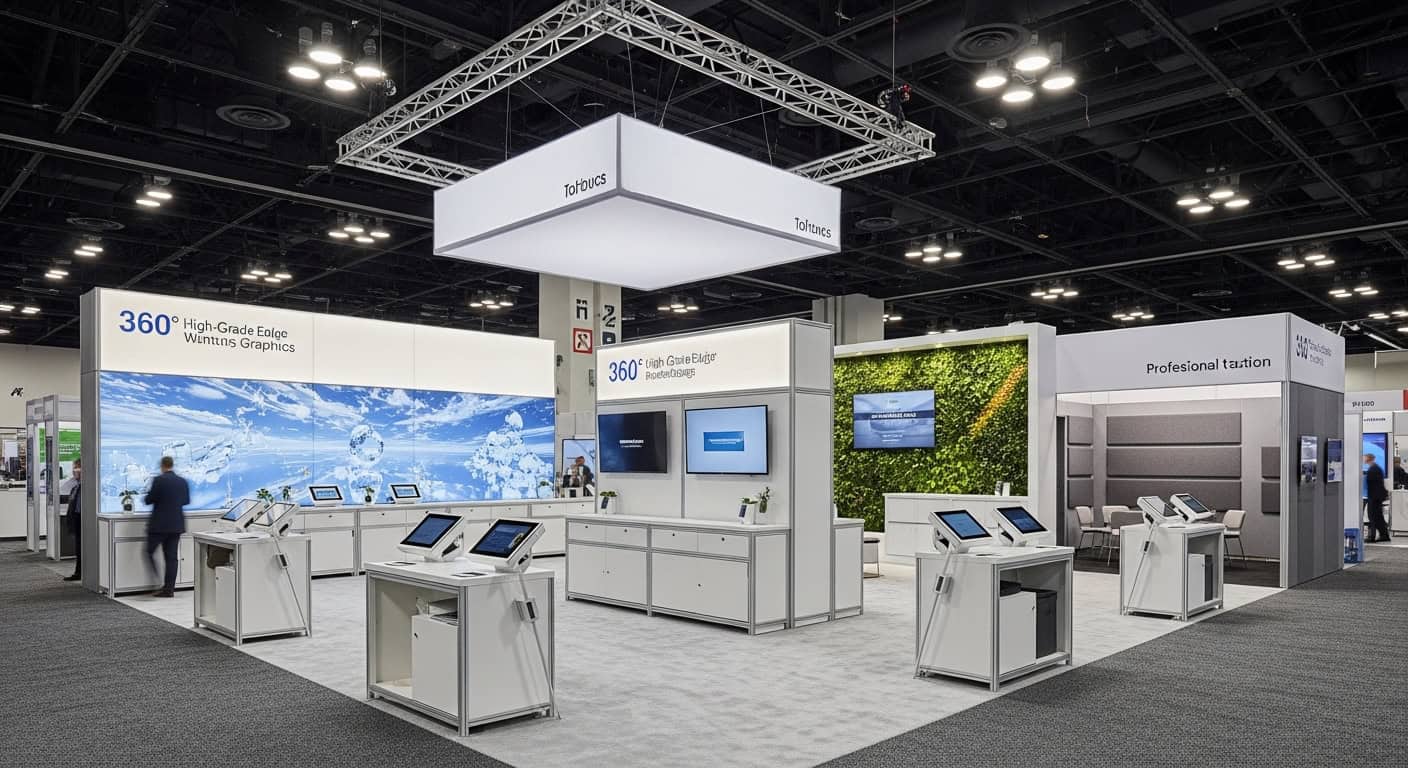
10×20 Booth Displays offer the perfect balance between space efficiency and strong visual impact. With 200 square feet of exhibit space, brands gain more flexibility than a compact 10×10 layout while maintaining manageable setup and logistics. However, elevating brand presence requires more than additional width. It demands structured design, clear messaging, and controlled visitor flow.
When properly engineered, a 10×20 layout becomes a performance-driven engagement platform. It supports product demonstrations, layered communication, and meaningful conversations without overwhelming visitors.
1. Understand the Advantage of a 10×20 Footprint
A 10×20 configuration doubles the frontage of a standard inline booth. This extended width increases aisle visibility and allows for more intentional zoning.
The primary advantages include:
- Expanded graphic surface for brand messaging.
- Additional room for product demonstrations.
- Improved traffic capacity without congestion.
However, size alone does not elevate presence. Design discipline determines impact.
2. Structure the Booth into Clear Functional Zones
Effective 10×20 Booth Displays rely on segmentation. Without zoning, the booth becomes a flat wall with scattered activity.
Use a structured three-zone layout:
- Front zone for attraction and initial engagement.
- Middle zone for product interaction or demos.
- Rear zone for deeper conversations and lead capture.
This layered approach mirrors visitor intent. Casual attendees stay near the edge. High-intent prospects move inward.
3. Build Strong Visual Hierarchy
Clarity improves brand recall. A 20-foot width can easily become cluttered if hierarchy is ignored.
Follow this structure:
- Logo positioned high for long-range visibility.
- Primary headline at eye level.
- Supporting text limited and easy to scan.
Overloaded messaging weakens authority. Focused messaging elevates presence.
4. Use Vertical Elements to Enhance Authority
Although a 10×20 booth remains inline, vertical emphasis strengthens visual dominance.
Design enhancements include:
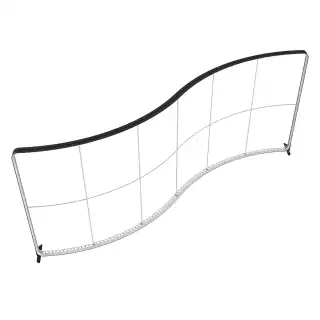
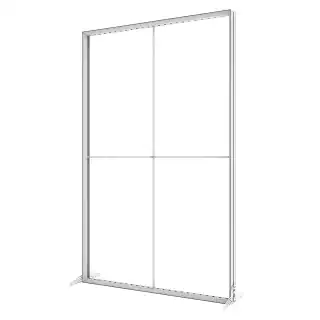
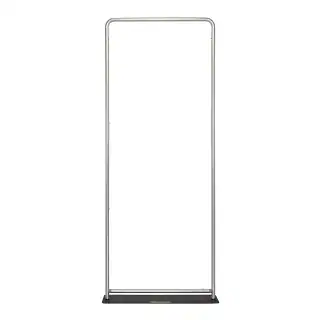
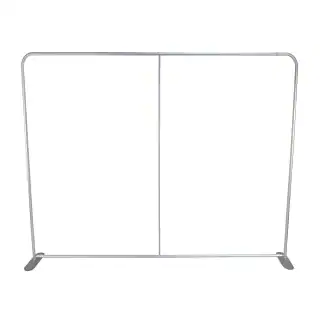
- Tall tension fabric backwalls.
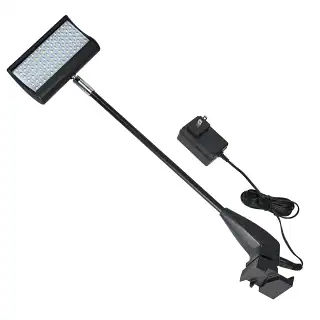
- Integrated LED displays.
- Illuminated dimensional logos.
Height attracts attention above competing booths and increases brand recognition from distance.
5. Control Visitor Flow to Avoid Congestion
Traffic control directly impacts engagement quality. Poor flow discourages entry.
To maintain balance:
- Keep the front open and inviting.
- Avoid full-width counters at the aisle edge.
- Offset demo stations slightly to create depth.
Visitors should feel guided, not blocked.
6. Separate Demonstration from Conversation Areas
10×20 Booth Displays provide enough depth to divide engagement and conversion spaces effectively.
Consider:
- Front interaction space for quick introductions.
- Central demo station for product showcases.
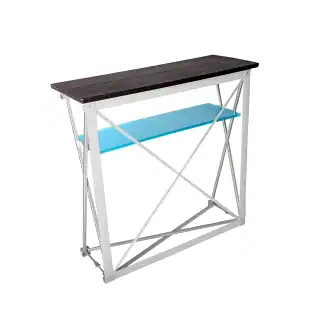
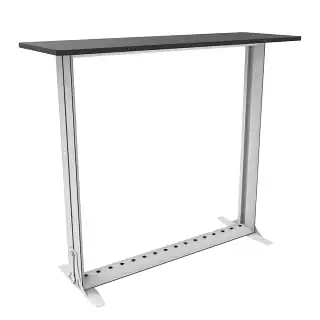
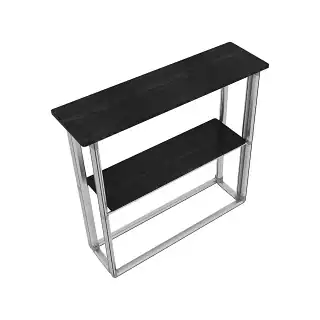
- Rear high-top table for qualified discussions.
Clear separation increases lead quality and reduces interruption during important conversations.
7. Use Lighting to Create Contrast and Depth
Trade show venues typically provide uniform overhead lighting. Strategic lighting differentiates serious exhibitors.
Layer lighting carefully:
- Ambient lighting for overall visibility.
- Accent lighting for brand features.
- Task lighting for product highlights.
Contrast enhances visual presence without overwhelming the layout.
8. Maintain Clean Execution with Hidden Storage
Professional execution reinforces brand credibility. Visible clutter damages perception instantly.
Include:
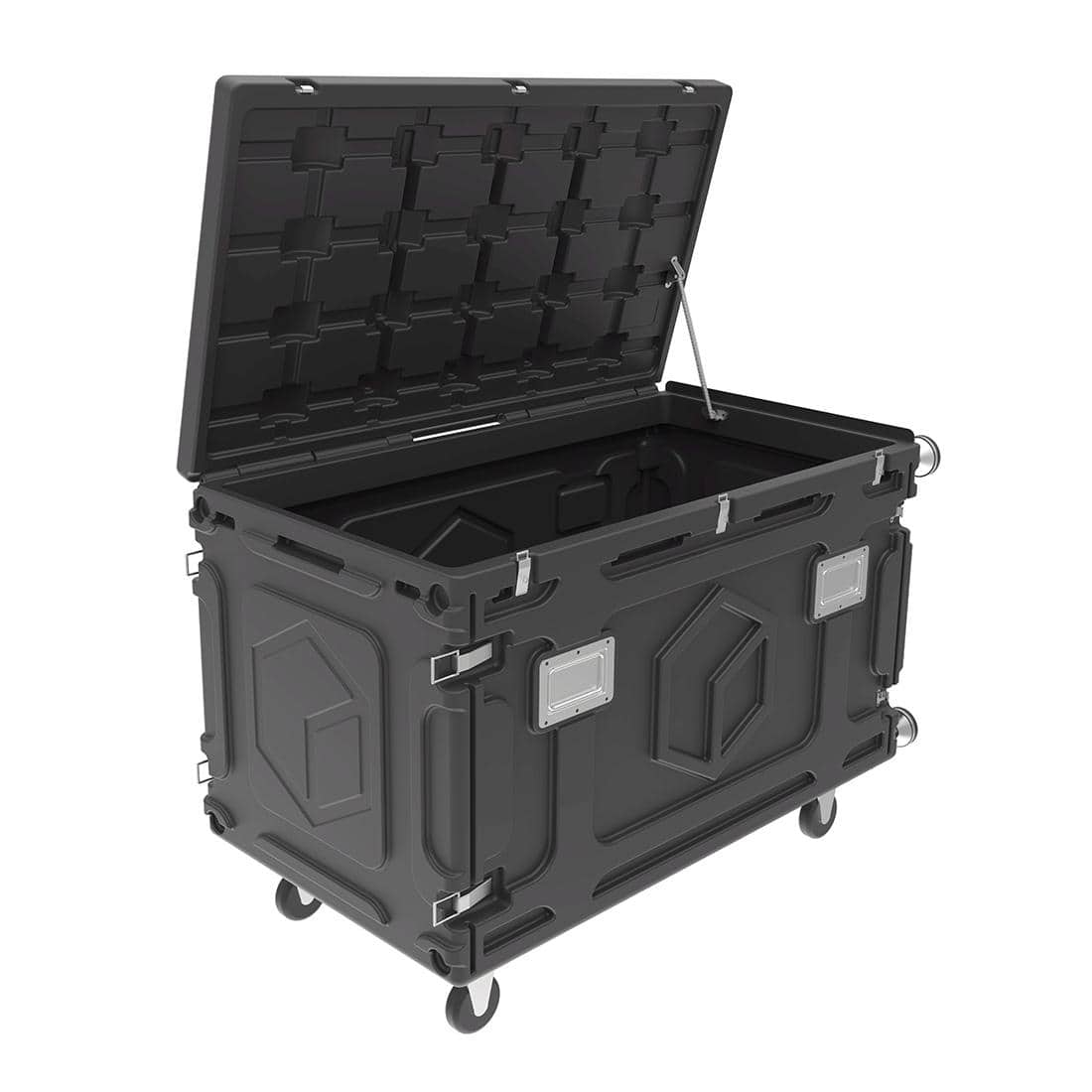
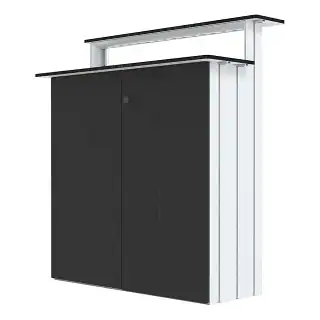
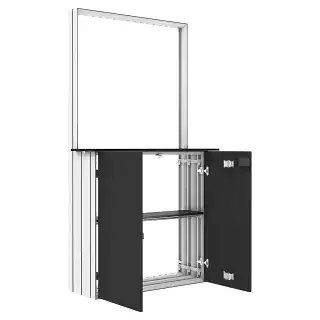
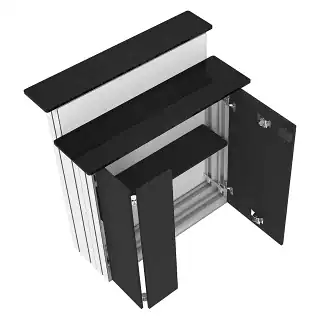
- Hidden storage cabinets behind backwalls.
- Concealed cable routing.
- Defined staff standing positions.
A clean booth communicates organization and authority.
9. Optimize Messaging for Distance and Engagement
Effective 10×20 Booth Displays communicate clearly at multiple distances. From 20 feet away, messaging must be bold and simple. Up close, it should support deeper engagement.
Messaging structure should include:
- Large, readable headline.
- Clear value proposition statement.
- Detailed content only within engagement zones.
Layered messaging prevents overload and improves comprehension.
10. Measure Impact and Refine Strategy
Elevated brand presence should translate into measurable performance.
Track meaningful metrics:
- Dwell time inside the booth.
- Engagement depth per visitor.
- Qualified lead percentage.
- Post-event conversion rates.
Data-driven evaluation improves future design decisions and maximizes return on investment.









 5101 Commerce Dr., Baldwin Park, CA 91706
 ExhibitorLive 2026 , Mar 30-April 1, Tampa , FL , Booth #237