


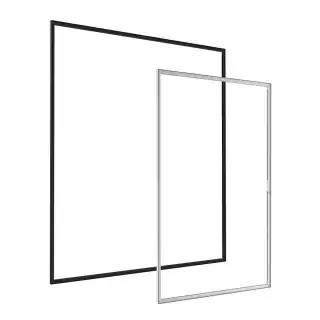
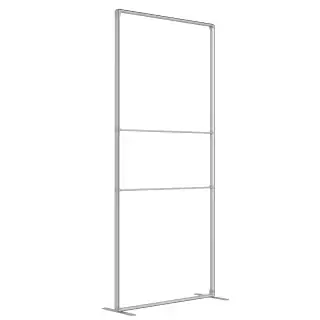
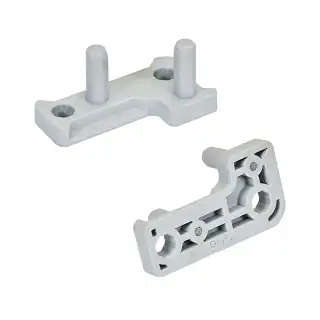
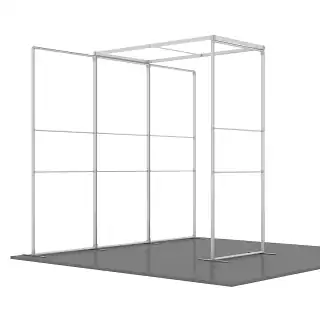
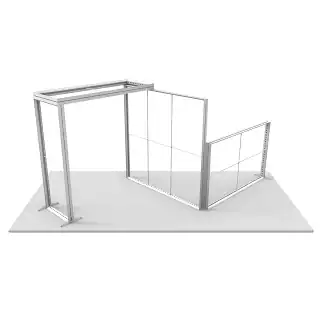
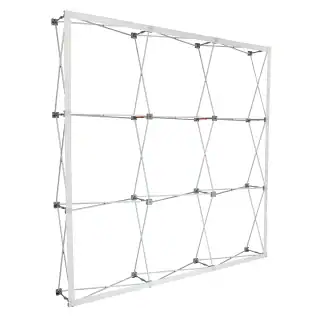
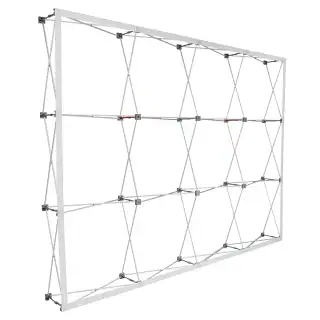
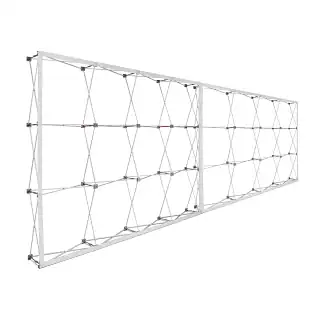
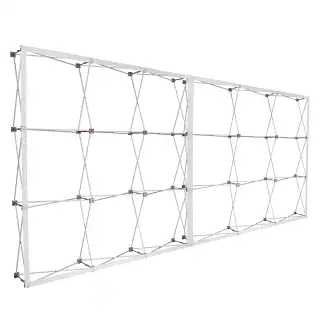
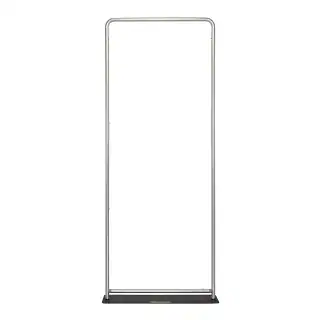
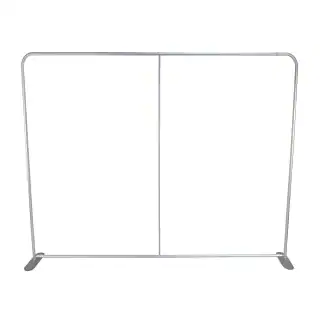
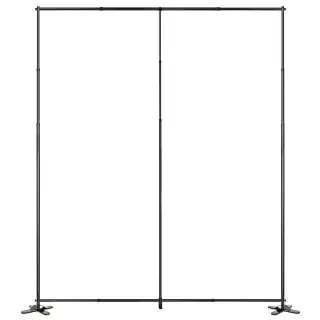
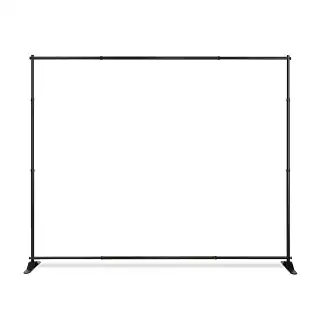
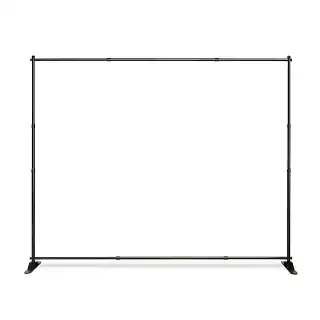
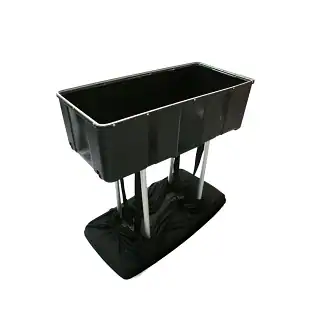
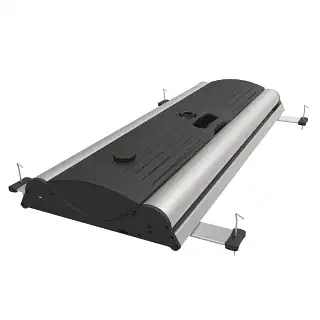
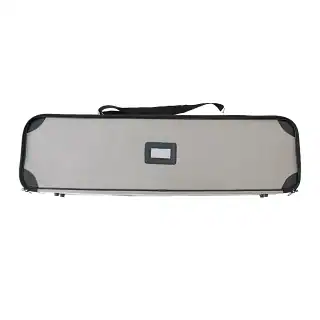
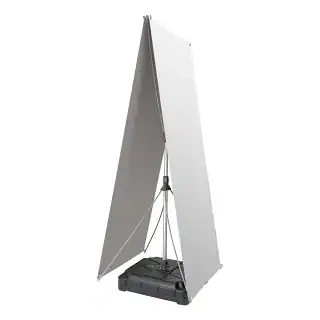
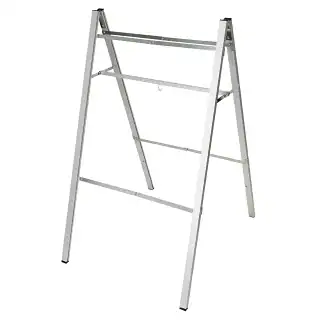
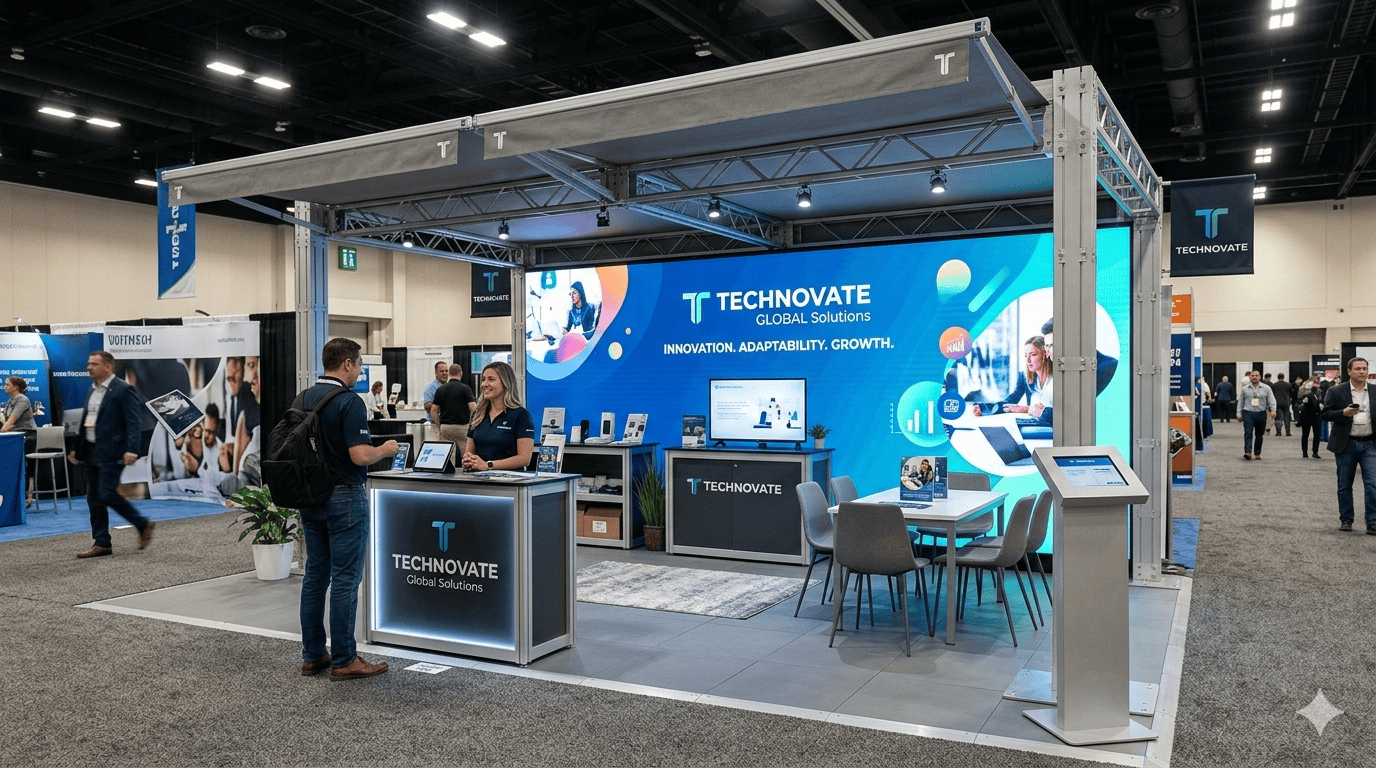
Indoor 10×20 Booths provide a flexible foundation for brands that exhibit across multiple environments. Whether positioned inside a convention center or adapted for outdoor activations, a 10×20 footprint offers balanced visibility, manageable logistics, and structured engagement space. However, versatility requires strategic planning to ensure consistent performance in both controlled indoor venues and unpredictable outdoor conditions.
When designed correctly, a 10×20 layout becomes a scalable marketing platform that supports demonstrations, lead capture, and brand authority across diverse event formats.
1. Why the 10×20 Footprint Offers Strategic Balance
A 10×20 booth doubles the frontage of a standard 10×10 while maintaining a practical depth for structured zoning. This balance allows exhibitors to increase visual presence without committing to large island builds.
The advantages include:
- Extended graphic surface for clear messaging.
- Dedicated demo and interaction space.
- Improved traffic flow capacity.
Indoor 10×20 Booths are especially effective because they combine flexibility with operational simplicity.
2. Designing for Indoor Performance
Indoor exhibitions offer controlled lighting, stable flooring, and predictable traffic flow. However, competition for visibility remains high.
To maximize indoor performance:
- Use tall backwalls for vertical authority.
- Position logos high for distance visibility.
- Keep the front open for seamless entry.
Layered lighting enhances contrast against standard exhibition hall illumination.
3. Adapting the Same Structure for Outdoor Events
Outdoor events introduce environmental variables such as wind, sunlight, and uneven ground. Booth design must adapt without compromising branding.
Key considerations include:
- Weather-resistant materials.
- Secure anchoring systems.
- UV-protected graphics.
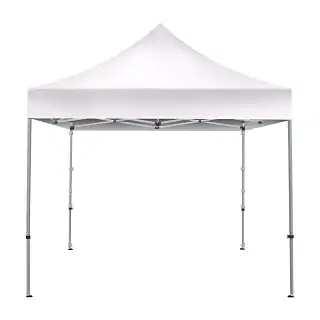
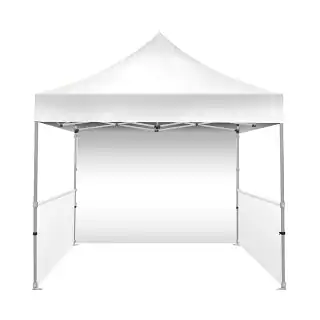
- Optional canopy or tent integration.
Versatile systems allow Indoor 10×20 Booths to transition into outdoor-ready configurations with minimal structural change.
4. Zoning for Engagement Across Environments
Whether indoors or outdoors, zoning remains essential. A structured layout improves visitor flow and engagement quality.
Use a three-part approach:
- Front zone for attraction and quick introductions.
- Middle zone for product interaction.
- Rear zone for sales conversations.
Outdoor spaces may require wider circulation paths, while indoor spaces allow tighter segmentation.
5. Lighting Strategies for Indoor and Outdoor Use
Lighting must adapt to environment. Indoor venues rely on accent and task lighting to stand out. Outdoor events require visibility under natural daylight.
Effective strategies include:
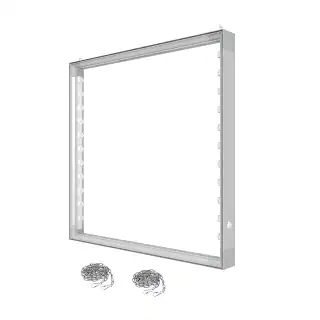
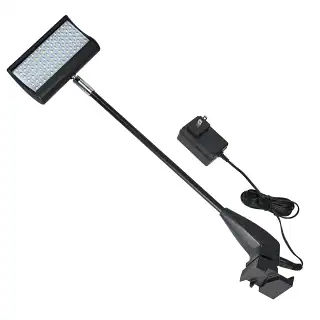
- LED backlighting for logo emphasis.
- Portable lighting towers for outdoor setups.
- Balanced ambient lighting for indoor contrast.
Lighting consistency reinforces brand recognition across event types.
6. Structural Durability and Material Selection
Material quality directly affects long-term versatility. Indoor 10×20 Booths intended for multi-environment use should incorporate durable frame systems and modular panels.
Important features include:
- Aluminum or reinforced frame construction.
- Fabric graphics that resist wrinkles.
- Weather-tolerant finishes.
Durability reduces replacement costs and improves ROI.
7. Maintain Visual Hierarchy for Brand Authority
Regardless of location, visual clarity must remain consistent. Strong hierarchy ensures messaging remains effective from distance.
Best practices:
- Large headline readable from 15–20 feet.
- Minimal supporting text.
- High-contrast color combinations.
Clarity increases memorability and strengthens brand presence.
8. Optimize Storage and Operational Efficiency
Operational efficiency influences perception. Clean setups signal professionalism.
Include:
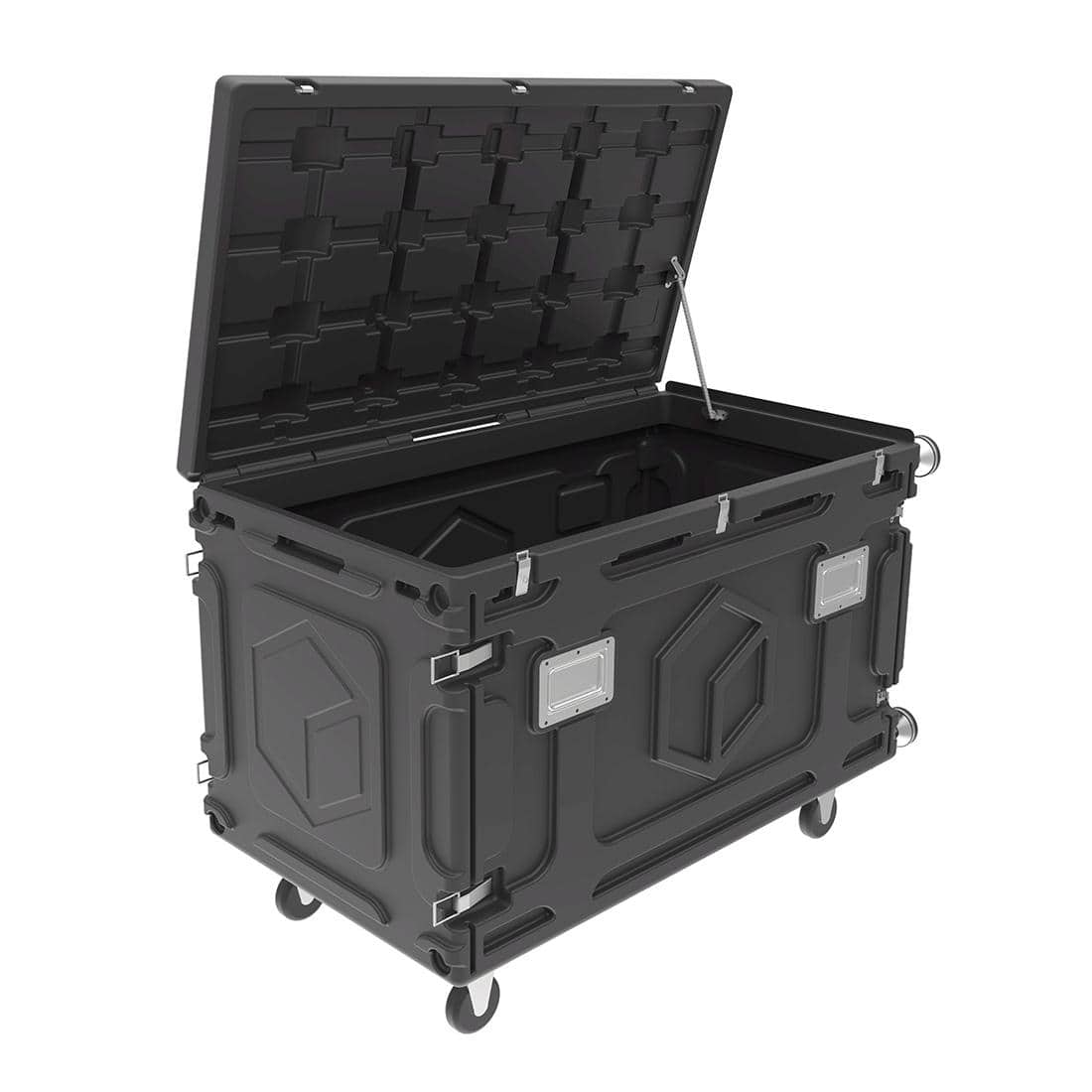
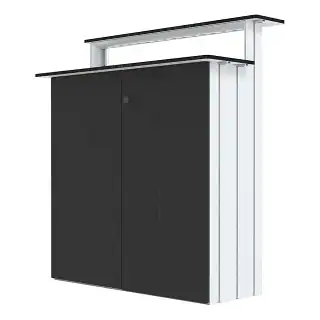
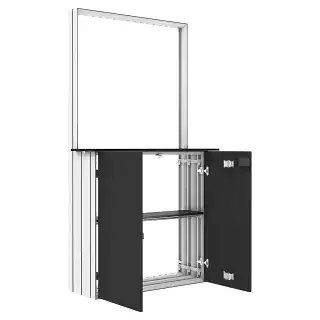
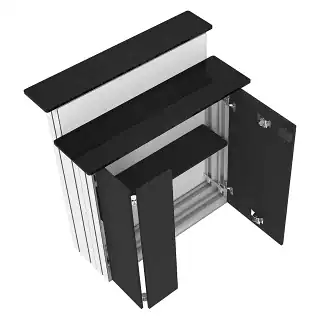
- Concealed storage cabinets.
- Hidden cable management systems.
- Defined staff zones to prevent congestion.
Efficient layout supports both indoor polish and outdoor practicality.
9. Ensure Seamless Modular Reconfiguration
Versatile exhibiting requires modular adaptability. Indoor 10×20 Booths designed with scalable components can convert into smaller or larger configurations when needed.
Benefits include:
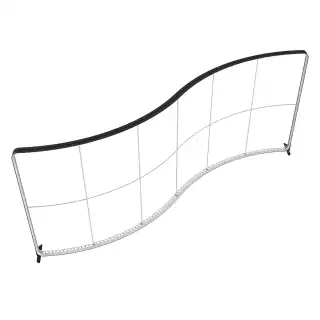
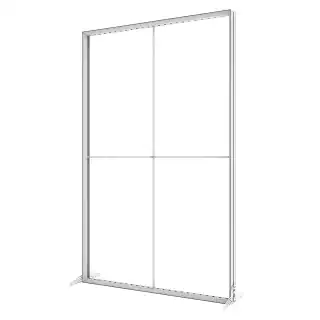
- Reconfigurable panels.
- Interchangeable graphic sections.
- Efficient shipping and storage.
Scalability protects long-term investment and simplifies logistics.
10. Measure Performance Across Event Types
Indoor and outdoor events may generate different engagement patterns. Performance metrics should reflect these variations.
Track:
- Dwell time inside the booth.
- Engagement depth.
- Qualified lead percentage.
- Post-event conversion results.
Data analysis ensures continuous improvement across all exhibiting environments.









 5101 Commerce Dr., Baldwin Park, CA 91706
 ExhibitorLive 2026 , Mar 30-April 1, Tampa , FL , Booth #237