

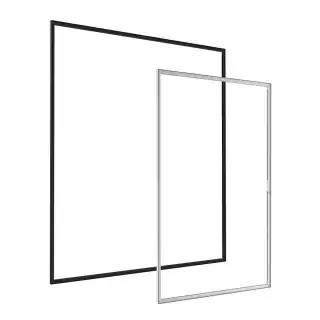
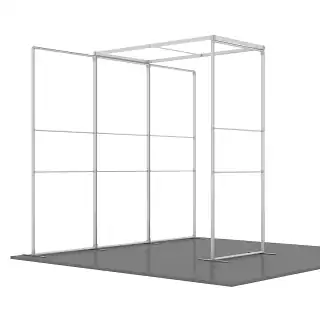
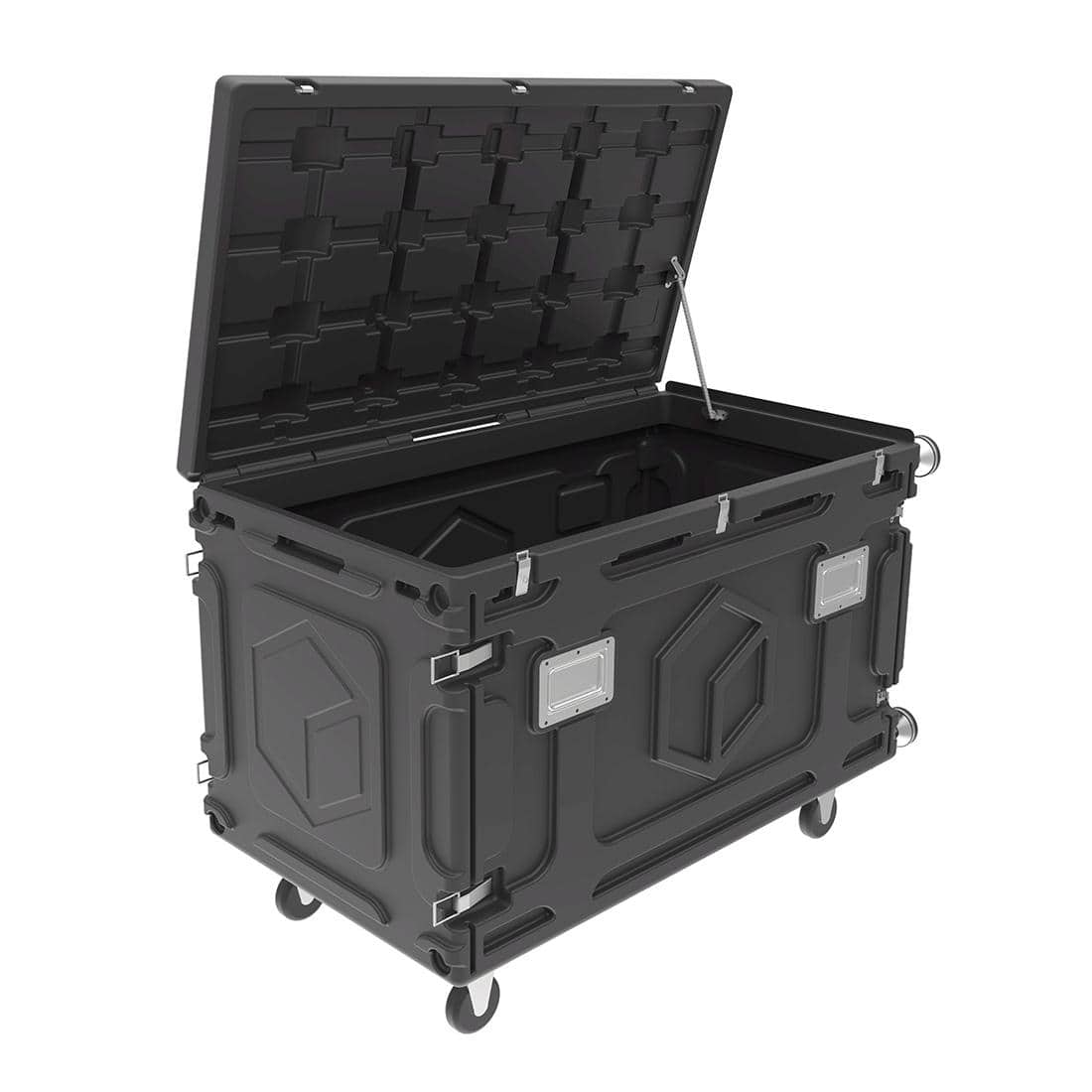

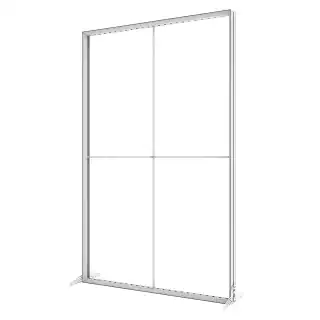
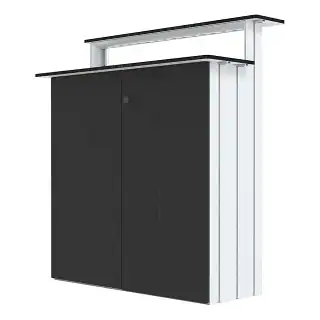
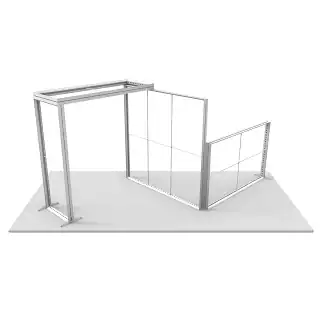
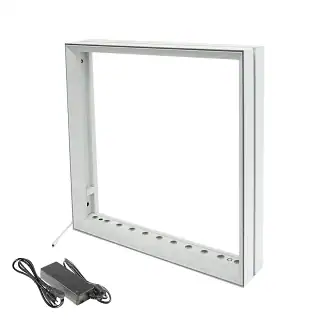
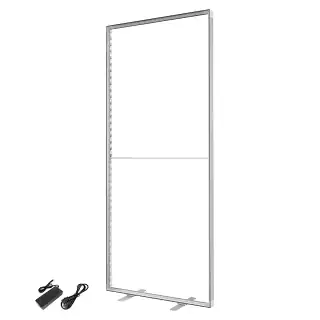

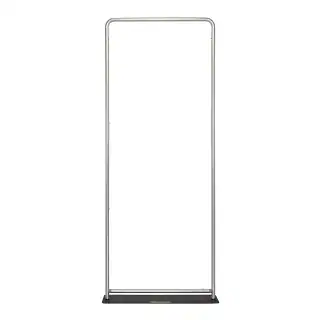
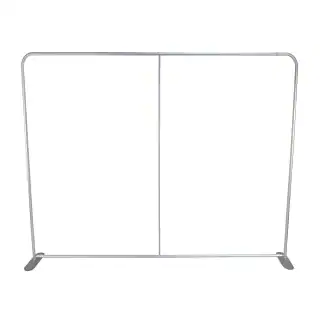
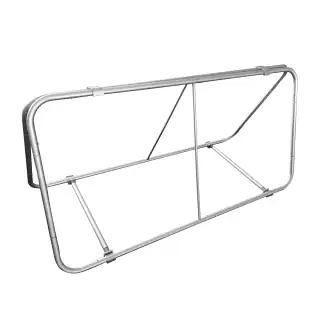



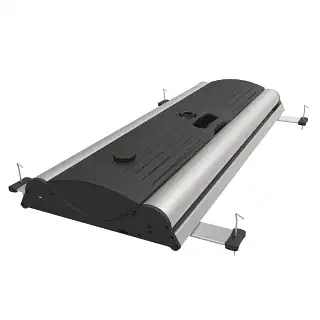
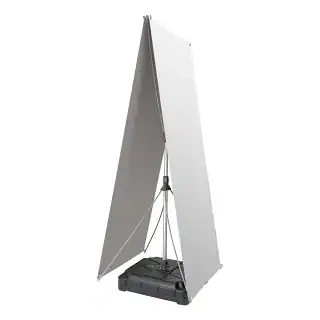

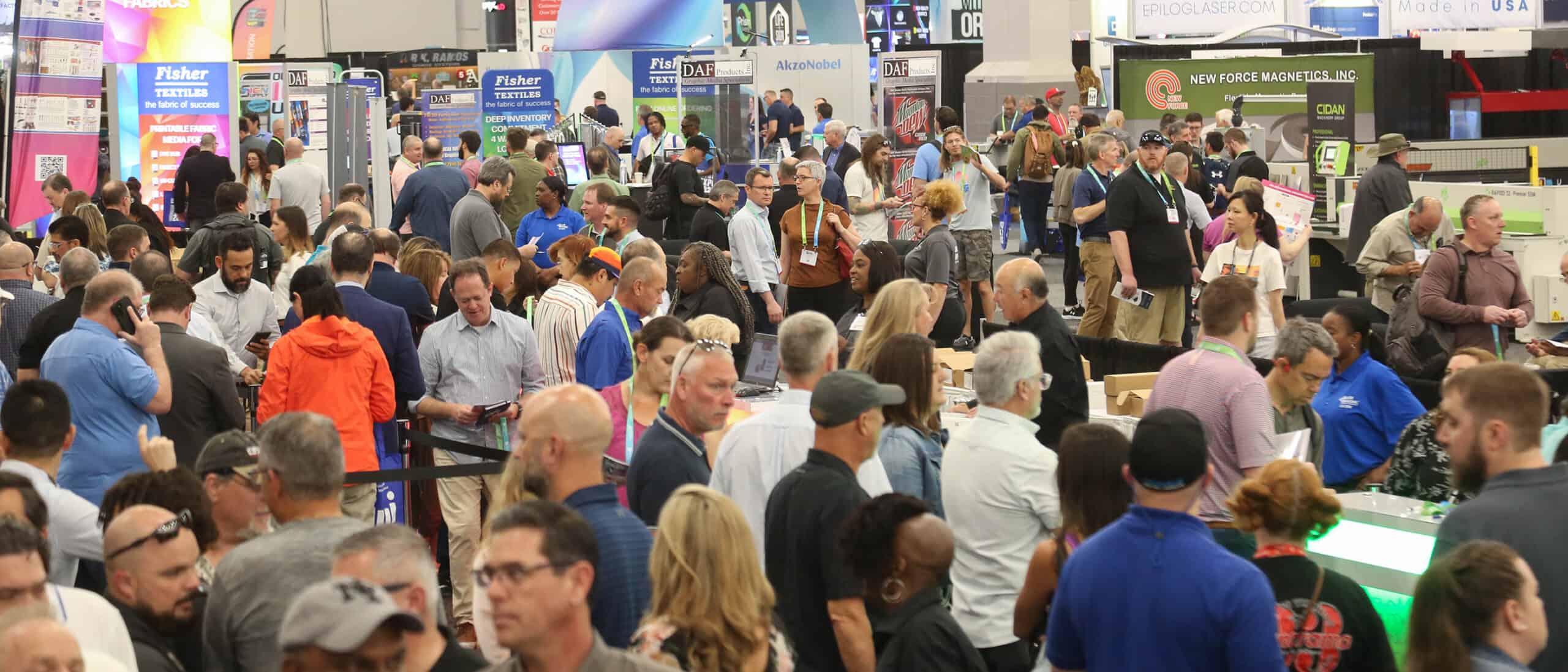
At any trade show, hundreds of booths compete for attention. But amidst the chaos of chatter, colors, and motion, one element cuts through more effectively than most: light. Specifically, the science behind how light interacts with human psychology explains why displays like the Backlit Trade Show Display have become essential tools for drawing in event traffic.
Bright, illuminated displays aren’t just aesthetically pleasing—they trigger instinctive responses in the brain that influence perception, mood, and behavior. Let’s break down why and how light-based displays significantly increase engagement on the trade show floor.
First Impressions: The Brain is Wired for Light
From the moment we step into a space, our brains begin filtering visual stimuli. Light plays a key role in that sorting process. Humans are naturally attracted to brightness because of evolutionary biology. In nature, light signals safety, direction, and activity—where there’s light, there’s life.
When visitors walk past a booth, their brains subconsciously prioritize brighter visuals. An illuminated backdrop taps into that instinctual attention filter. Even if attendees aren’t actively looking at a booth, the glowing effect of a modern, LED-lit display tends to draw their gaze. That visual magnetism offers brands a crucial first advantage in a high-traffic environment.
Emotional Impact: How Light Affects Mood and Memory
Color temperature and brightness levels influence how people feel in a space. Warmer lighting tends to feel inviting and comfortable, while cooler lighting feels energetic and professional. A well-balanced illuminated exhibit wall can subtly shape emotional response, increasing the likelihood of visitors staying longer and engaging more deeply.
In fact, studies in environmental psychology show that people remember bright, well-lit spaces more clearly than dimly lit ones. That means a booth outfitted with a smart lighting system is more likely to leave a lasting impression—something invaluable when visitors are moving from booth to booth and making decisions later.
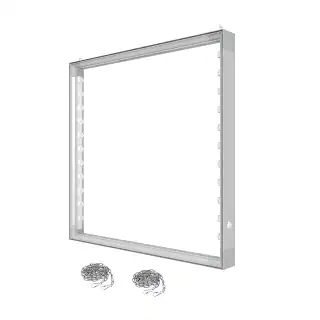
A Portable SEG LED Display, for example, doesn’t just support high-resolution graphics; it also amplifies those visuals through even, consistent lighting. This synergy of form and function elevates the message, whether it’s branding, product features, or storytelling.
Contrast, Clarity, and Control:
Lighting also enhances graphic legibility and contrast. A well-lit fabric display ensures your colors pop and your text remains readable even from a distance. This is especially important in crowded exhibit halls with uneven lighting or shadows from adjacent booths.
Using light as part of your visual design strategy gives you control over focal points. You can direct visitor attention to specific elements—logos, key messages, product imagery—by how you distribute brightness across the display. This gives your marketing team more precision when conveying brand narratives or launching new campaigns.
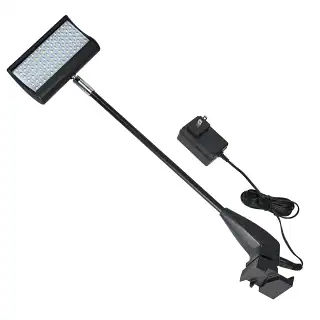
An illuminated banner stand or freestanding lightbox, when used strategically, can anchor a visitor’s field of vision. Once their attention is captured, it becomes easier to guide them into a conversation or demo, which is the first step toward lead conversion.
Movement vs. Stillness: Light as Passive Animation
While some booths try to stand out with motion—like rotating signage or videos—static lighted displays often achieve the same effect more subtly. Human eyes respond to changes in brightness just like they respond to movement. The glowing border of a backlit wall can appear more dynamic, even when stationary.
This passive animation draws attention without overwhelming visitors or distracting from your core message. It’s a visual tactic that remains effective throughout the event, requiring no screens, sounds, or motion graphics.
Efficiency Meets Engagement:
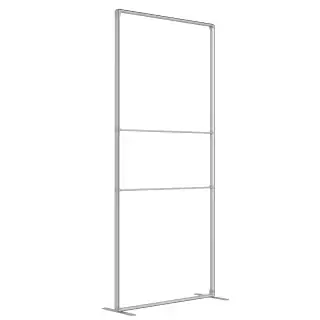
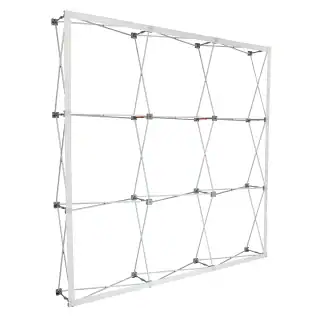
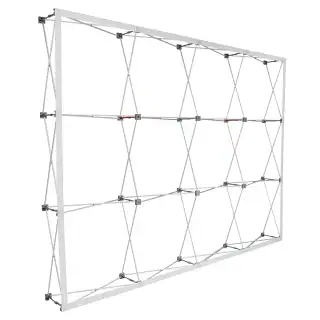
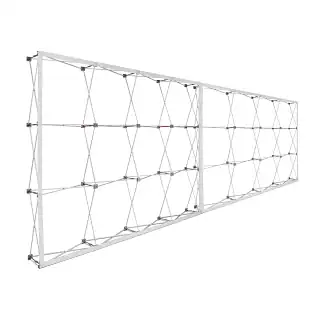
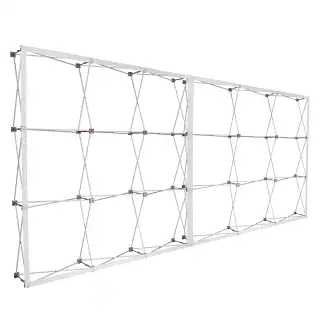
The beauty of light-enhanced modular displays is that they balance setup simplicity with high-impact design. For example, a modular backlit system like the Lucid 10ft is designed to deliver maximum brightness with minimal configuration. Teams can assemble these displays quickly, yet the end result still looks custom-built and premium.
This matters because in the fast-paced world of trade shows, efficiency translates directly into more time for meaningful visitor engagement. Exhibitors no longer have to choose between speed and visual appeal—they can have both.
A well-lit modular SEG trade show display system also offers flexibility. With lightweight frames and tension fabric graphics, brands can transport, assemble, and reconfigure their booth layouts with ease—while maintaining a polished, professional look throughout.
Final Thoughts: Light as a Competitive Advantage
In a space where brands fight for limited attention, psychology-backed design decisions offer a measurable edge. Lighting isn’t just a functional feature—it’s a psychological tool that helps your booth stand out, stick in people’s memory, and invite more engagement.
Whether you’re using a backlit trade show system or experimenting with glowing modular displays, understanding the science of light can help you elevate your entire event presence. Light doesn’t just brighten your booth—it amplifies your brand, shapes perception, and drives results.









 5101 Commerce Dr., Baldwin Park, CA 91706
 ExhibitorLive 2026 , Mar 30-April 1, Tampa , FL , Booth #237