


Understanding Silicone Edge Graphics:
To understand the display, you first have to understand the technology behind the “SEG” acronym. At its core, an SEG is a high-resolution tension fabric graphic that features a thin silicone strip sewn directly into its edges. This strip—often referred to as a “keder”—is the secret to the system’s success.
What “silicone edge” really means:
The “silicone edge” is a flexible, durable gasket made of silicone or PVC. During the manufacturing process, a finishing specialist sews this strip along the perimeter of a dye-sublimated fabric print. The strip is typically about 3mm to 14mm thick, depending on the frame system being used. Because the silicone is sewn to the back edge of the fabric, it remains invisible once the display is fully assembled, allowing the image to extend from edge to edge without a visible border.
How SEG frames hold tension fabric:
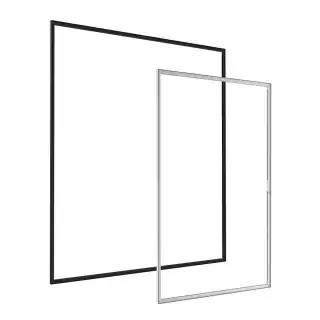
The magic happens when the silicone strip meets the aluminum frame. SEG frames are engineered with a recessed groove or “channel” along their perimeter. To install the graphic, you simply tuck the silicone edge into the groove. As the silicone is pressed into the channel, it pulls the fabric taut across the face of the frame. This creates a drum-like tension that eliminates wrinkles and ripples, resulting in a perfectly flat, professional surface.
What Is an SEG Wall Mount Display?
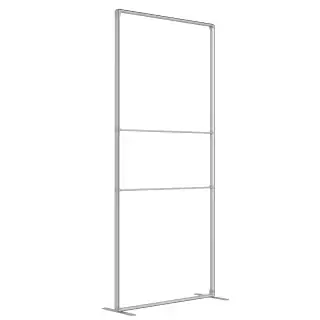
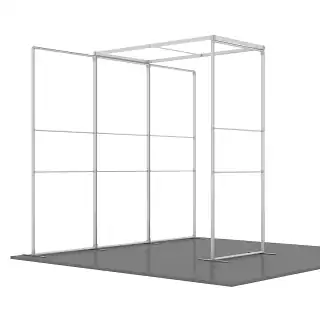
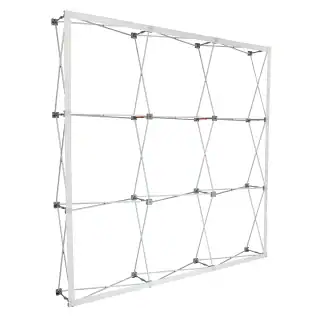
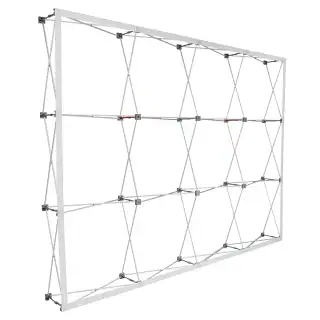
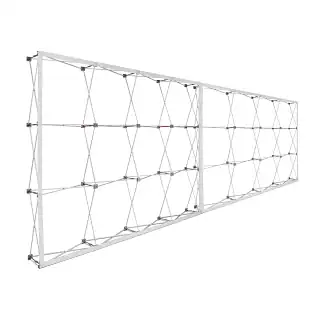
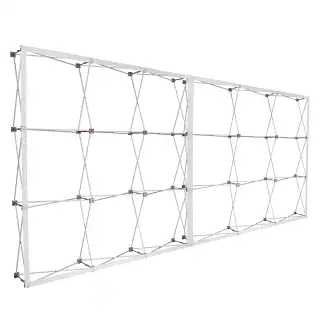
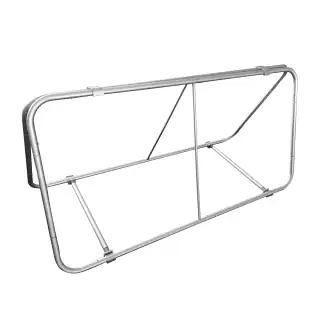
While SEG technology can be used for freestanding towers or hanging cubes, the SEG Wall Mount is the most popular application for interior design and permanent branding. It is a slim-profile aluminum framing system designed to be bolted directly onto a flat wall surface, turning any drywall into a high-definition visual feature.
Frame design:
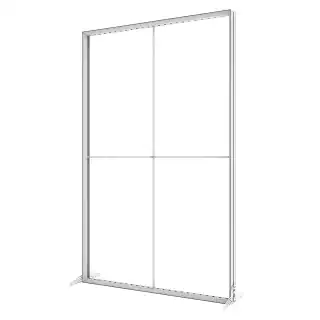
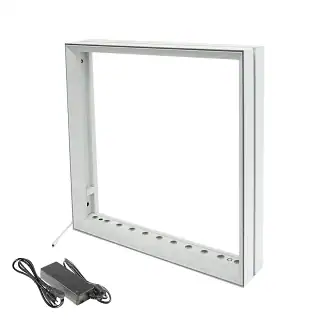
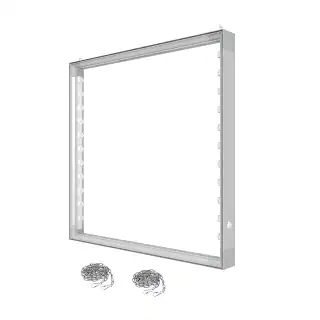
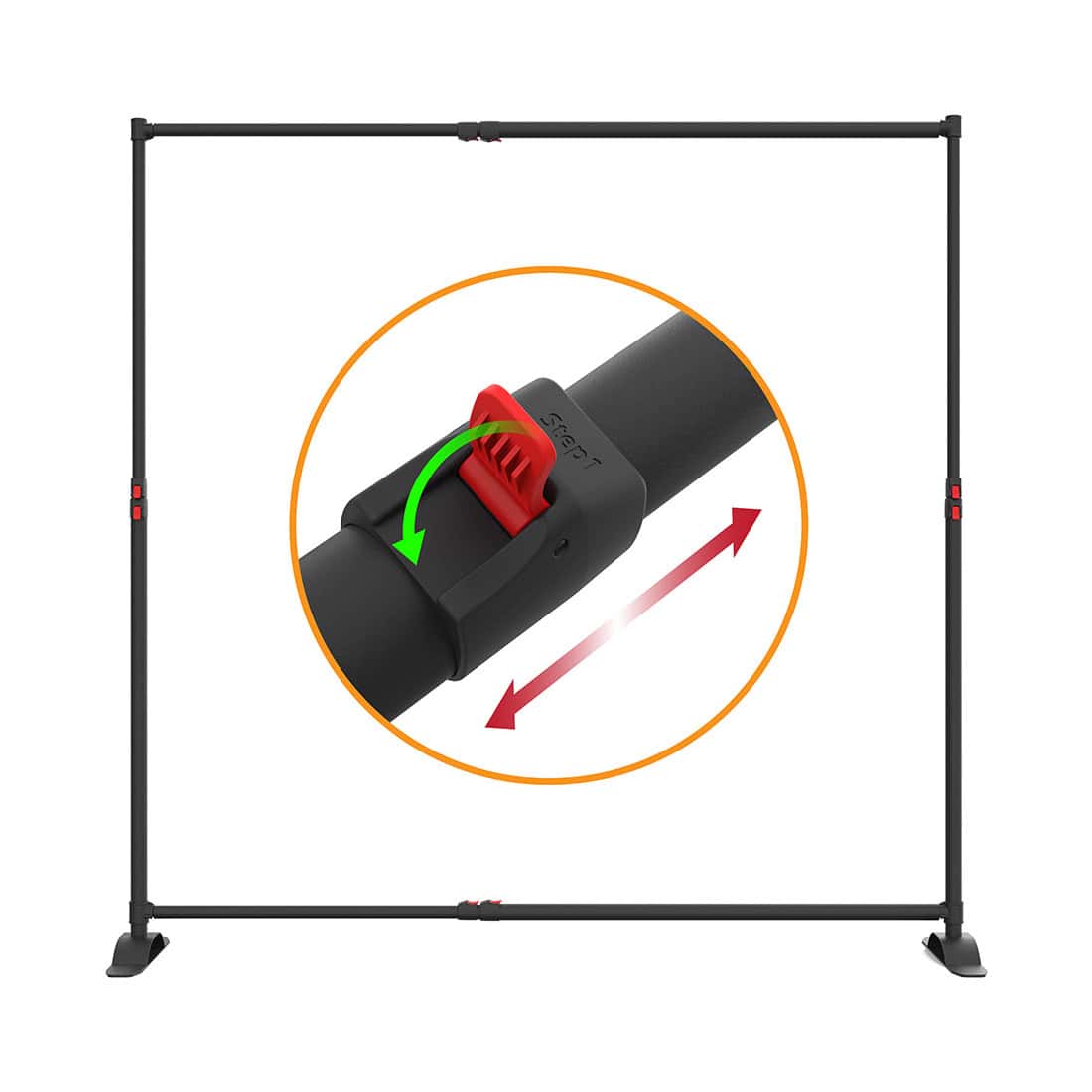
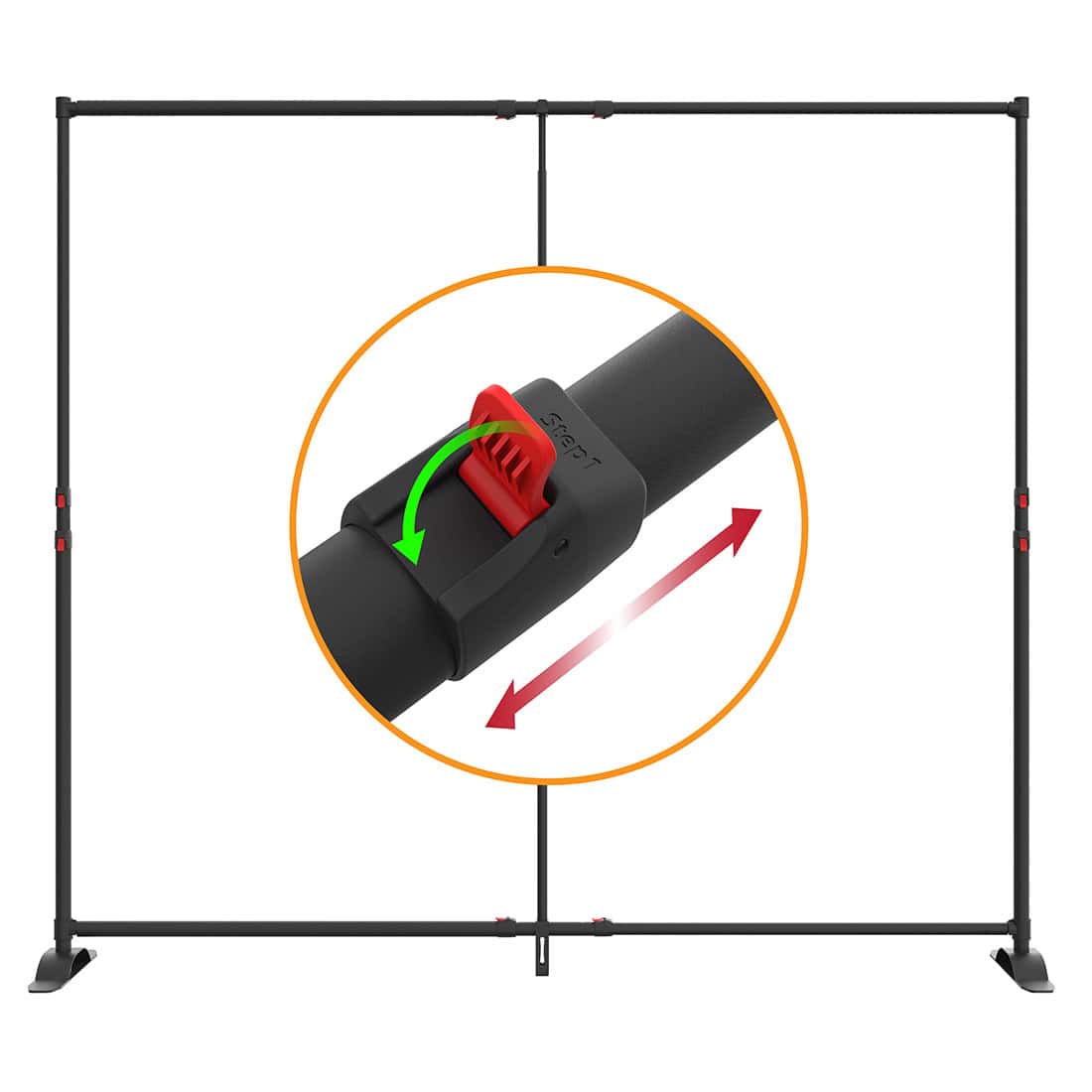
SEG wall mount frames are typically made from lightweight, extruded aluminum. Because the fabric covers the front of the frame, these displays are often called “borderless.” Frames come in various depths:
- Standard Wall Mount: Typically 1 inch deep; ideal for non-lit high-definition murals.
- Backlit Wall Mount: Typically 3 to 5 inches deep; designed to house LED modules for an illuminated “light box” effect.
Snap-in fabric installation:
One of the primary selling points of the SEG wall mount is the ease of installation. Once the frame is mounted, no specialized tools are required to change the graphics:
- Corners first: Push the silicone keder into the four corners of the frame.
- Middles second: Push the keder into the center of each side.
- Finish the perimeter: Work your way from the centers toward the corners.
Where SEG Wall Displays Are Used:
The versatility of SEG wall mounts makes them a favorite across multiple industries:
- Retail Environments: Luxury boutiques use them for seasonal campaigns to elevate the perceived value of products.
- Corporate Offices: Used for “environmental branding” in lobbies to display mission statements or abstract art without glare.
- Trade Shows: Wall-mounted SEG frames create seamless backdrops that are lightweight to ship and simple to assemble.
- Exhibits and Museums: Because the fabric is non-reflective, it is the preferred choice for areas with heavy overhead lighting.
SEG Wall Displays vs. Traditional Snap-In Frames
| Feature | Traditional Snap Frame | SEG Wall Display |
|---|---|---|
| Visuals | Visible 1-2″ metal border | Borderless, edge-to-edge |
| Material | Paper or Thin Plastic | Tension Polyester Fabric |
| Reflection | High Glare | Zero (Matte finish) |
| Maintenance | Prone to yellowing/creasing | Washable & wrinkle-resistant |
Printing for Silicone Edge Graphics:
To achieve vibrant colors, Dye-Sublimation is the industry standard for SEG prints.
Fabric printing & Color Quality
In dye-sublimation, the ink is turned into a gas under high heat, allowing it to permeate the fibers of the polyester. This results in a permanent dye that won’t crack or peel. The fabric usually has a 3% to 5% stretch, which is vital for achieving that “drum-tight” tension when tucked into the frame.
Pros & Cons of SEG Walls:
Pros:
- The Aesthetic: Modern, high-end “art gallery” look.
- Ease of Change: No tools or professionals needed for graphic swaps.
- Shipping: Large graphics can be folded, drastically reducing logistics costs.
Cons:
- Initial Cost: Higher upfront hardware investment than vinyl.
- Precision: Requires exact measurements for a perfect fit.
- Indoor Only: Best suited for climate-controlled environments.










 5101 Commerce Dr., Baldwin Park, CA 91706
 ExhibitorLive 2026 , Mar 30-April 1, Tampa , FL , Booth #237