


What Are Frames for Fabric?
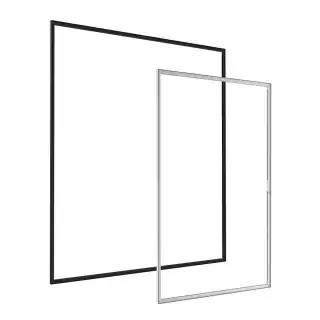
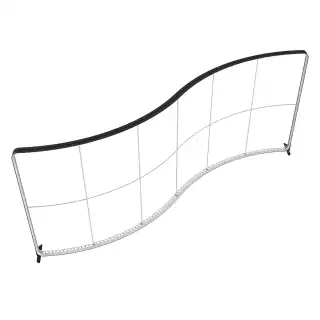
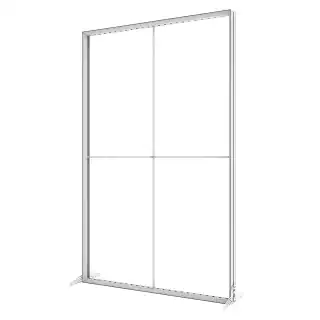
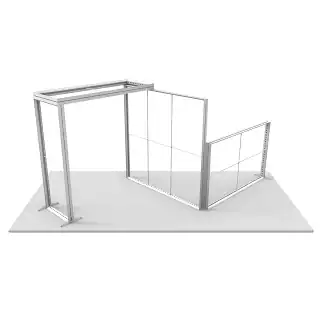
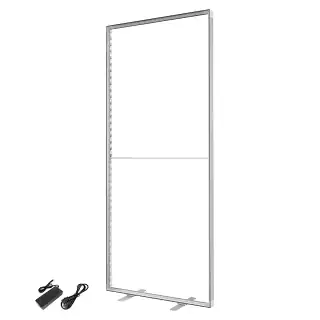
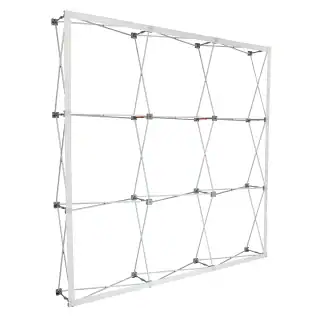
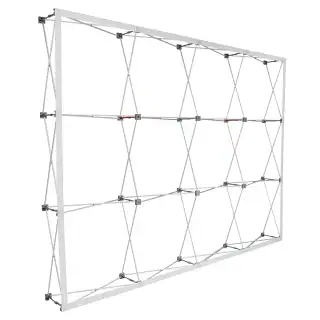
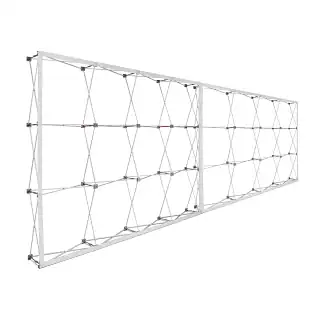
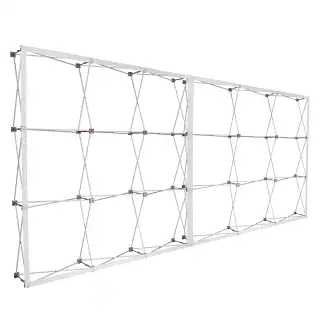
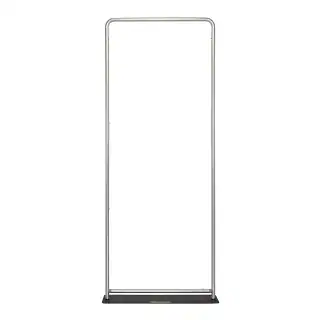
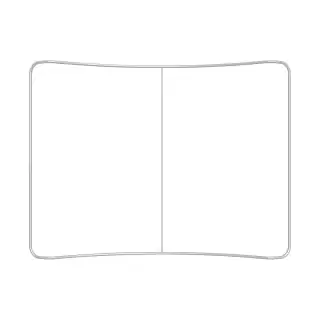
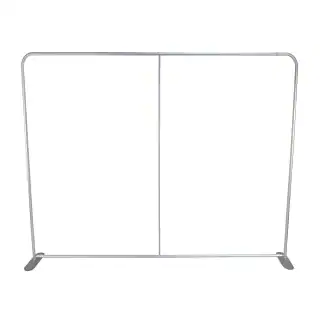
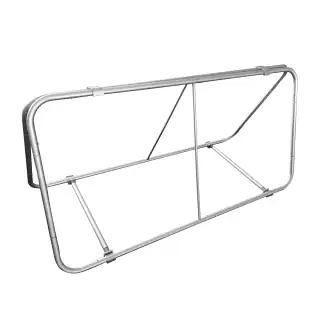
To the uninitiated, a “fabric frame” might sound like a simple wooden embroidery hoop, but in the realm of commercial signage, it is a precision-engineered aluminum extrusion system. These frames are designed specifically to hold high-tension polyester fabrics perfectly flat.
Unlike traditional frames that use glass, acrylic, or clips to hold a poster in place, fabric frames utilize a specialized “channel” or groove integrated into the aluminum profile. This design allows the graphic to extend from edge to edge, creating a “frameless” look that mimics a high-end canvas wrap but with the professional durability of architectural hardware.
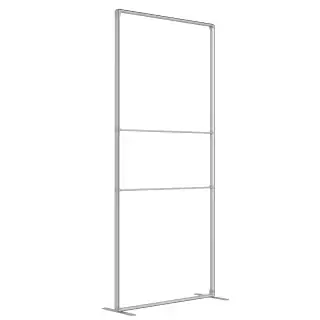
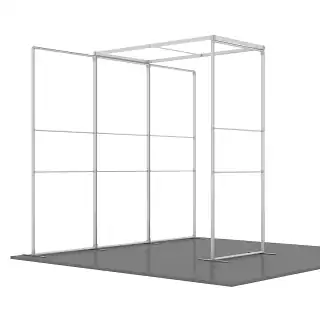
Fabric frames are categorized by their application: wall-mounted, freestanding, or hanging. However, the wall-mounted variety is the most common. It acts as a permanent “chassis” for your branding; once installed, the hardware stays in place, and you simply swap the fabric “skin” whenever your message or season changes.
Why Silicone Edge Graphic Frames Became Popular
The meteoric rise of SEG frames over the last decade is no accident. It was driven by three main factors that solved long-standing headaches in the signage industry:
- The Logistics Revolution: Large-scale rigid signs are a nightmare to ship. They require expensive freight and often arrive cracked or dented. SEG graphics can be folded into a small box and shipped via standard courier.
- The “Frameless” Aesthetic: Modern interior design favors “clean lines.” Traditional frames with thick borders distract from the artwork. SEG frames provide a gallery-quality finish that integrates seamlessly with architecture.
- Sustainability: Fabric is a significantly “greener” option than PVC-heavy vinyl. Most SEG fabrics are made from polyester, which is easier to recycle.
How SEG Wall Frame Systems Work
The functionality of an SEG system is a marvel of simple engineering, relying on the marriage of two components: the Aluminum Extrusion and the Silicone Keder.
The Anatomy of the Frame
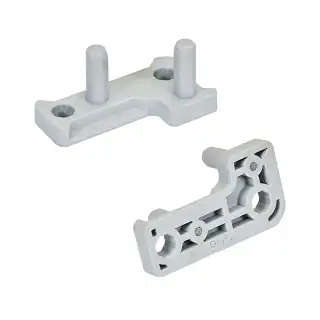
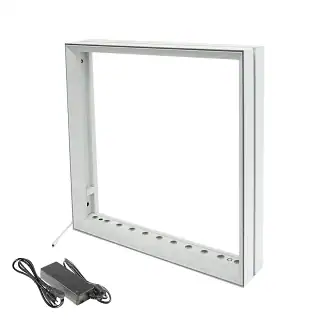
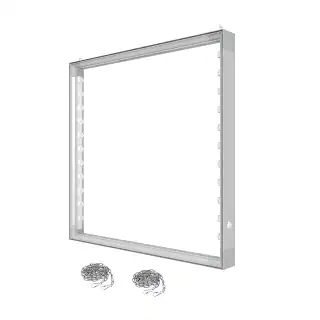
The frame consists of aluminum bars cut to specific lengths and joined at the corners with internal L-brackets. Running along the perimeter is a recessed groove, typically about 12mm to 15mm deep.
The Silicone Keder
The graphic is printed on specialized polyester knit. A thin, flexible strip of silicone (the keder) is sewn directly to the edge of the fabric. This strip is designed to be slightly thicker than the groove in the frame, creating a perfect friction fit.
The Installation Process
To install the graphic, you start by tucking the silicone strip into the four corners of the frame. Once the corners are anchored, you push the remaining strip into the groove along the sides. As the keder is pressed in, it pulls the fabric taut. The result is a drum-tight surface with no visible sagging, ripples, or waves.
SEG Wall Mount Options (Depths, Sizes, Colors)
One size does not fit all. SEG wall frames are highly customizable to suit the architectural needs of a space.
Frame Depths
The “depth” of the frame determines how far it protrudes from the wall:
- Ultra-Slim (16mm – 20mm): Nearly flush with the wall, perfect for narrow hallways or high-traffic retail aisles.
- Standard (25mm – 40mm): The industry standard for non-lit graphics, offering a sturdy, professional profile.
- Deep/Backlit (60mm – 120mm): These are designed to house internal LED modules. The extra depth allows light to “bloom” evenly across the fabric.
Custom Sizes and Colors
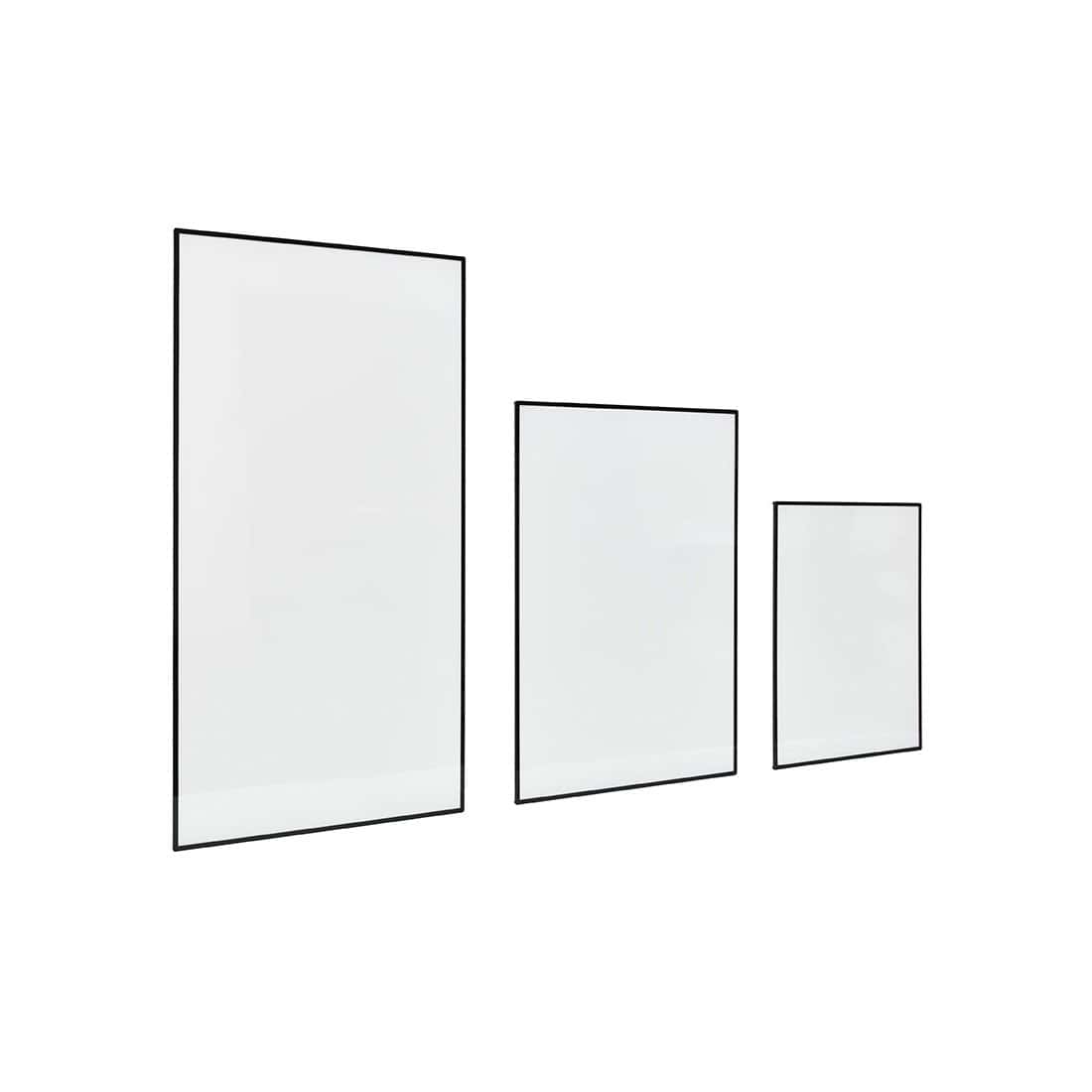
Because aluminum extrusions can be cut to any length, you can create small accents or 50-foot murals. While Satin Silver is the standard finish, many manufacturers offer powder coating in Matte Black or Gloss White.
Best Uses for SEG Wall Displays
Where should you deploy an SEG wall frame? They shine brightest where quality and frequent updates are required:
- Retail Hero Displays: Ideal for behind cash wraps where seasonal branding changes frequently.
- Corporate Lobbies: Transforming a sterile office wall into a vibrant brand story mural.
- Museums & Galleries: The non-reflective nature of polyester fabric is perfect for informational boards.
- Healthcare: Creating “healing environments” with large-scale nature scenes.
- Trade Shows: Adding a premium, custom-built look to standard booth walls.
Budget & Lifetime Value
While an SEG system may cost 20–30% more for the initial installation compared to adhesive vinyl, the Total Cost of Ownership (TCO) is significantly lower.
- Zero Labor Costs: You don’t need a certified installer to peel off old vinyl. Anyone on your team can swap an SEG graphic in 10 minutes.
- Hardware Durability: The aluminum frame can last 15+ years. You only pay for the fabric prints after the initial setup.
- Shipping Savings: Folding a 10-foot graphic into a small box saves hundreds of dollars in freight costs.
Choosing the Right Wall-Mounted SEG Frame
Before ordering, ask yourself these three critical questions to ensure the best fit for your project:
- Does it need to be lit? Illuminated SEG (Lightboxes) require a deeper frame (60mm+) and an electrical outlet.
- What is the wall surface? Ensure your mounting hardware is appropriate for drywall, brick, or wood.
- How often will you change the graphic? If changes are weekly, ensure the fabric includes a small “pull tab” in one corner to make removal effortless.
The Verdict
The SEG Wall Frame is more than just a sign; it is a versatile architectural tool. By investing in a high-quality hardware system today, you are creating a future-proof canvas for your brand’s visual story.










 5101 Commerce Dr., Baldwin Park, CA 91706
 ExhibitorLive 2026 , Mar 30-April 1, Tampa , FL , Booth #237