



Smart Small Booth Displays for Events:
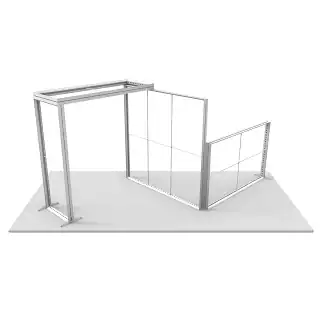
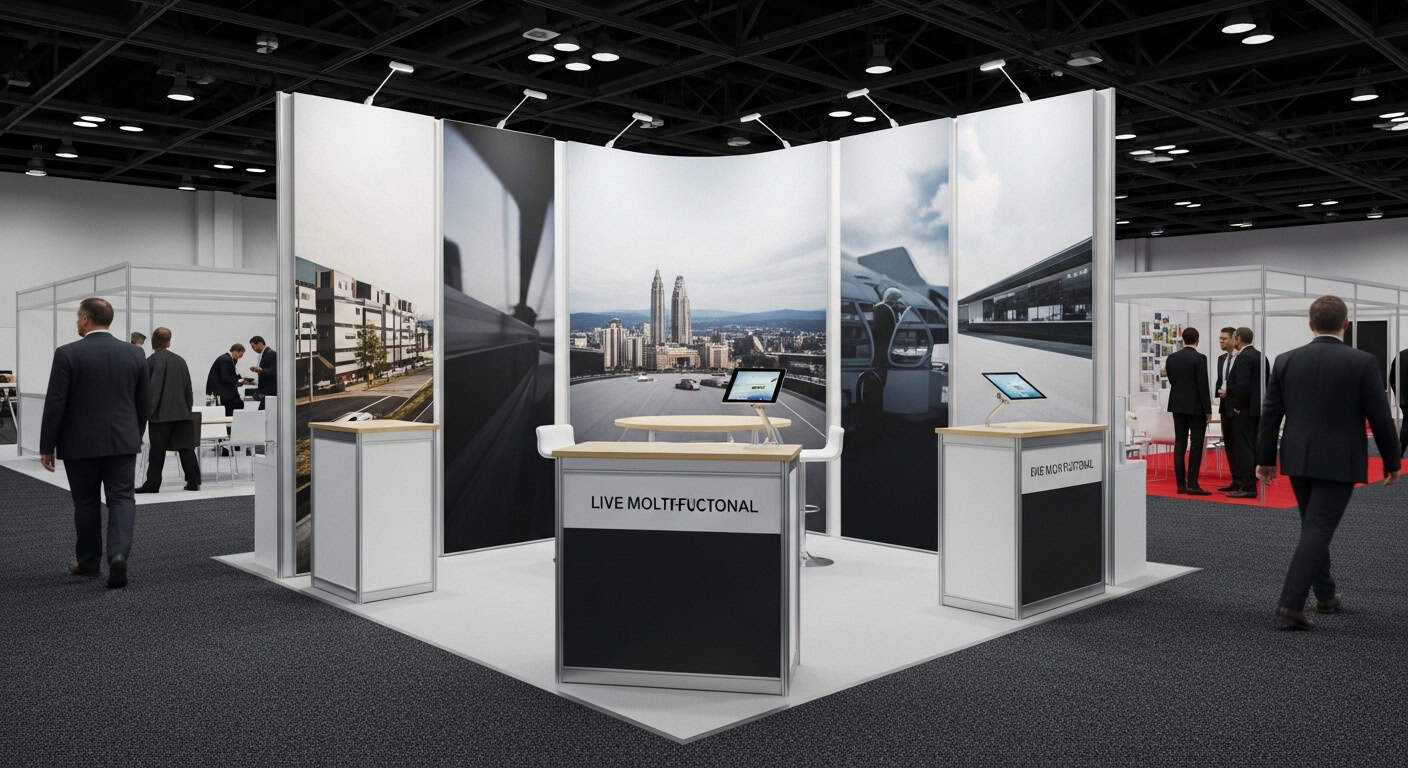
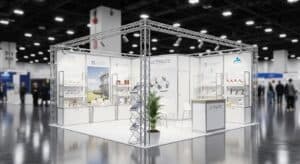
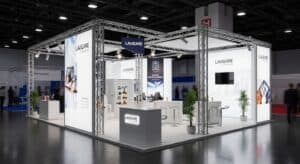
In the high-energy world of exhibitions, a large footprint isn’t a prerequisite for a large impact. Small booth displays for events are the unsung heroes of the trade show floor, offering a concentrated burst of brand identity that can be just as effective as sprawling island exhibits. When space is limited, every design choice—from the curve of a counter to the brightness of an LED—must be intentional. Success in a compact area is achieved through the “edit”: removing the clutter and focusing on a singular, powerful message. By prioritizing high-quality visuals and a welcoming atmosphere, exhibitors can turn a modest 100-square-foot space into a high-conversion zone that drives meaningful brand interactions.
Advantages of Small Booth Displays:
Budget-Friendly Exhibiting:
One of the primary drivers for choosing a smaller footprint is fiscal responsibility. Lower floor-space rental fees allow companies to reallocate their marketing budget toward high-quality lead generation activities, premium promotional items, or more frequent event attendance.
Easy Setup & Portability:
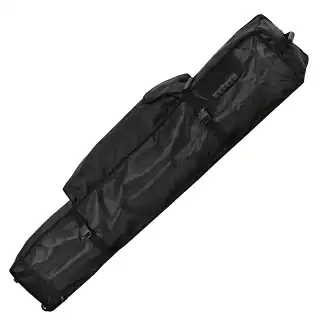
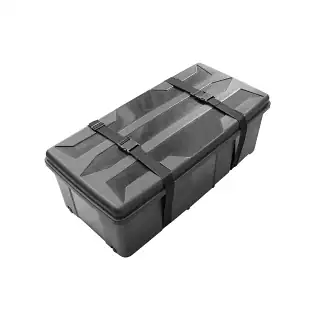
Smaller displays are inherently more agile. Most modern kits are designed for “person-portable” logistics, meaning a single staff member can manage the entire setup. This independence eliminates the need for expensive union labor and specialized tools, allowing for a stress-free transition from the shipping dock to the live event.
Layout Optimization Strategies:
Open & Inviting Design:
In a small space, the biggest mistake is creating a physical barrier. Avoid the traditional “table across the front” layout, which acts as a blockade. Instead, keep the threshold open. Use a “perimeter layout” where the backwall carries the heavy branding, leaving the floor space clear for visitors to step fully into your environment.
Multi-Functional Furniture:
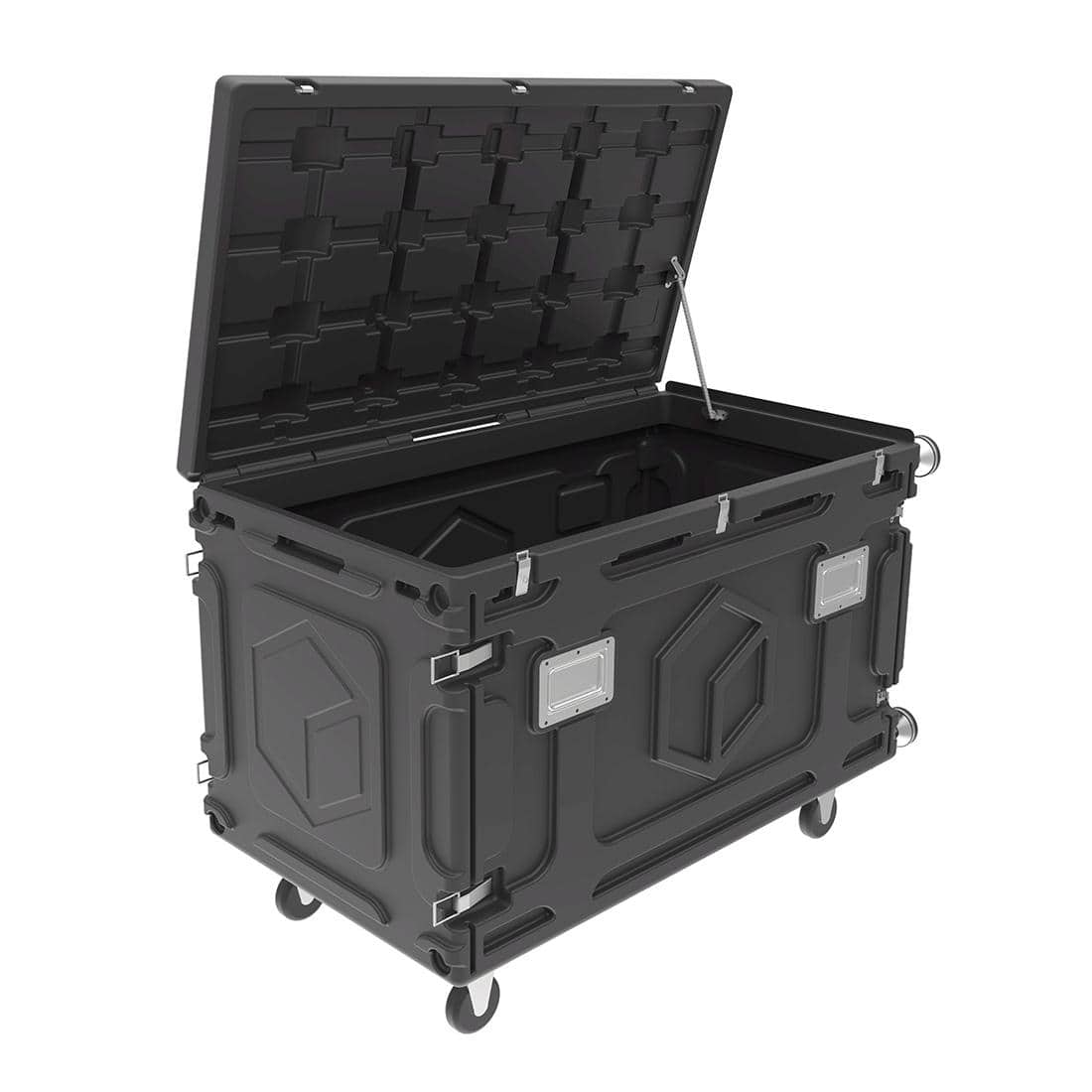
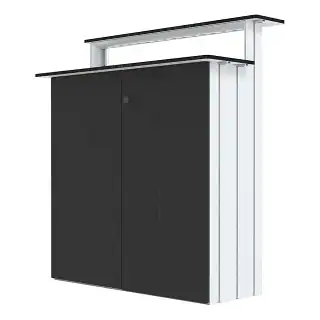
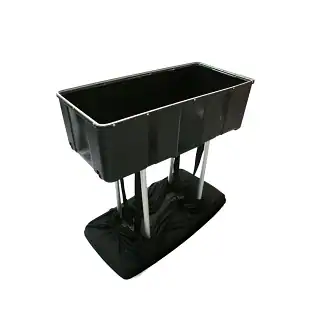
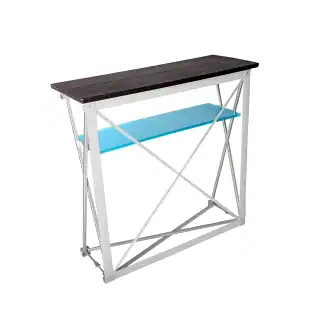
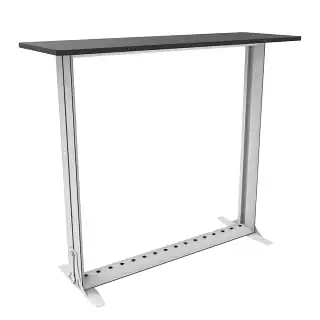
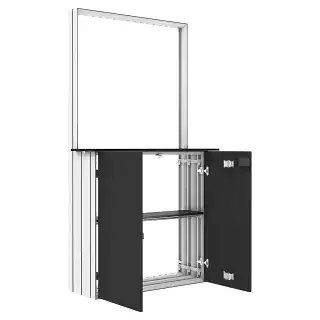
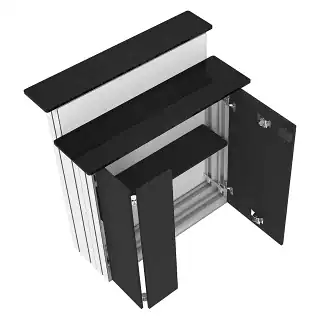
Space is a premium, so every piece of furniture must pull double duty. Choose a reception counter that features internal locking storage for personal items and brochures. Look for pedestals that double as shipping cases. By minimizing the number of individual pieces on the floor, you create an airy, professional feel that belies the booth’s actual dimensions.
Branding in Limited Space:
Vertical Graphics:
When you cannot expand outward, you must expand upward. Utilize the full height of the venue’s regulations (typically 8 feet for small booths). High-level graphics ensure your logo is visible from a distance, even when the aisle is crowded. Keep the top third of your display dedicated to your brand name, while the middle third focuses on your primary value proposition.
Strategic Lighting Placement:
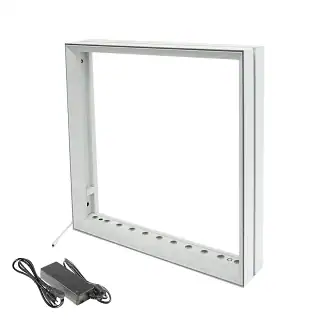
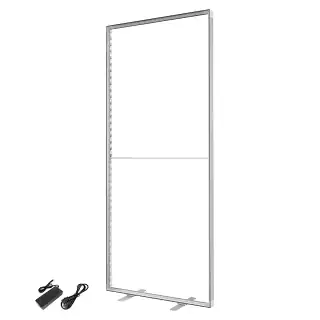
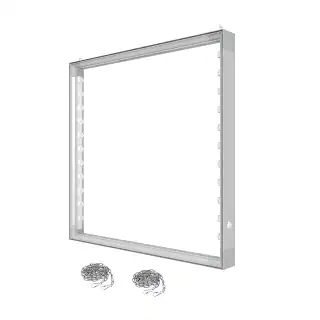
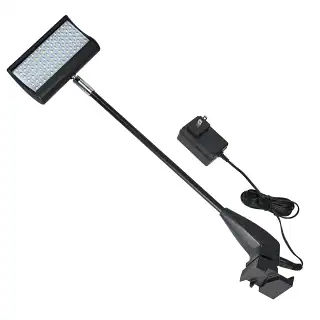
Lighting is the secret to making a small space feel premium. Integrated LED lightboxes or arm-mounted spotlights eliminate shadows and make colors more vibrant. Properly placed lighting draws the eye to your most important products or messages, acting as a visual “magnet” for passersby who might otherwise overlook a non-illuminated booth.
Engagement Tactics:
Live Demonstrations:
Nothing draws a crowd quite like action. Even within the constraints of small booth displays for events, a dedicated “micro-demo” zone can be highly effective. A small, sleek podium for a hands-on product test or a tablet stand for a software walk-through creates a focal point that encourages dwellers to linger and learn.
Digital Interaction Tools:
Digital touchpoints allow you to present an infinite amount of information without cluttering your physical walls. Use QR codes linked to personalized landing pages or interactive touchscreens that allow visitors to self-curate their journey. This blend of physical presence and digital depth is the hallmark of a sophisticated small-scale exhibit.
Budget Planning:
Affordable Display Systems:
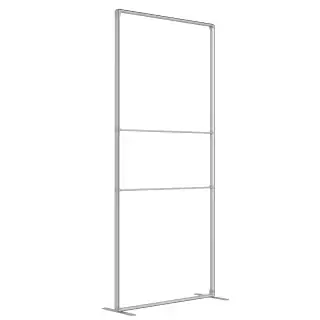
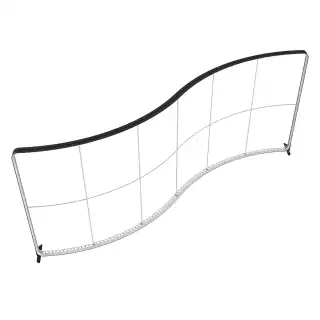
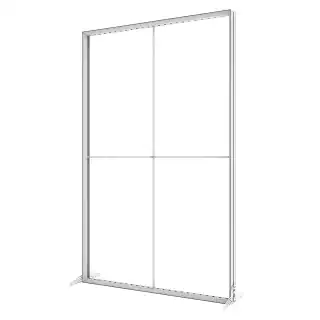
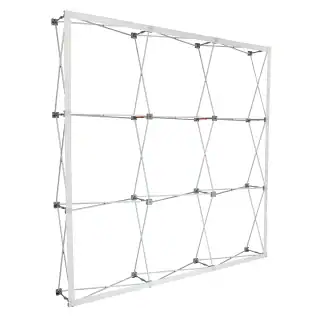
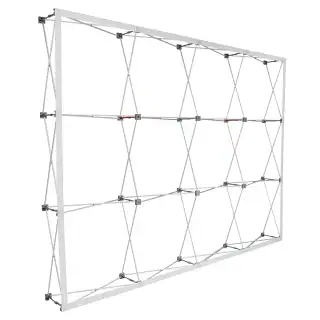
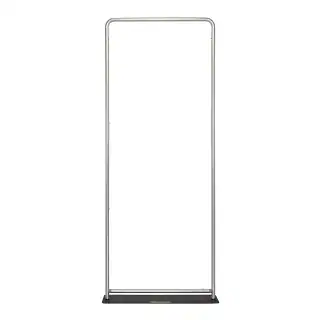
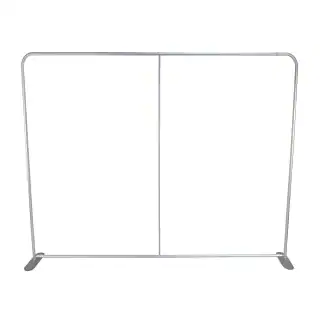
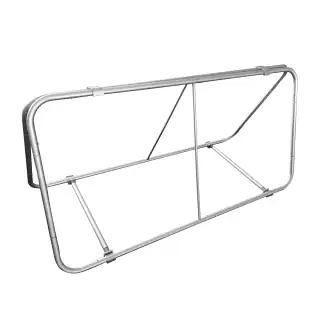
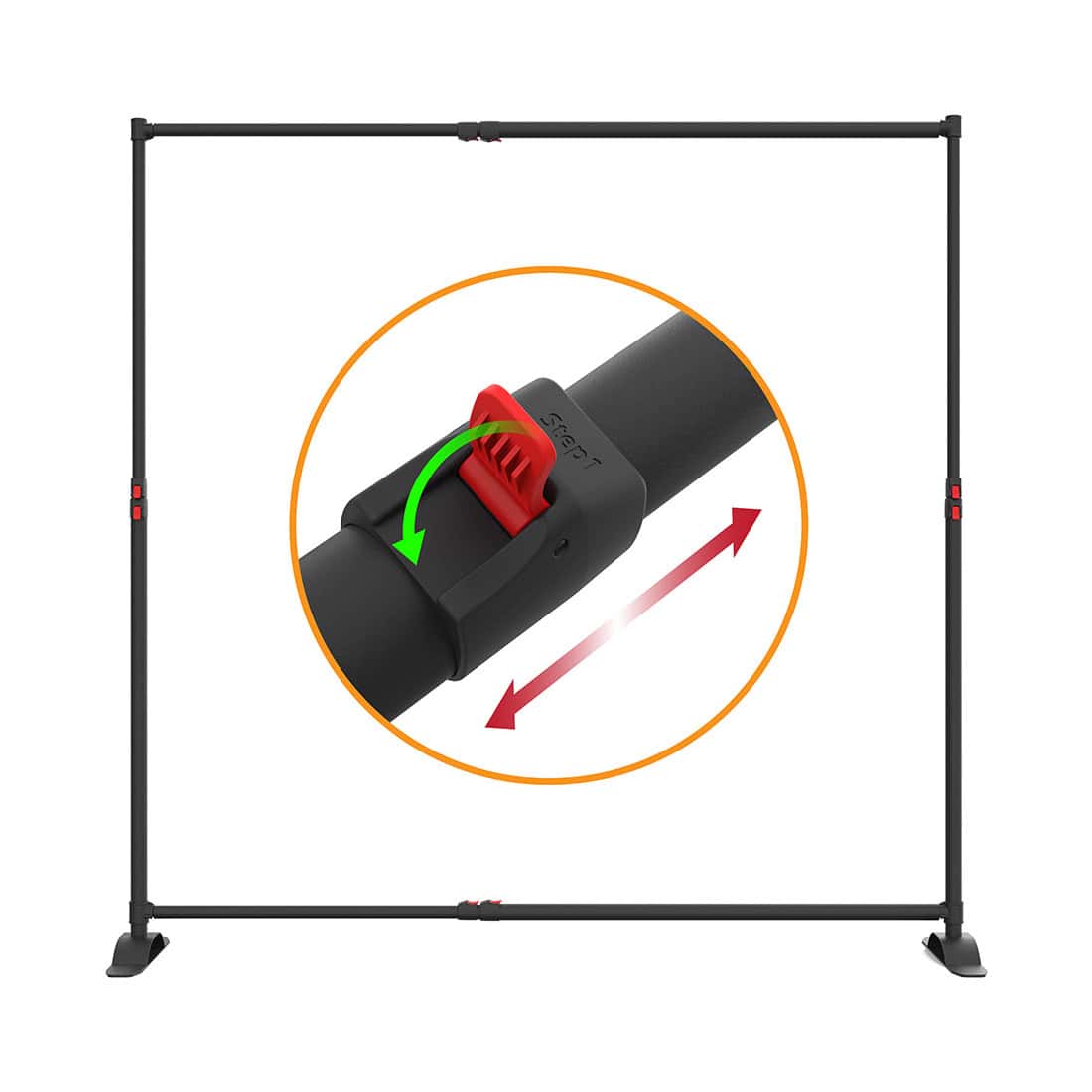
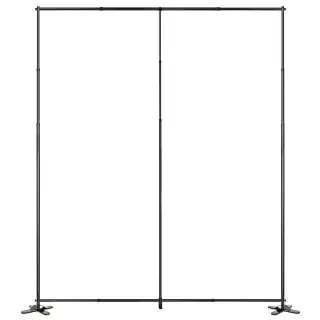
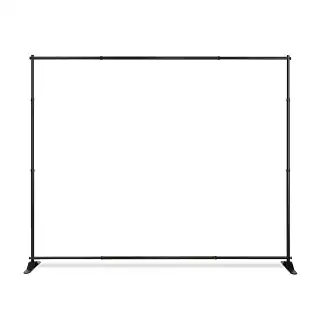
Investing in a modular tension fabric system is often the most cost-effective path. These systems provide a high-end, seamless look that is much cheaper to ship and store than traditional wooden or plastic panels. Because the fabric “skins” are inexpensive to reprint, you can keep your messaging current without buying new hardware.
Long-Term Investment Planning:
Focus on the “Total Cost of Ownership.” A slightly more expensive aluminum frame that lasts for five years is a better investment than a cheap plastic one that breaks after two shows. By choosing a system with a long lifecycle, you ensure that your event marketing remains sustainable and profitable over the long term.
Avoiding Common Small Booth Mistakes:
Overcrowding:
The urge to show “everything” often leads to a booth that feels like a storage closet. Be ruthless with your selection. Choose one or two flagship products and leave plenty of negative space. An uncluttered booth signals confidence and makes it easier for visitors to process your brand’s core message.
Weak Messaging:
Small booths often suffer from “information overload.” Avoid long paragraphs of text. Use one bold headline that answers the visitor’s question: “What is in it for me?” Clear, punchy messaging is far more effective at stopping traffic than a detailed list of features that nobody has the time to read while walking.
Scaling Beyond Small Booths:
When to Upgrade:
You know it is time to upgrade when your booth is consistently too crowded to conduct business comfortably. If your staff is tripping over visitors or you are losing leads because there is nowhere to have a private conversation, it is a clear signal that your success justifies a larger footprint for future events.
Modular Expansion Options:
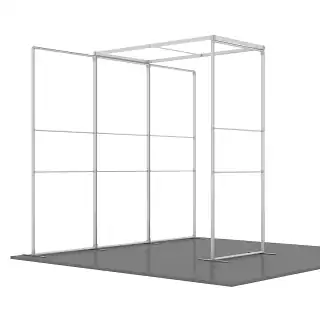
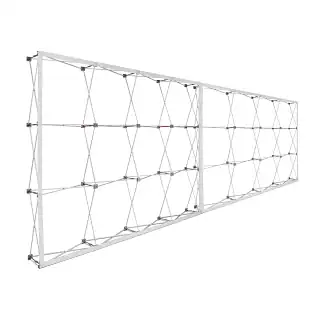
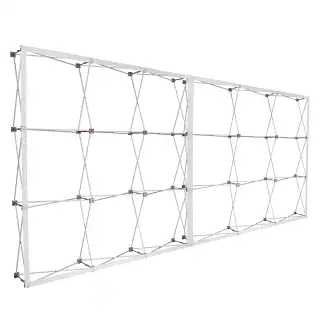
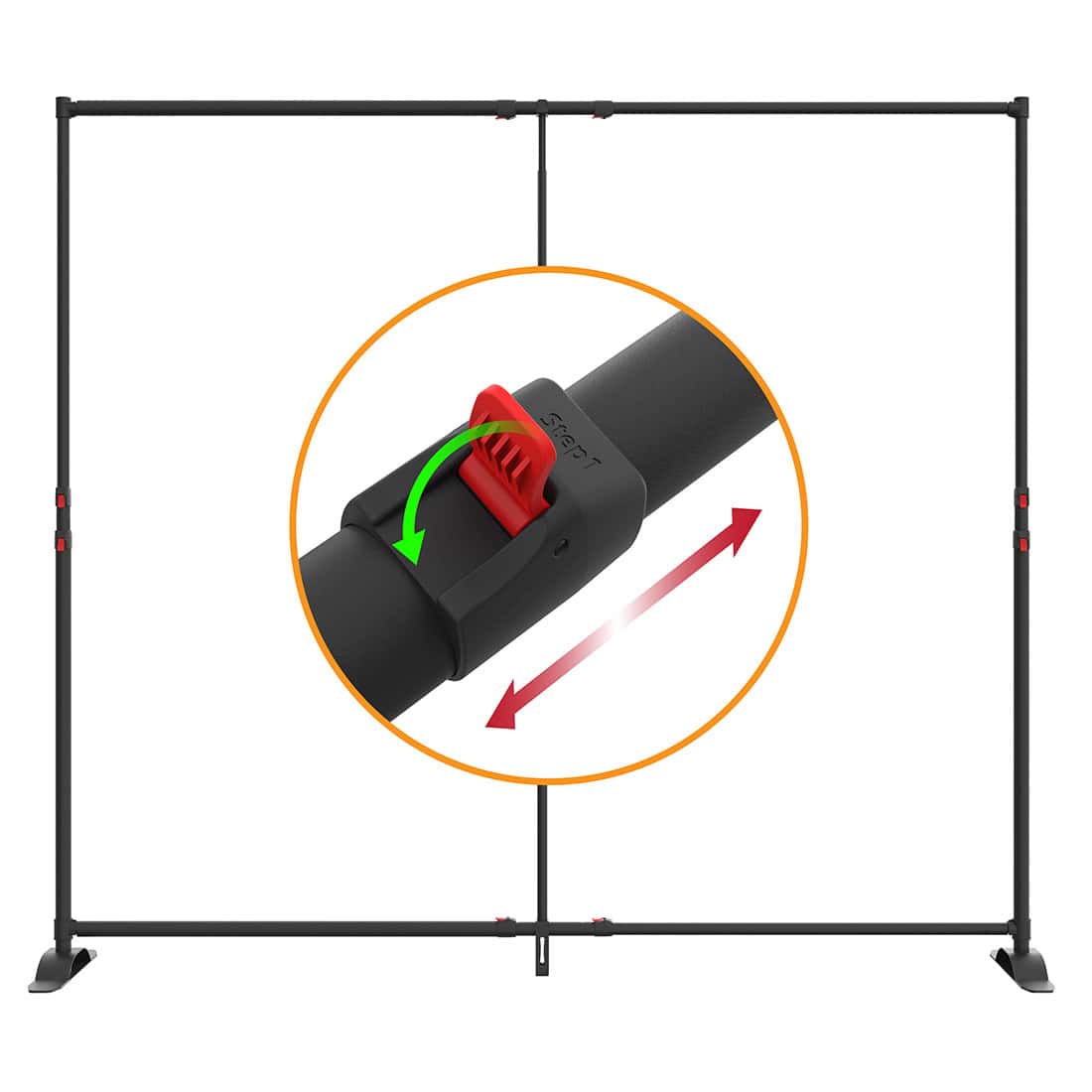
The best small booth displays for events are designed to grow. By choosing a modular frame system from the start, you can simply purchase additional panels and connectors to expand your 10-foot display into a 20-foot or 30-foot exhibit. This “build-as-you-grow” strategy protects your initial investment while providing a seamless path to larger-scale brand storytelling.










 5101 Commerce Dr., Baldwin Park, CA 91706
 ExhibitorLive 2026 , Mar 30-April 1, Tampa , FL , Booth #237