




Choosing the Best 10×10 Booth Displays:
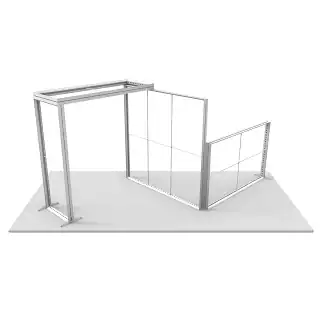
In the high-stakes environment of a trade show, your footprint is your storefront. Selecting the best 10×10 booth displays is about more than just filling a square; it is about creating an intentional, immersive brand experience within a compact area. A 100-square-foot space requires a surgical approach to design, where every graphic, light fixture, and piece of furniture serves a specific marketing objective. The goal is to maximize visual weight without creating physical clutter. By focusing on high-quality materials and smart spatial planning, an exhibitor can outshine larger island exhibits through sheer professionalism, clarity of message, and an inviting atmosphere that beckons attendees to step off the aisle.
What Defines the Best 10×10 Booth Displays?
Visual Appeal & Design:
The hallmark of a top-tier display is a “clean” aesthetic. This means high-resolution graphics that are legible from a distance and a color palette that aligns perfectly with corporate branding. The best designs use a singular, powerful focal point—such as a large-scale product image or a bold value proposition—to capture attention within the three seconds it takes for a visitor to walk past.
Structural Durability:
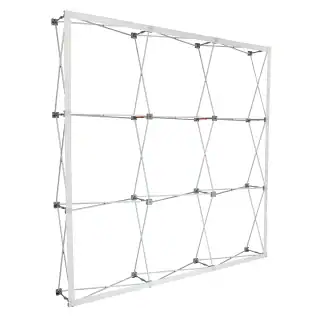
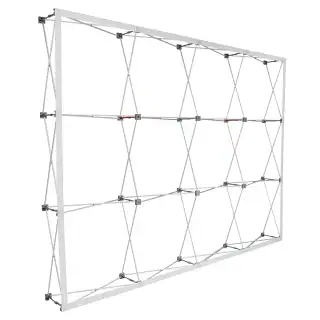
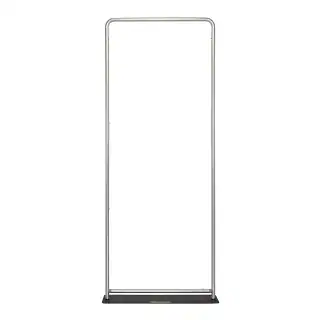
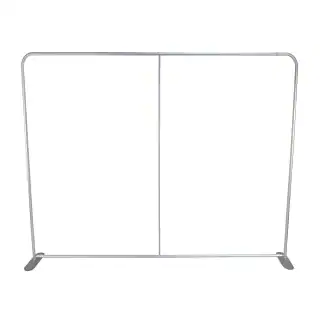
A display is a long-term investment. The highest-quality options utilize aircraft-grade aluminum frames that are lightweight yet resistant to warping. These structures must withstand the rigors of frequent shipping, rapid assembly, and the inevitable bumps and scrapes of a busy expo floor, ensuring the booth looks as pristine on its fiftieth show as it did on its first.
Layout and Space Optimization:
Vertical Branding Techniques:
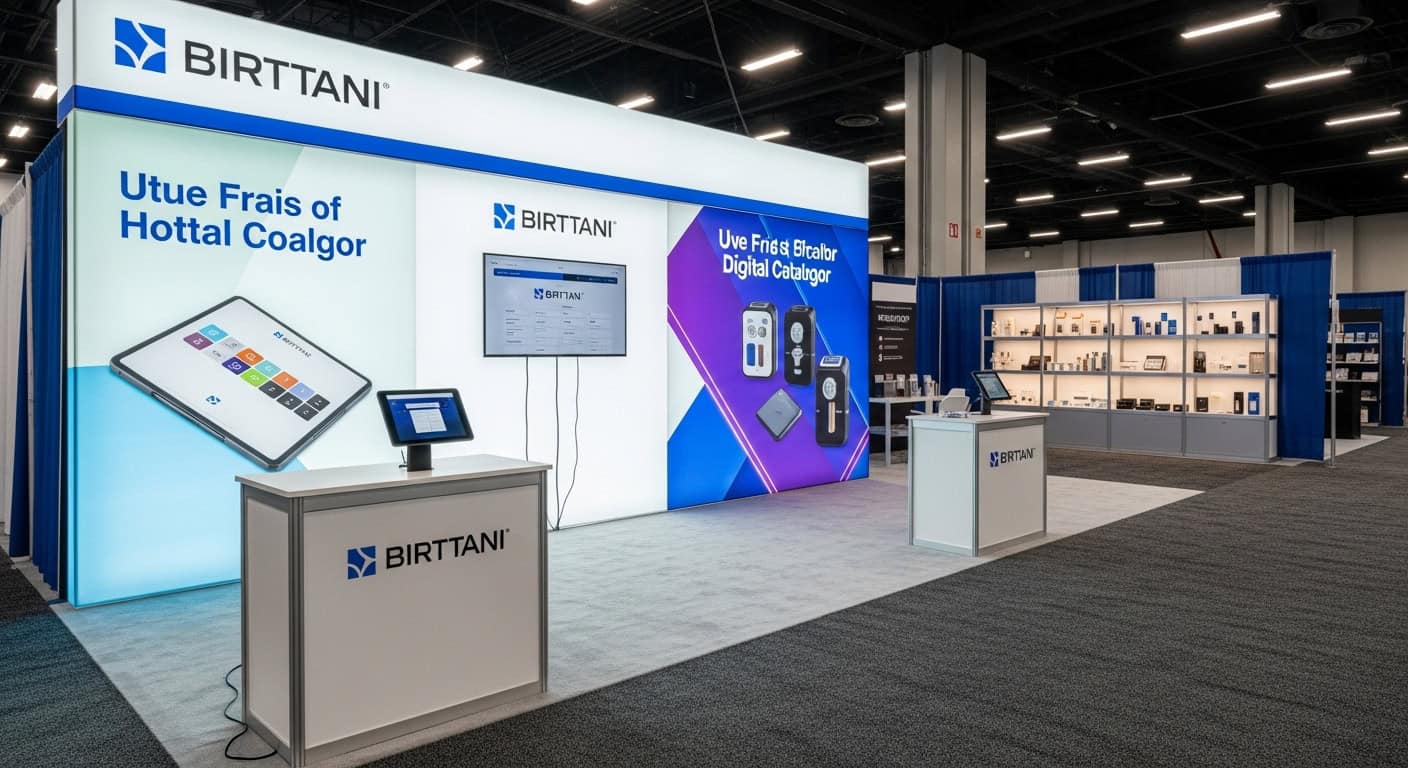
When horizontal space is capped at 10 feet, the only way to go is up. Utilizing the full allowable height (typically 8 feet for inline booths) is essential for visibility. The best 10×10 booth displays often incorporate “header” graphics or backlit towers that sit at the top of the frame. This ensures your logo remains visible even when the booth is crowded with people, acting as a permanent beacon for your brand.
Smart Product Placement:
In a small footprint, “less is more.” Rather than crowding the floor with your entire inventory, select your flagship products and place them on integrated shelving or minimalist pedestals. Positioning these items toward the back of the booth encourages visitors to step fully into your space, while keeping the front “threshold” open and welcoming for spontaneous interactions.
Display Materials & Finishes:
Fabric vs Rigid Panels:
Modern exhibitors are moving toward tension fabric over traditional rigid panels. Fabric is lighter to ship, easier to install, and provides a seamless, wrinkle-free look that rigid panels with visible “seams” cannot match. Silicone Edge Graphics (SEG) are particularly popular for their drum-tight finish and ease of replacement for different marketing campaigns.
Lighting Integration:
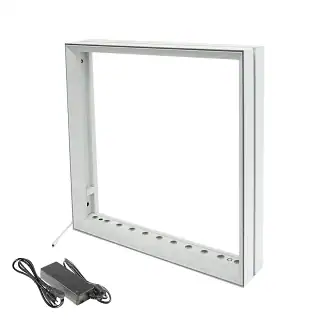
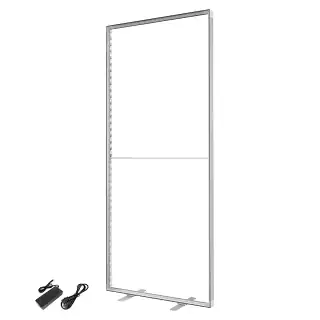
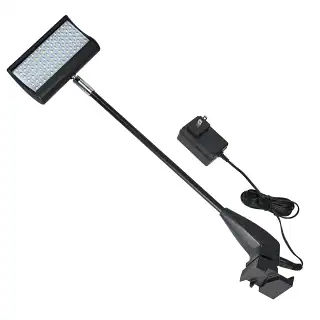
Lighting is the element that separates average booths from the best. Integrated LED ladder lights can transform a standard fabric wall into a vibrant lightbox. For a professional finish, avoid external “clip-on” lights that can create glare; instead, opt for internal illumination that provides a consistent, high-contrast glow across your entire brand message.
Enhancing Visitor Engagement:
Demo & Sampling Zones:
Engagement is the heartbeat of a trade show. Even in a 10×10 space, you should designate a “micro-zone” for hands-on experience. This might be a small counter for product sampling or a sleek podium where a staff member can perform a live demonstration. This physical interaction builds trust and creates a memorable moment that a brochure cannot replicate.
Interactive Digital Displays:
Digital touchpoints allow you to expand your booth’s content without increasing its physical size. Using tablet mounts or small touchscreens integrated into the backwall allows visitors to browse your full digital catalog or watch case-study videos. This self-curated experience keeps visitors in your booth longer, increasing the dwell time and providing more opportunities for your sales team to engage.
Budget-Friendly Options:
Modular Systems:
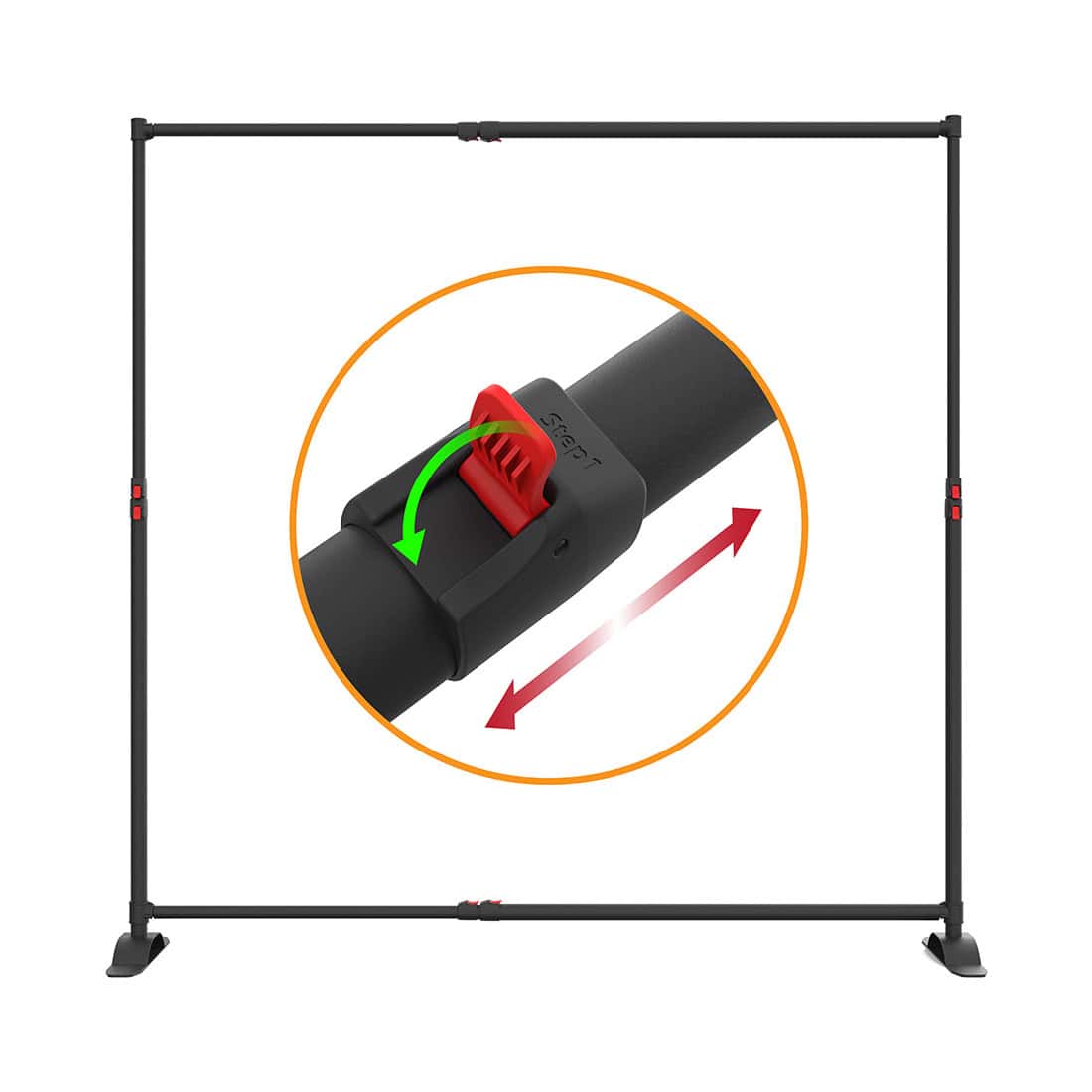
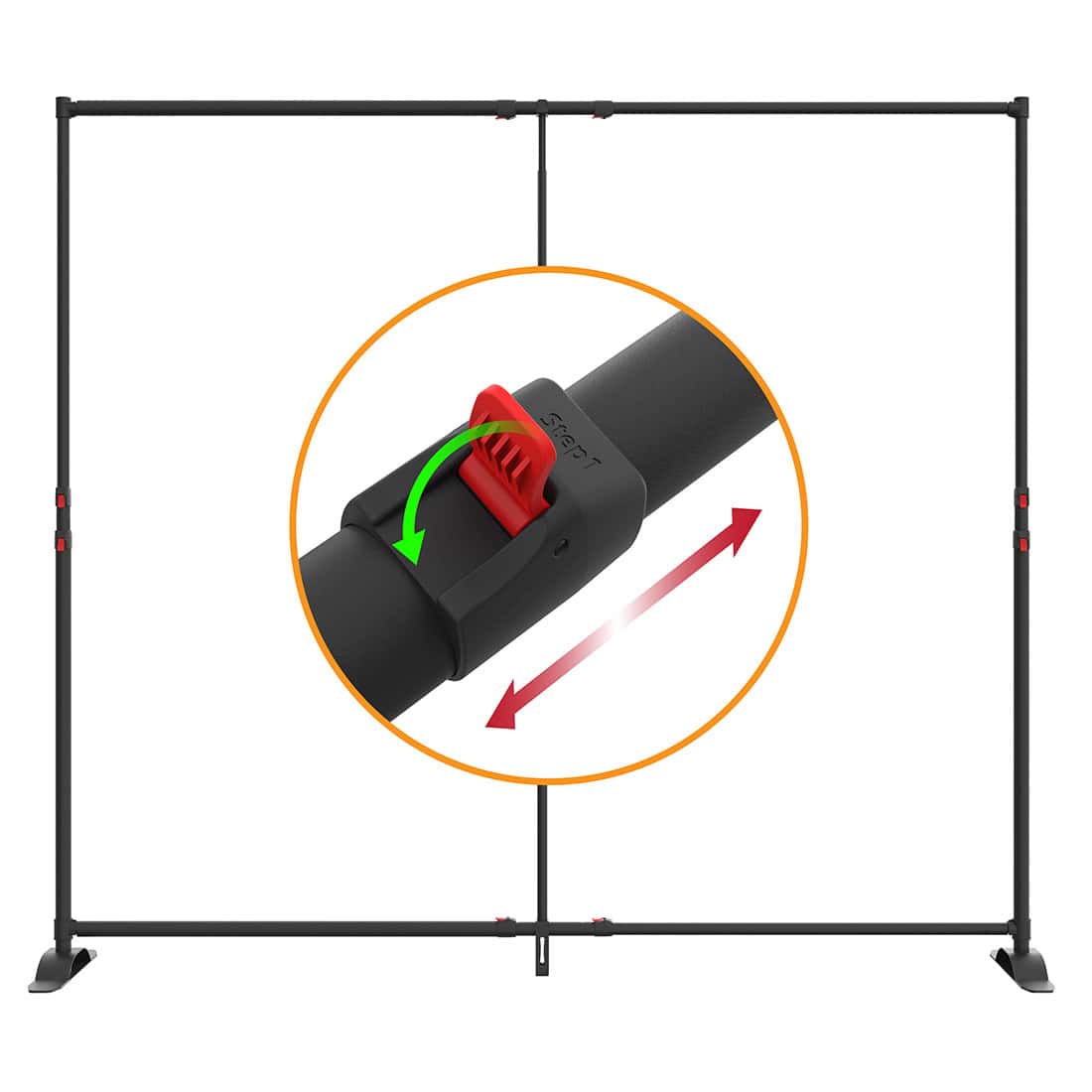
The best 10×10 booth displays are often modular, meaning they are built from standardized parts that can be reconfigured. This is highly budget-friendly because it allows you to start with a basic setup and add accessories like monitor mounts, literature racks, or storage closets over time. It prevents the need to buy an entirely new booth as your needs evolve.
Reusable Graphics:
Investing in high-quality hardware pays off when you only need to update the “skin.” Fabric graphics are inexpensive to reprint compared to buying a whole new display. This allows you to tailor your messaging for specific industry niches or different regions without a massive capital outlay, significantly improving your overall Return on Investment (ROI).
Expert Design Recommendations:
Avoiding Common Mistakes:
The most frequent error in small booths is “over-furnishing.” A large desk across the front acts as a barricade. Instead, use a small, side-mounted counter. Another mistake is using too much text; remember that attendees are walking quickly. Keep your copy punchy: a headline, three bullet points, and a clear call to action.
Optimizing Brand Messaging:
Your messaging should follow a hierarchy. Put your “Who We Are” (Logo) at the top, your “What We Do” (Value Prop) at eye level, and your “How to Connect” (Social/Web) near the bottom or on a counter. This logical flow ensures that even a passerby can understand your brand’s core offering in a single glance.
Measuring Booth Performance:
Tracking Leads:
Success is measured by the data you take home. Use integrated lead-retrieval software to scan badges and immediately categorize the quality of the lead. The best 10×10 booth displays are designed with a natural “lead-capture point,” usually a small counter where this data exchange can happen comfortably and professionally.
Evaluating Engagement Metrics:
Beyond lead counts, look at engagement metrics like dwell time and “booth pathing.” Did people stop to watch the video? Did they pick up the sample? Evaluating these behaviors helps you refine your display for the next show. If a certain graphic didn’t stop traffic, you have the modular flexibility to swap it out, ensuring your booth is always performing at its peak.









 5101 Commerce Dr., Baldwin Park, CA 91706
 ExhibitorLive 2026 , Mar 30-April 1, Tampa , FL , Booth #237