










Introduction: Why Businesses Are Rethinking Wall Branding
Interior wall branding has changed dramatically over the past decade. What was once dominated by vinyl decals and rigid panels is now shaped by higher expectations around finish quality, flexibility, and brand longevity. Walls are no longer treated as static surfaces—they’re viewed as living brand assets that must evolve with campaigns, spaces, and audiences.
This shift is where the SEG wall display has gained traction. Retailers want seamless visuals without exposed edges. Offices want branding that feels architectural rather than temporary. Designers want systems that can be updated without repainting walls or replacing entire installations.
The goal is not to promote trends, but to compare how SEG wall displays actually perform versus traditional wall branding solutions that are still widely used today.
How SEG Wall Displays Function in Real Environments
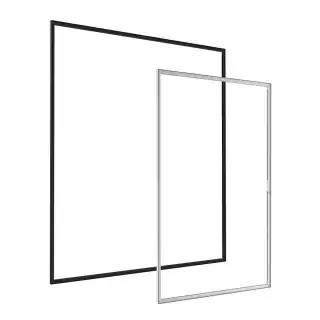
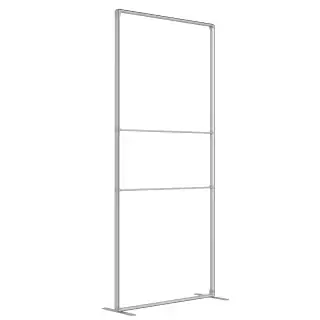
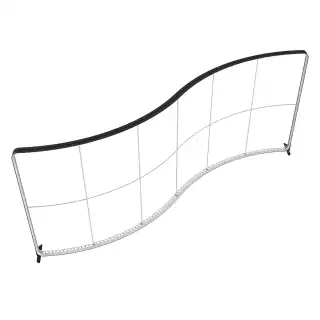
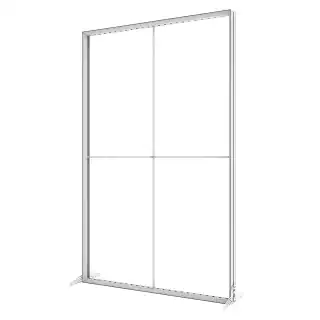
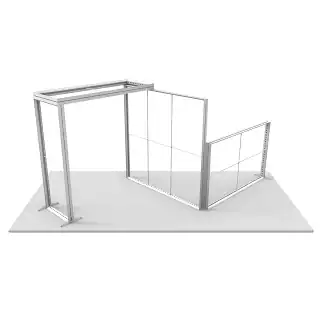
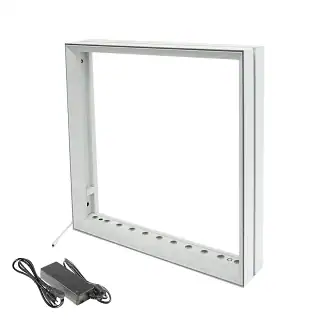
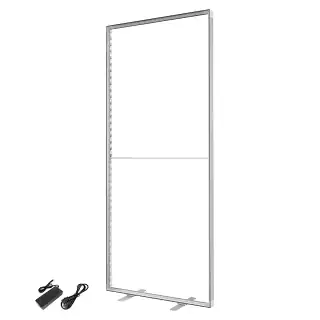
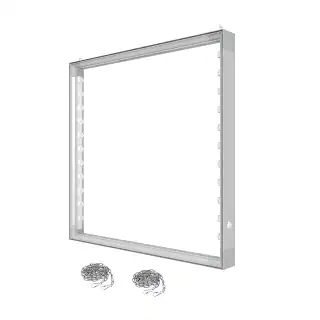
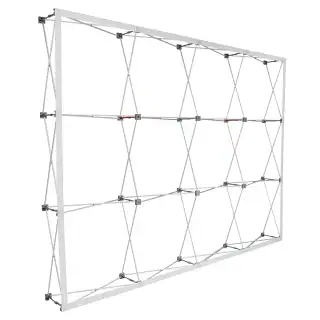
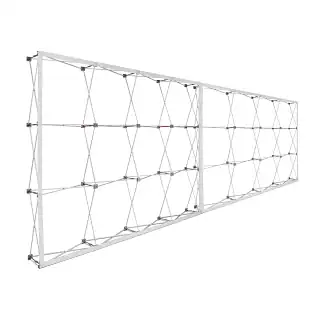
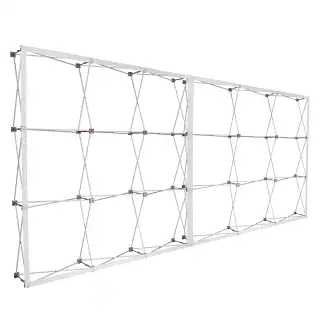
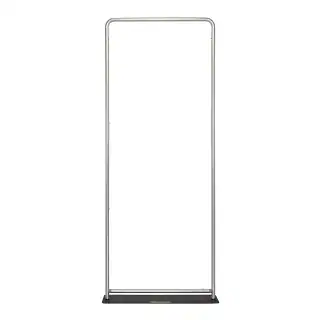
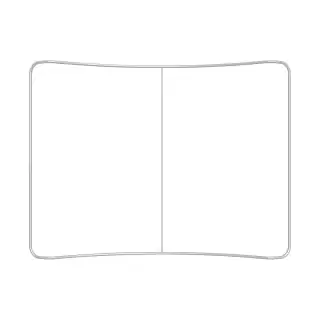
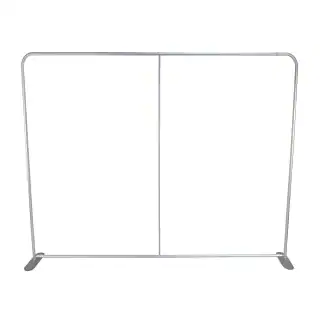
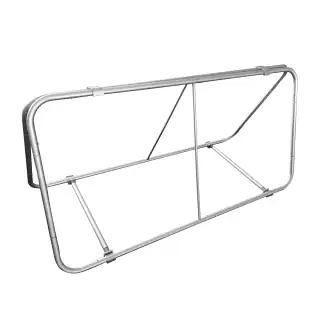
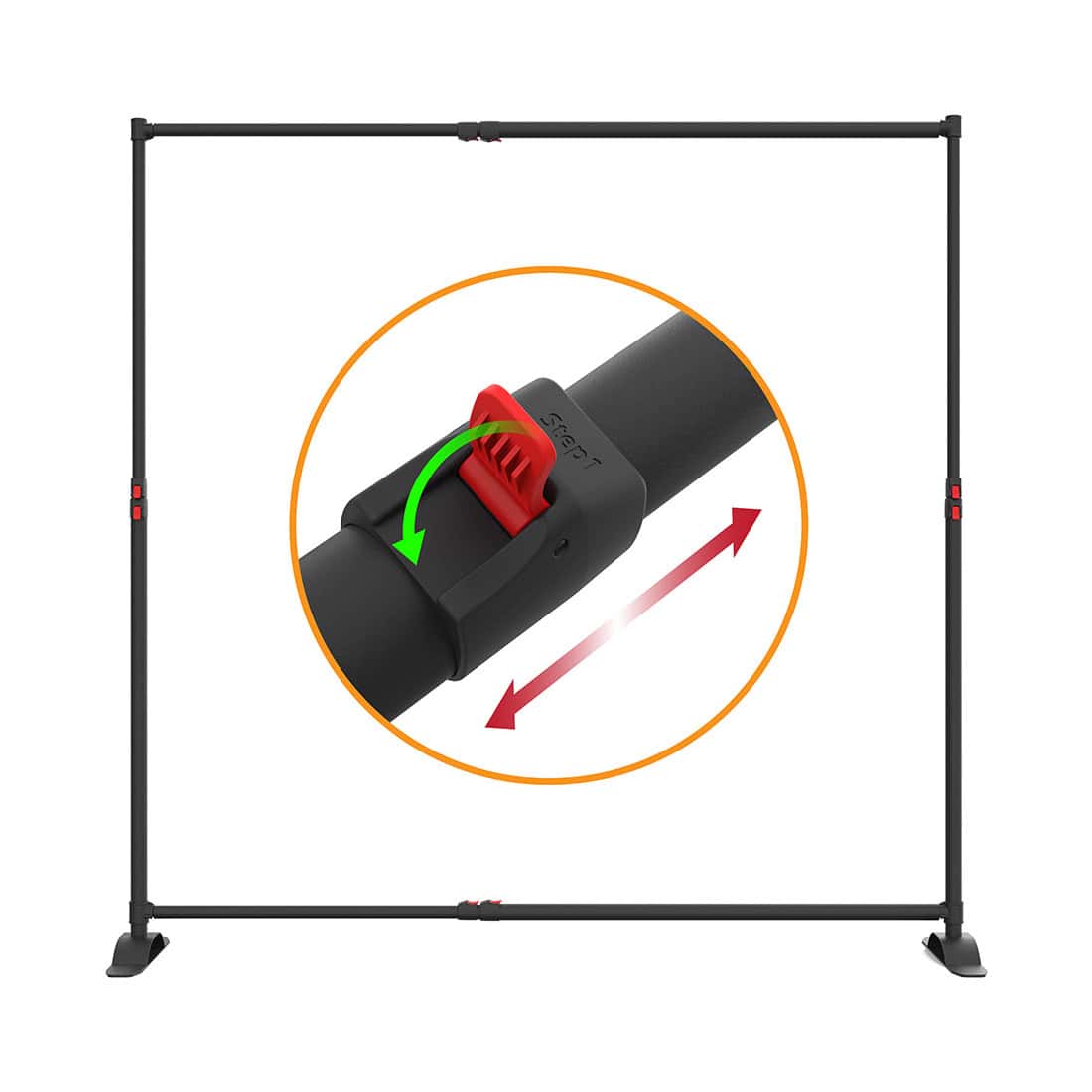
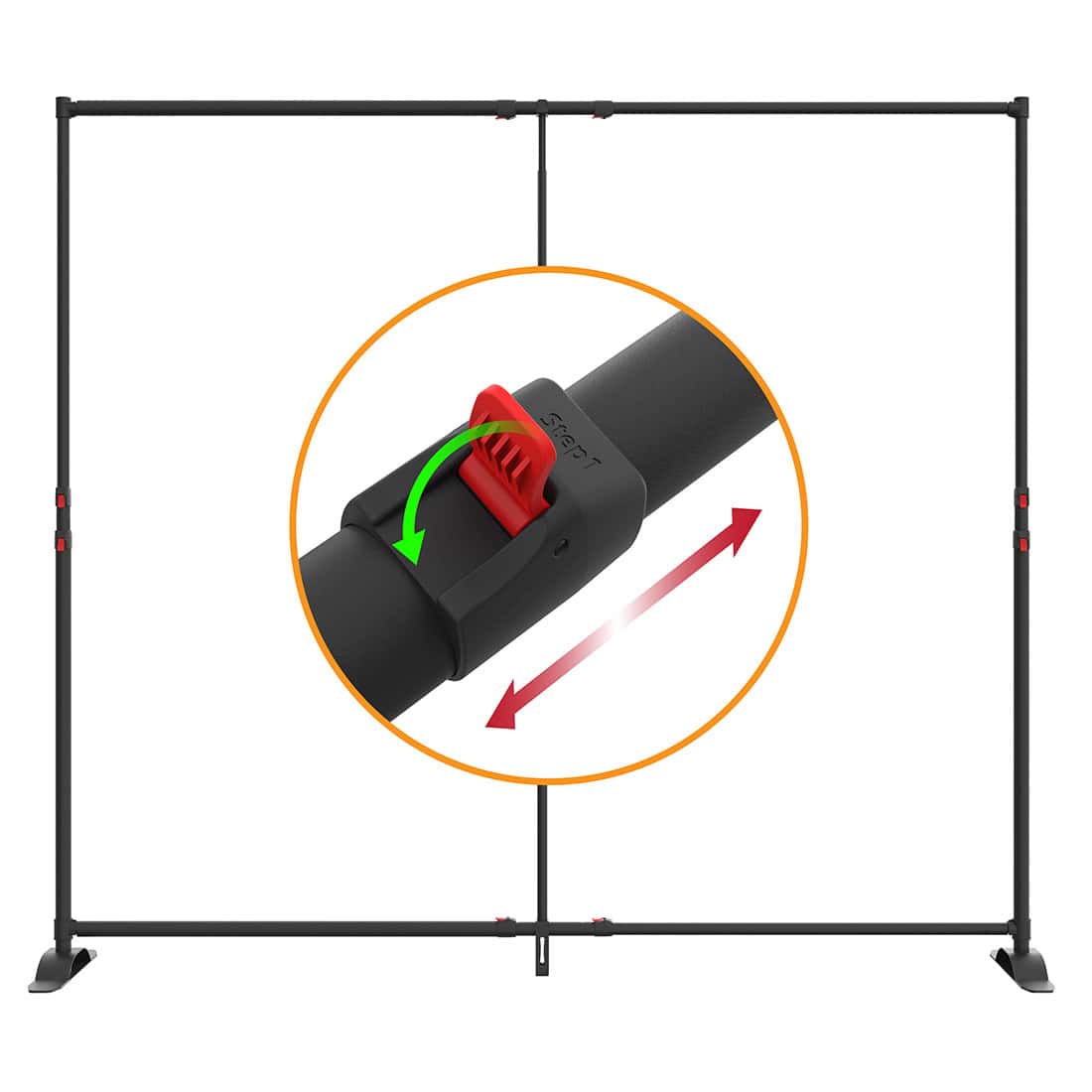
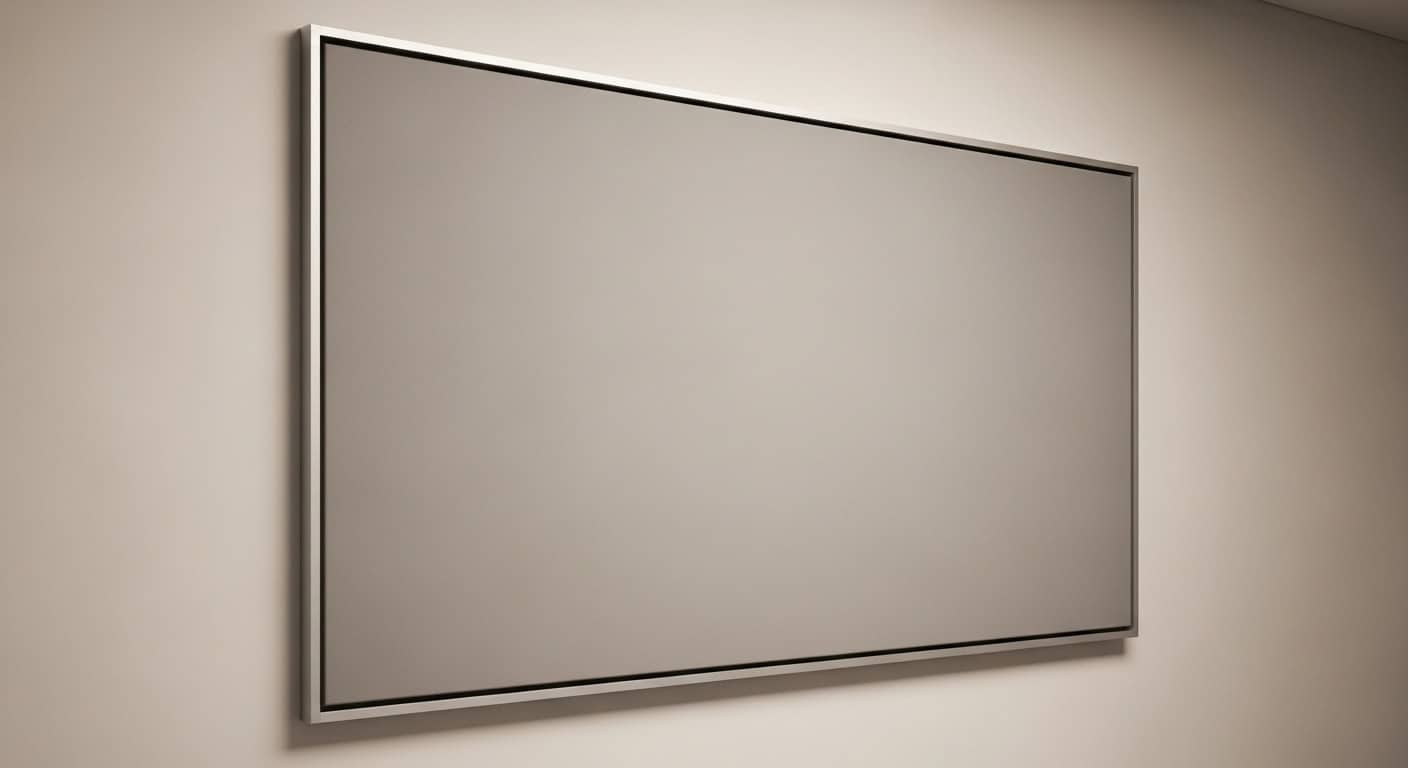
SEG wall displays work because they function as controlled surface systems—not because they are visually trendy. A silicone edge graphic is printed slightly undersized and tensioned into an aluminum frame mounted to the wall.
The frame applies consistent perimeter pressure, pulling the fabric flat across the entire surface. This tension eliminates wrinkles, bubbles, and adhesive inconsistencies common with vinyl or direct wall graphics.
In practice, the frame becomes part of the wall assembly. It compensates for minor wall imperfections, uneven substrates, and alignment issues that would be highly visible with traditional methods.
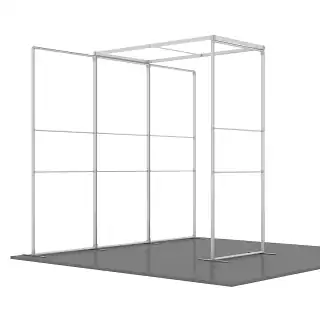
Common applications include retail feature walls, corporate lobbies, conference rooms, healthcare interiors, and branded corridors. In these environments, SEG wall displays are chosen for predictability—clean installs, repeatable results, and easy graphic updates without wall damage.
Traditional Wall Branding Options Still in Use
Traditional wall branding methods remain common for valid reasons.
Vinyl wall graphics are widely used due to low upfront cost and fast installation. They are effective for short-term promotions but highly dependent on wall condition and installer skill. Over time, edge lift and wear are common.
Rigid panels such as PVC, acrylic, or aluminum composite offer durability and sharp print quality. However, seams, standoffs, or trims are usually visible, and updates typically require full replacement.
Direct wall printing can look seamless under ideal conditions, but wall texture, paint quality, and environmental factors often limit consistency. Corrections are difficult once printing begins.
These methods persist because they are familiar or inexpensive upfront, though flexibility and long-term finish quality are often sacrificed.
Visual Impact Comparison in Everyday Settings
Visual differences between SEG wall displays and traditional wall branding become more pronounced over time.
Flatness and finish quality favor SEG systems. Fabric tension creates a smooth surface that resists warping and bubbling. Vinyl and direct prints reveal wall imperfections and degrade faster.
Edge visibility is another key difference. SEG wall displays conceal edges within the frame, creating clean, architectural terminations. Vinyl edges remain exposed, while rigid panels rely on visible seams or hardware.
Perceived brand quality is shaped by these details. Consistent tension and clean edges signal professionalism, while wrinkles or misalignment undermine brand perception.
Lighting interaction further separates the systems. SEG wall displays interact predictably with ambient or integrated lighting, while traditional solutions often show glare, shadows, or surface inconsistencies.
In real environments, SEG wall displays tend to look the same months later as they did on day one. Traditional solutions rarely do.










 5101 Commerce Dr., Baldwin Park, CA 91706
 ExhibitorLive 2026 , Mar 30-April 1, Tampa , FL , Booth #237