


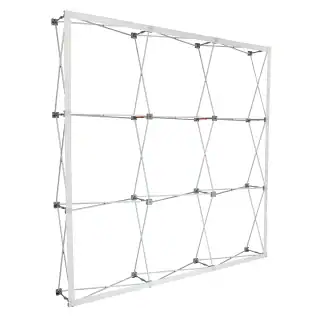
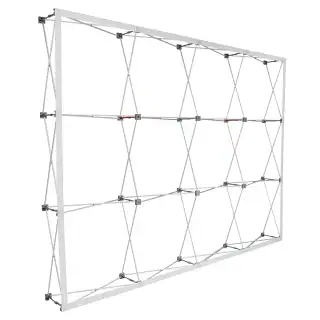
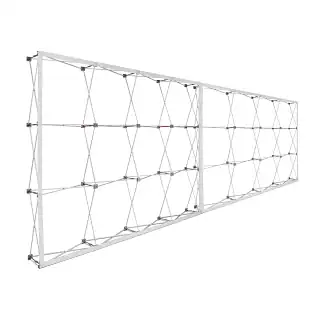
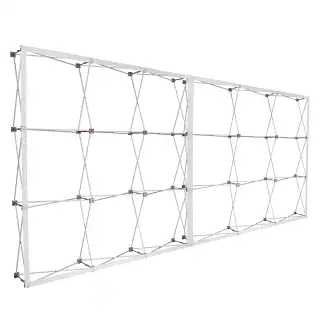
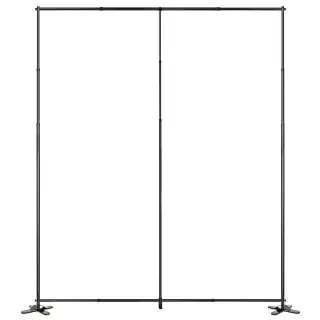
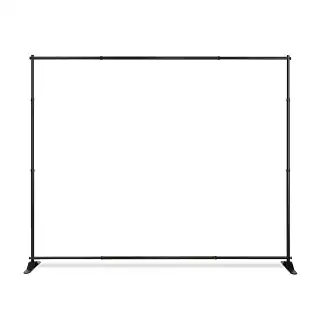
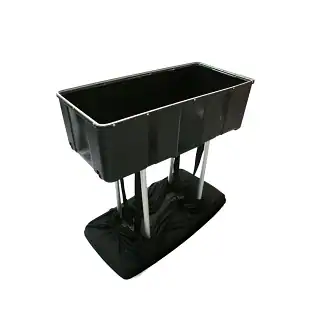
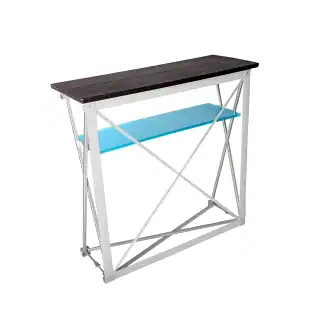
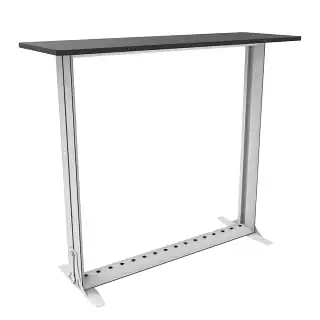
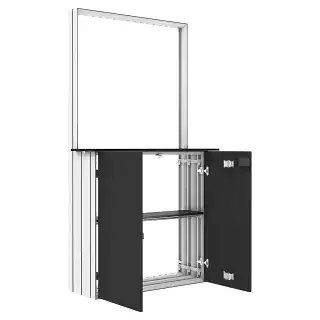
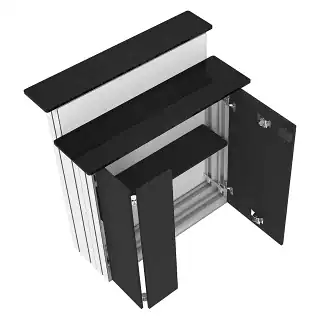
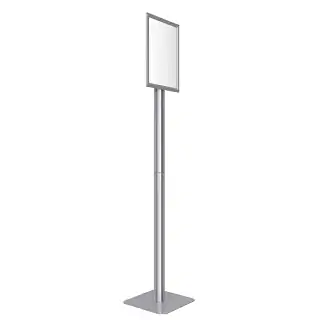
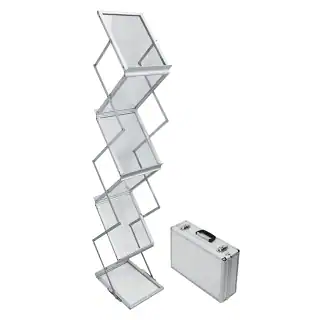
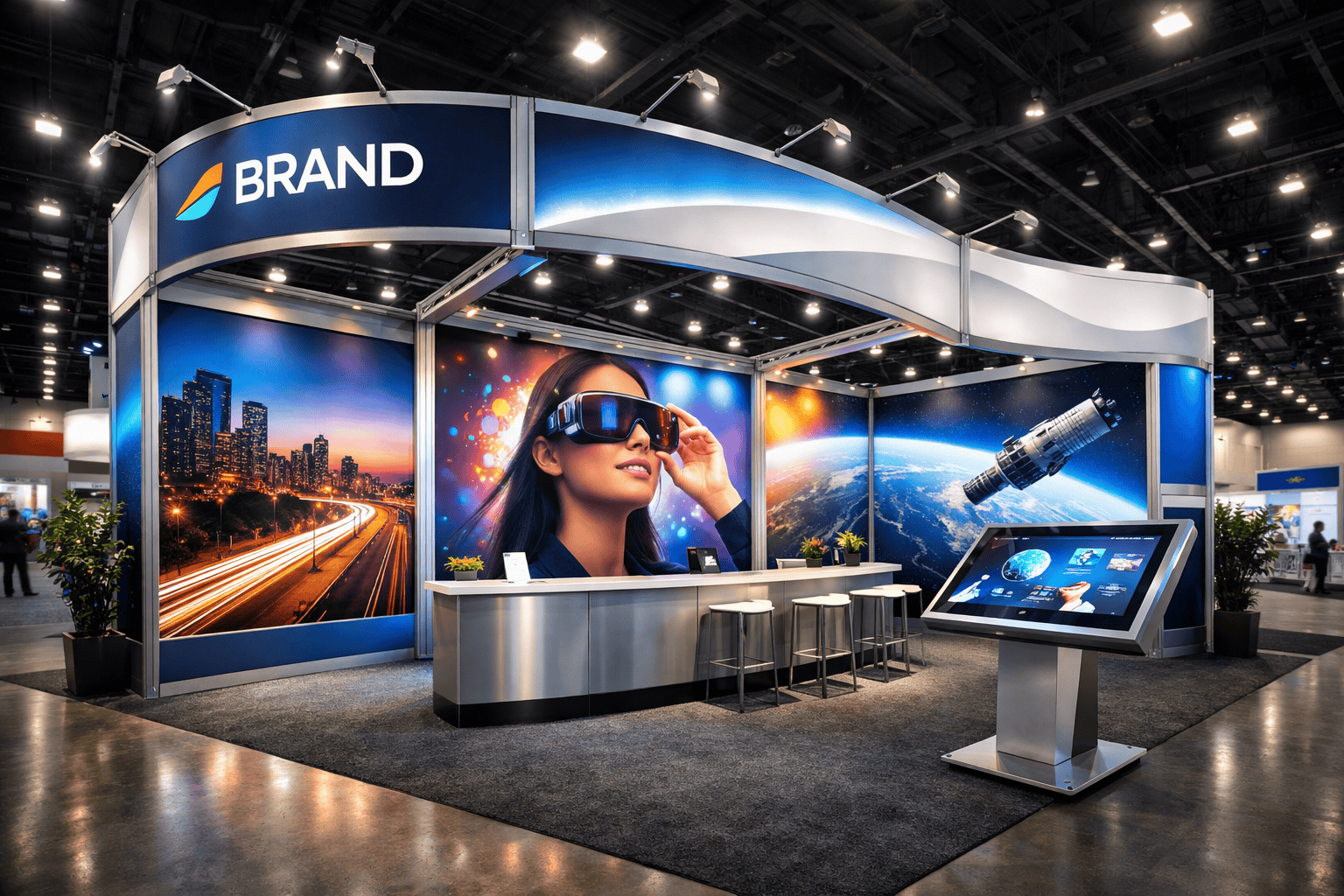
What Are New Arrival Booth Displays?
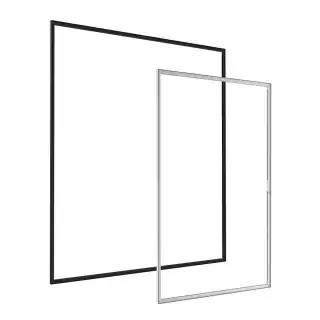
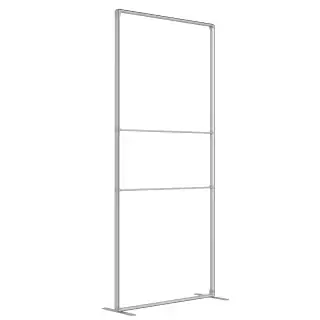
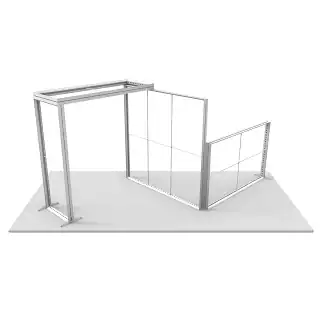
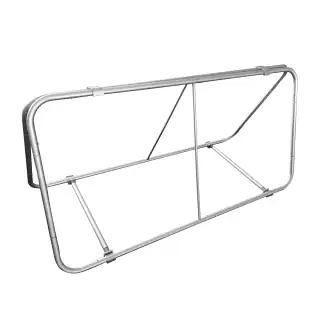
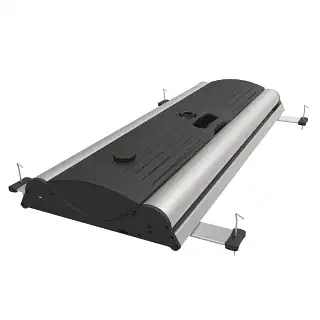
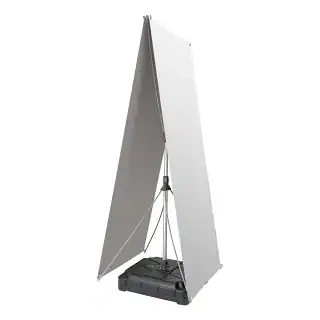
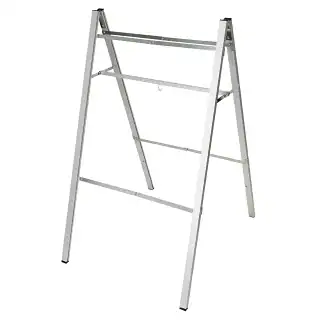
New arrival booth displays refer to the latest generation of modular, lightweight, technology-integrated exhibit systems used at trade shows and expos. Unlike traditional wooden builds or fixed pop-up banners, modern systems are:
- Modular and reconfigurable
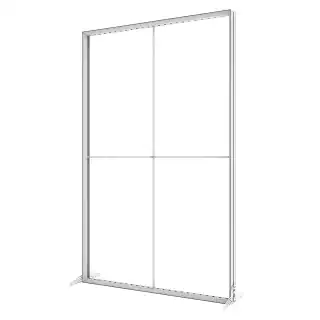
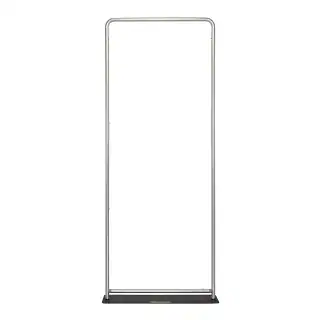
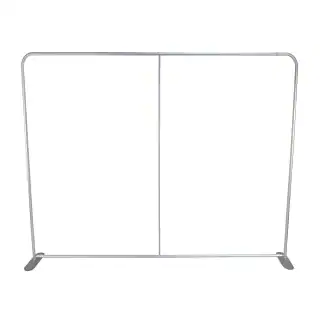
- Lightweight (typically aluminum frame-based)
- Fabric-graphic driven
- Technology-ready
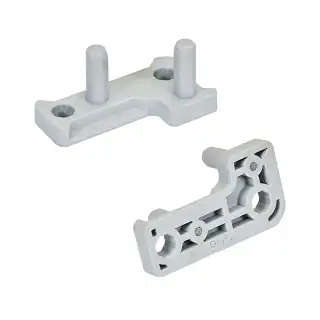
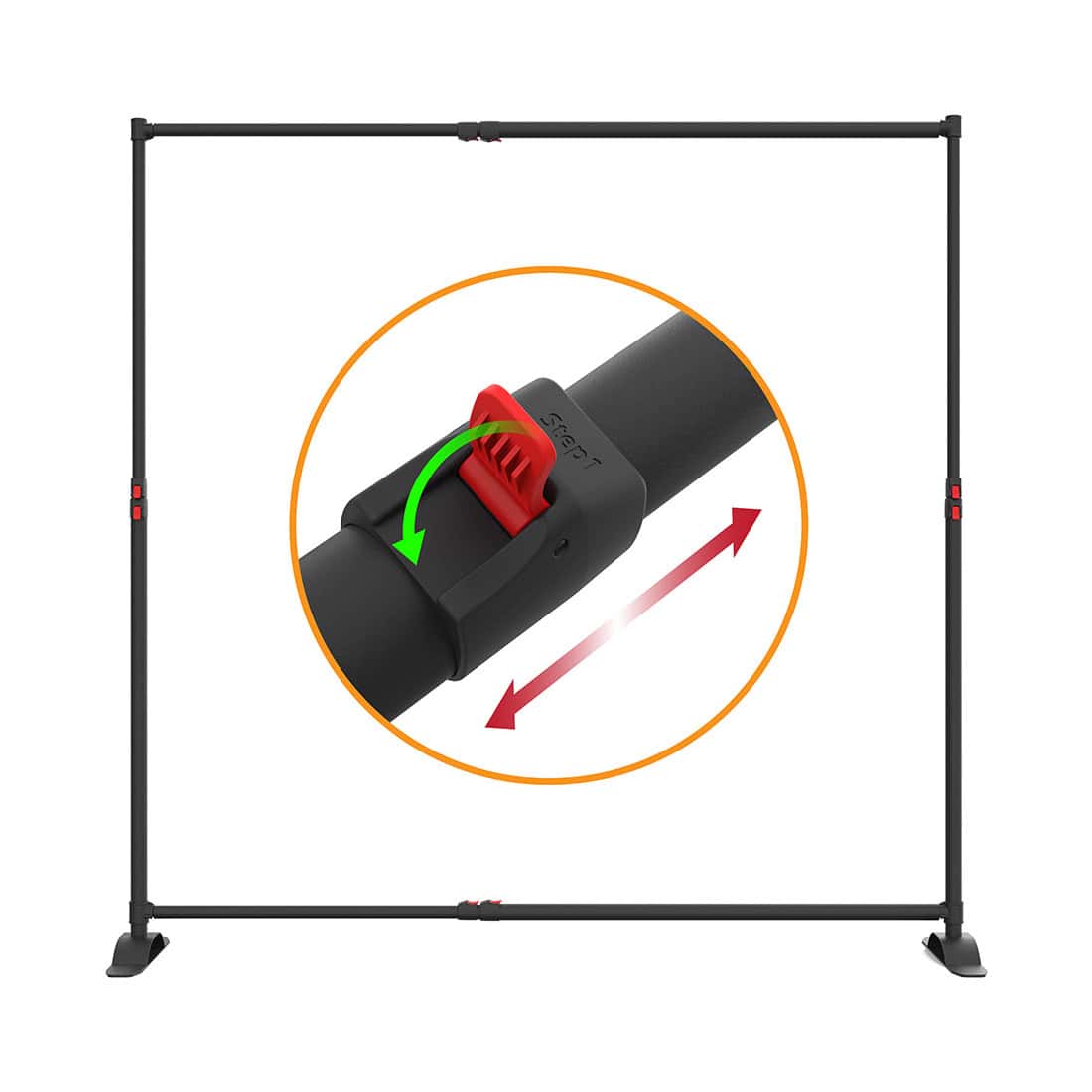
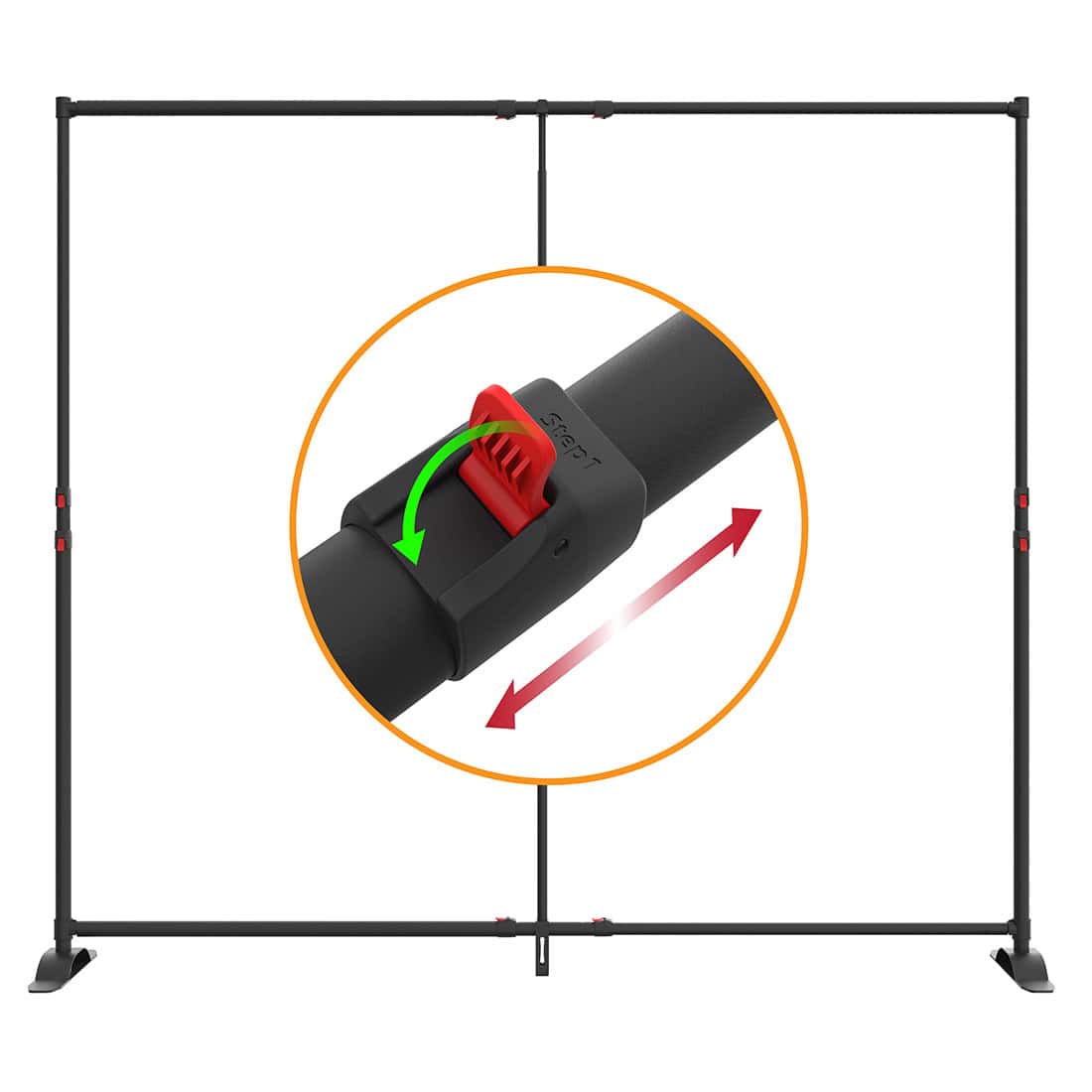
- Tool-less or low-tool assembly
Why Staying Current Matters
1. Authority & Perception
In competitive halls—such as those at CES—outdated booths signal stagnation. Modern displays communicate:
- Innovation
- Financial stability
- Attention to detail
- Customer-centric thinking
First impressions shape how your brand is perceived long before a conversation starts.
2. Visual Differentiation in Saturated Environments
After walking past dozens of standard roll-up banners, attendees experience “visual fatigue.” Modern booth displays break that monotony using:
- Backlit SEG graphics
- Curved architectural shapes
- 3D layered textures
- Clean, frameless designs
The goal is not just to be different—but to be strategically noticeable.
3. Functional Improvements Over Older Systems
New display systems solve long-standing operational problems:
| Feature | Practical Benefit |
|---|---|
| Tool-less frames | Faster installation, lower labor costs |
| Lightweight aluminum | Reduced shipping and drayage fees |
| Swappable fabric skins | Easy graphic updates for new campaigns |
| Hidden cable channels | Cleaner digital setups |
In real-world projects, switching from wood-panel booths to aluminum fabric systems reduced shipping costs by 30–40% annually.
Core Features of Modern Booth Displays
Modular Scalability
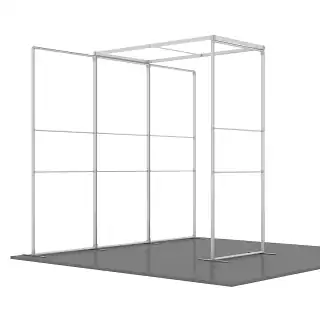
Today’s systems behave like building blocks. A 10×10 configuration can expand into:
- 10×20 inline
- 20×20 island
- Tower + divider configuration
This protects your long-term investment as your brand grows.
Integrated Technology
Modern displays are built with:
- Embedded tablet mounts
- Monitor brackets
- Concealed wiring
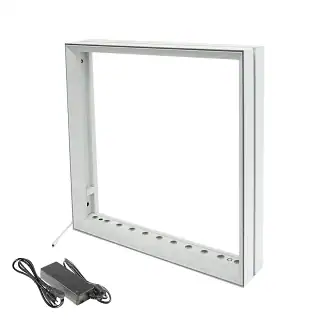
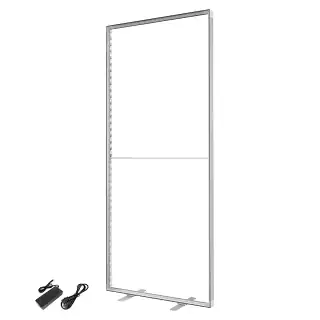
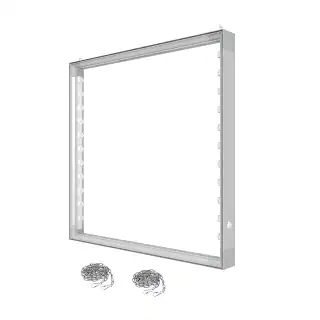
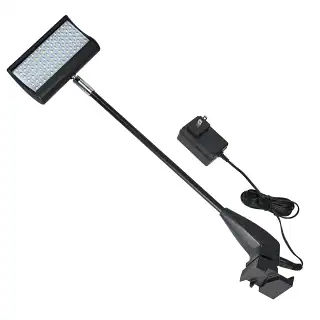
- LED ladder lighting systems
Clean digital integration improves professionalism and eliminates the “cable chaos” effect that often undermines credibility.
Backlit Silicone Edge Graphics (SEG)
SEG systems provide:
- Wrinkle-free appearance
- High-resolution printing
- Uniform LED backlighting
- Professional, architectural finish
These displays often look permanent—even though they’re portable.
Material & Design Innovations
Sustainable Materials
Sustainability is no longer optional. Many brands now use:
- Recycled aluminum frames
- Dye-sublimated fabrics
- Eco-certified inks
Environmentally responsible display systems align with corporate ESG initiatives and resonate strongly with modern buyers.
Organic & Architectural Shapes
We’re seeing a shift from rigid 90-degree layouts to:
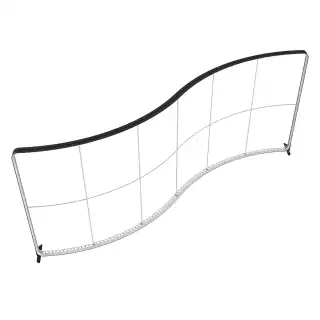
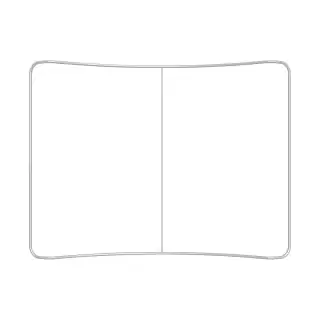
- Curved walls
- Circular hanging signs
- Open-entry floor plans
- Multi-layered dimensional graphics
These shapes feel more inviting and less transactional.
How to Choose the Right Display
1. Your Primary Objective
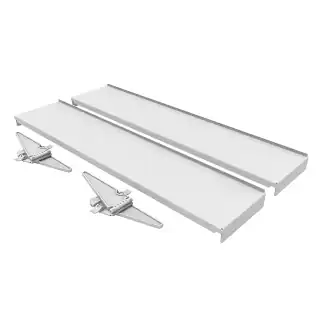
- Product Launch? Add shelving, pedestals, spotlighting.
- Brand Awareness? Invest in large-format backlit graphics.
- Lead Capture? Integrate digital forms and demo screens.
Your booth should support behavior—not just branding.
2. Team & Logistics
If your team is small:
- Choose expandable pop-up systems.
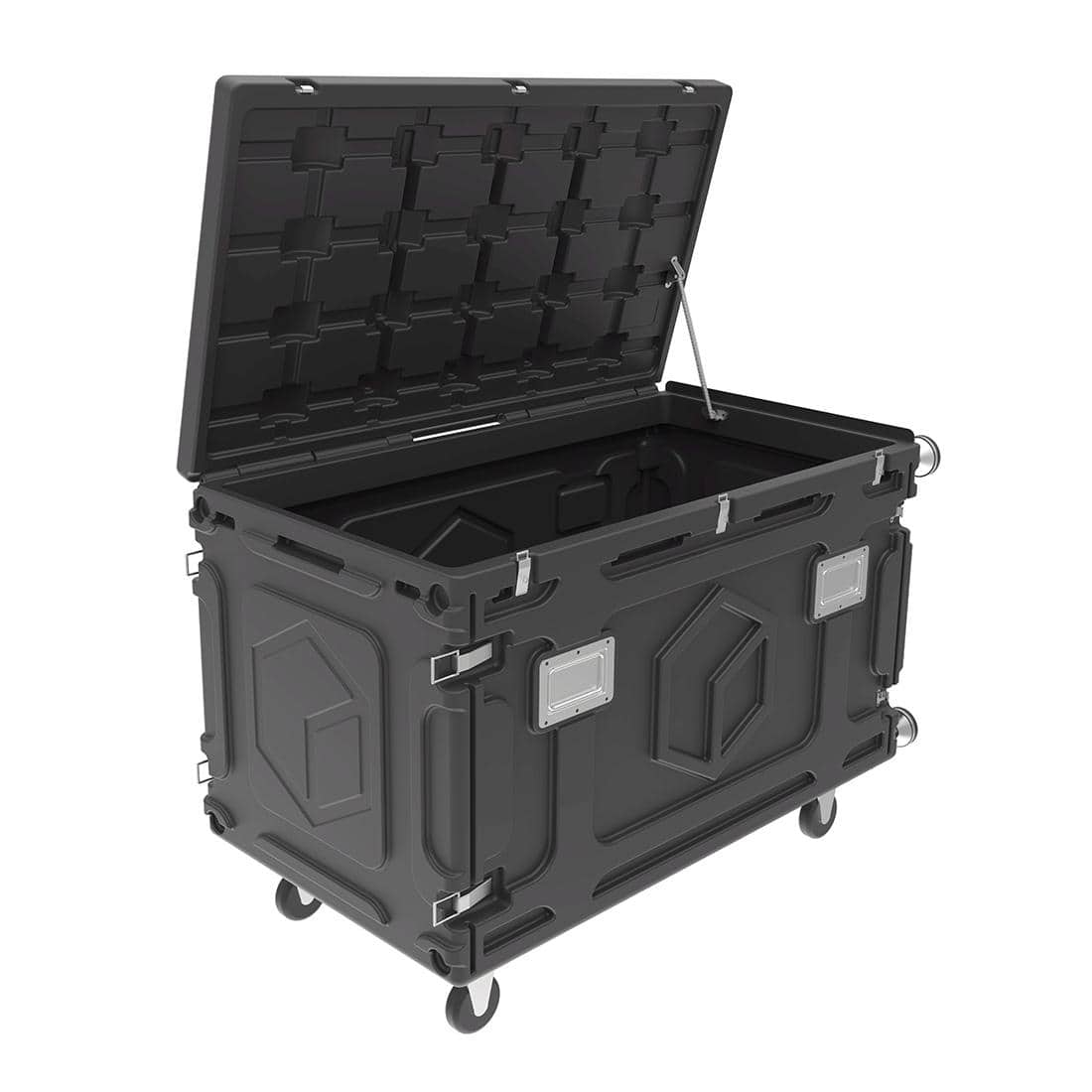
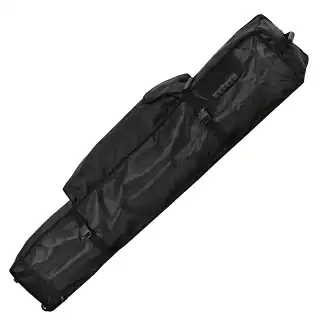
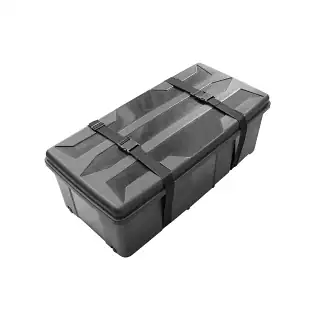
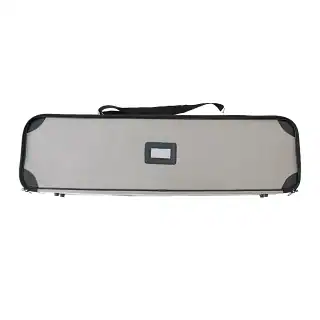
- Ensure everything fits in wheeled transport cases.
- Confirm assembly time under 60–90 minutes.
Less reliance on union labor = lower costs.
3. Long-Term Versatility
A smart display system should:
- Reconfigure into multiple layouts
- Allow graphic skin swaps
- Support different event sizes
Think in 3–5 year cycles, not single-event purchases.
Maximizing Visitor Engagement
Create a Designed Photo Zone
High-impact visuals or dimensional logos encourage organic social sharing.
Interactive Touchpoints
- Gamified surveys
- Product demos
- AR overlays (using QR codes)
Lighting Strategy
Programmable LED lighting allows:
- Color shifts throughout the day
- Highlighting different product zones
- Attention-triggering movement
Dynamic lighting often increases booth dwell time significantly.
Budgeting: Thinking Beyond Initial Cost
Instead of asking, “What’s the cheapest option?” ask:
What is the cost per qualified lead?
Total Cost of Ownership (TCO) Considerations:
| Cost Factor | What to Evaluate |
|---|---|
| Initial Frame Cost | Durability (5–10 year lifespan?) |
| Shipping | Weight & crate size |
| Storage | Compactness |
| Graphic Updates | Fabric replacement affordability |
| Setup Labor | Assembly complexity |
A booth costing 20% more upfront but generating 50% more qualified leads is the smarter long-term investment.
Future Innovations in Booth Displays
The next wave includes:
- Transparent OLED screens
- Augmented Reality overlays
- Interactive projection mapping
- Smart textiles with adaptive lighting
Hybrid physical-digital experiences will dominate major expos over the next decade.
Common Mistakes to Avoid
- Overcrowding the space with furniture
- Blocking entry with front-facing tables
- Using too much text on graphics
- Ignoring lighting entirely
- Choosing style over strategic purpose
A booth should guide movement—not obstruct it.









 5101 Commerce Dr., Baldwin Park, CA 91706
 ExhibitorLive 2026 , Mar 30-April 1, Tampa , FL , Booth #237