





Why Proper Storage Protects More Than Just Equipment:
When it comes to extending the life of your trade show display, how you store it is just as important as how you use it. This is especially true for portable and foldable displays, which offer convenience but require careful handling.
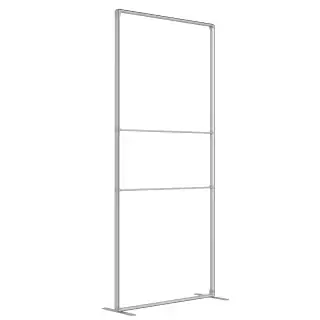
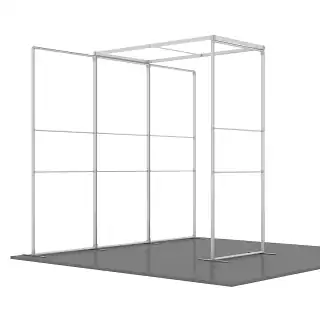
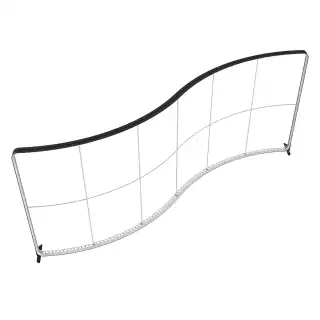
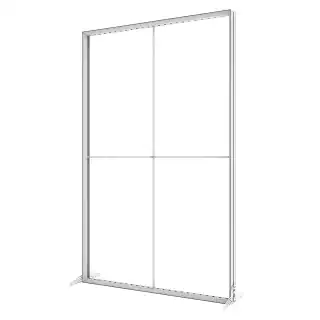
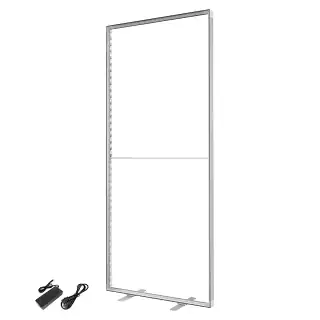
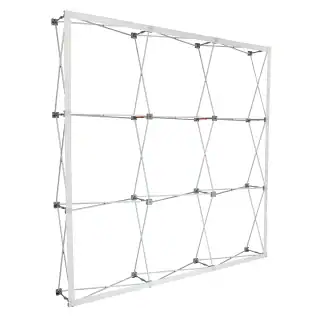
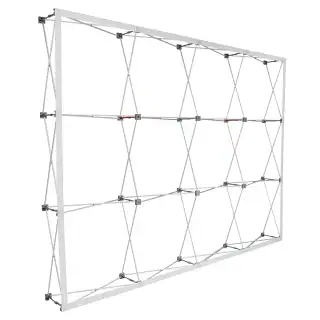
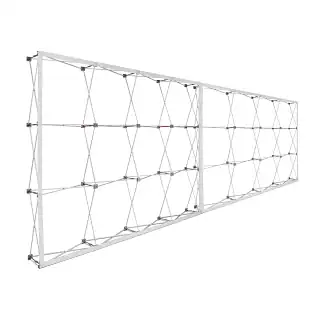
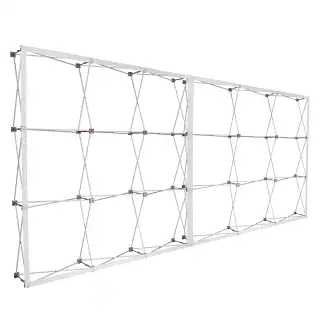
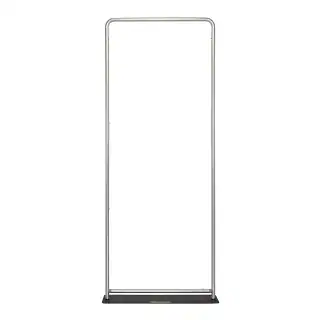
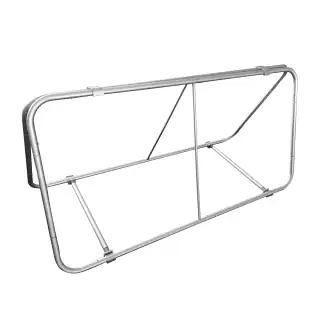
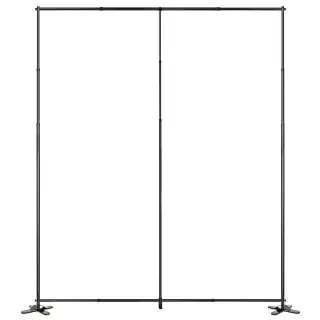
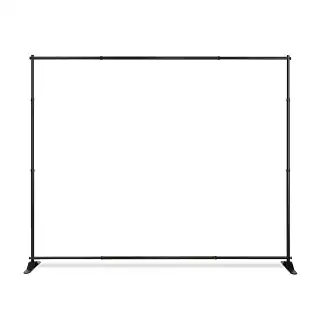
Whether you’re managing a slim event display or a full modular trade show system, proper storage ensures your investment looks sharp, functions well, and continues to represent your brand professionally. This guide offers practical, experience-backed instructions for maintaining your Lightweight Collapsible Display Frame and keeping it event-ready for years to come.
Understanding the Design of Today’s Displays:
Modern trade show displays are a far cry from the heavy setups of the past. They’re made with:
-
Lightweight aluminum or hybrid frames
-
Stretch fabrics
-
Precision tension mechanisms
-
Swappable graphics, such as interchangeable SEG panels
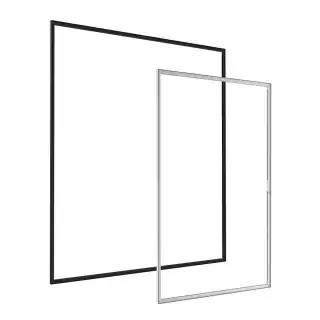
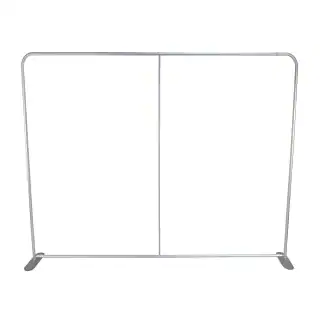
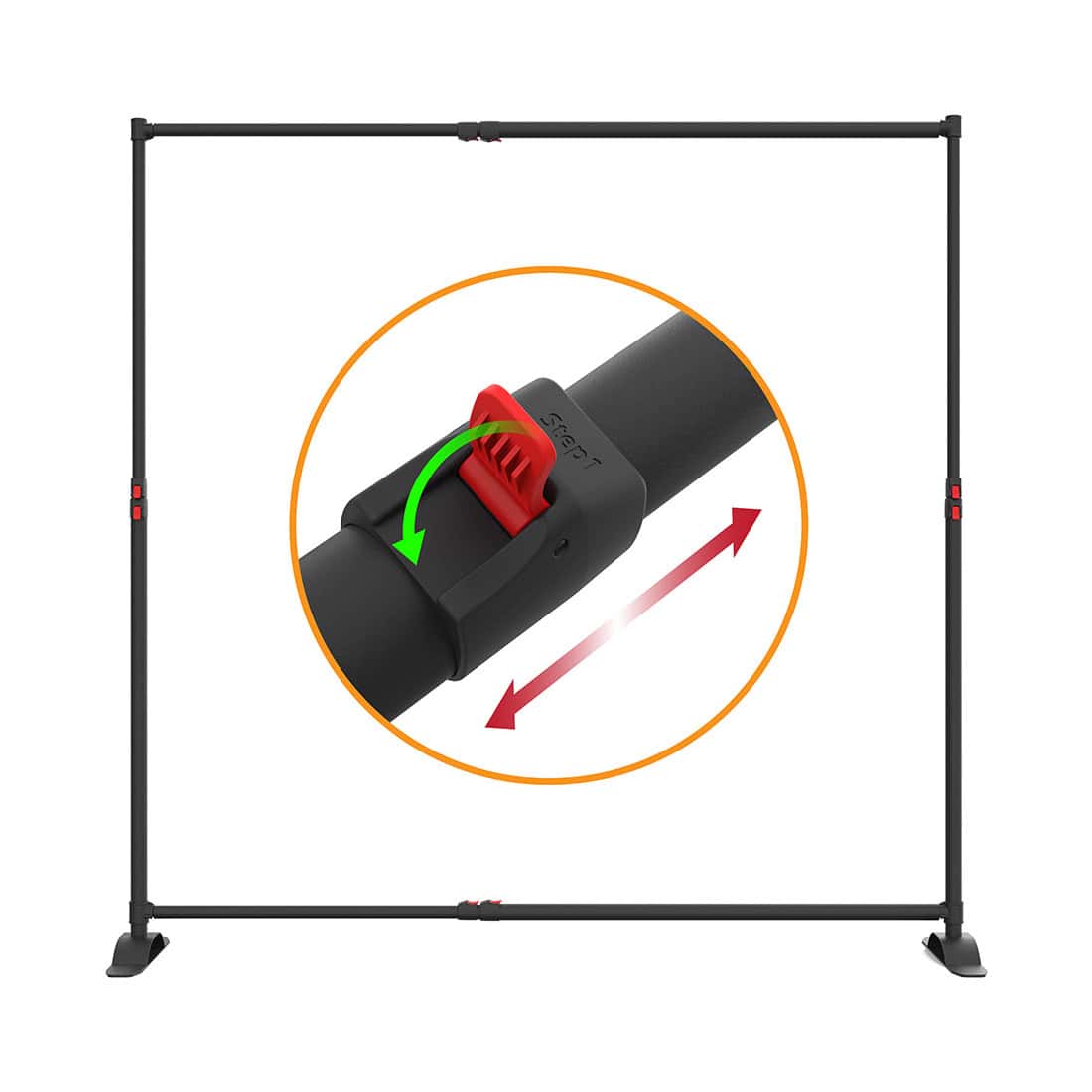
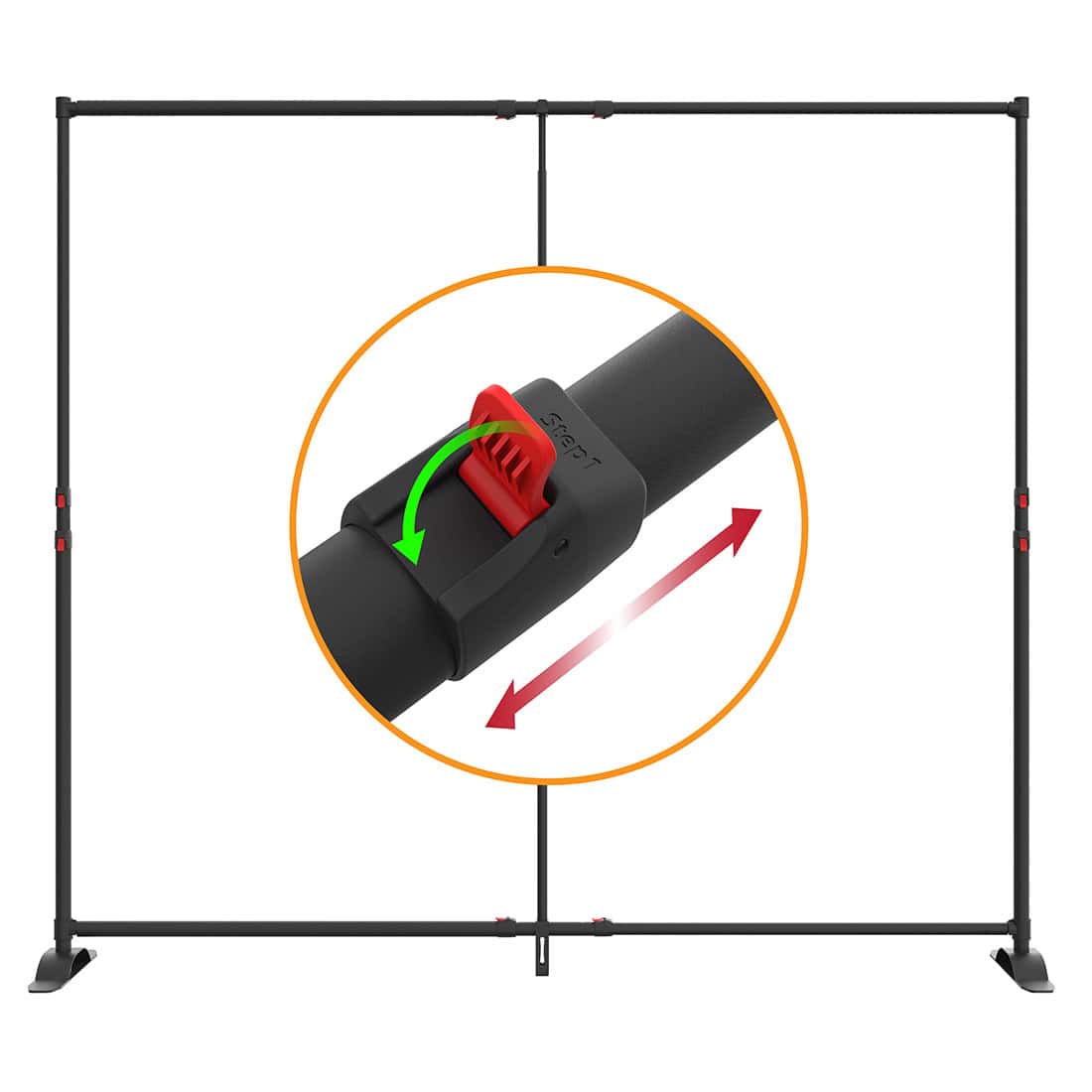
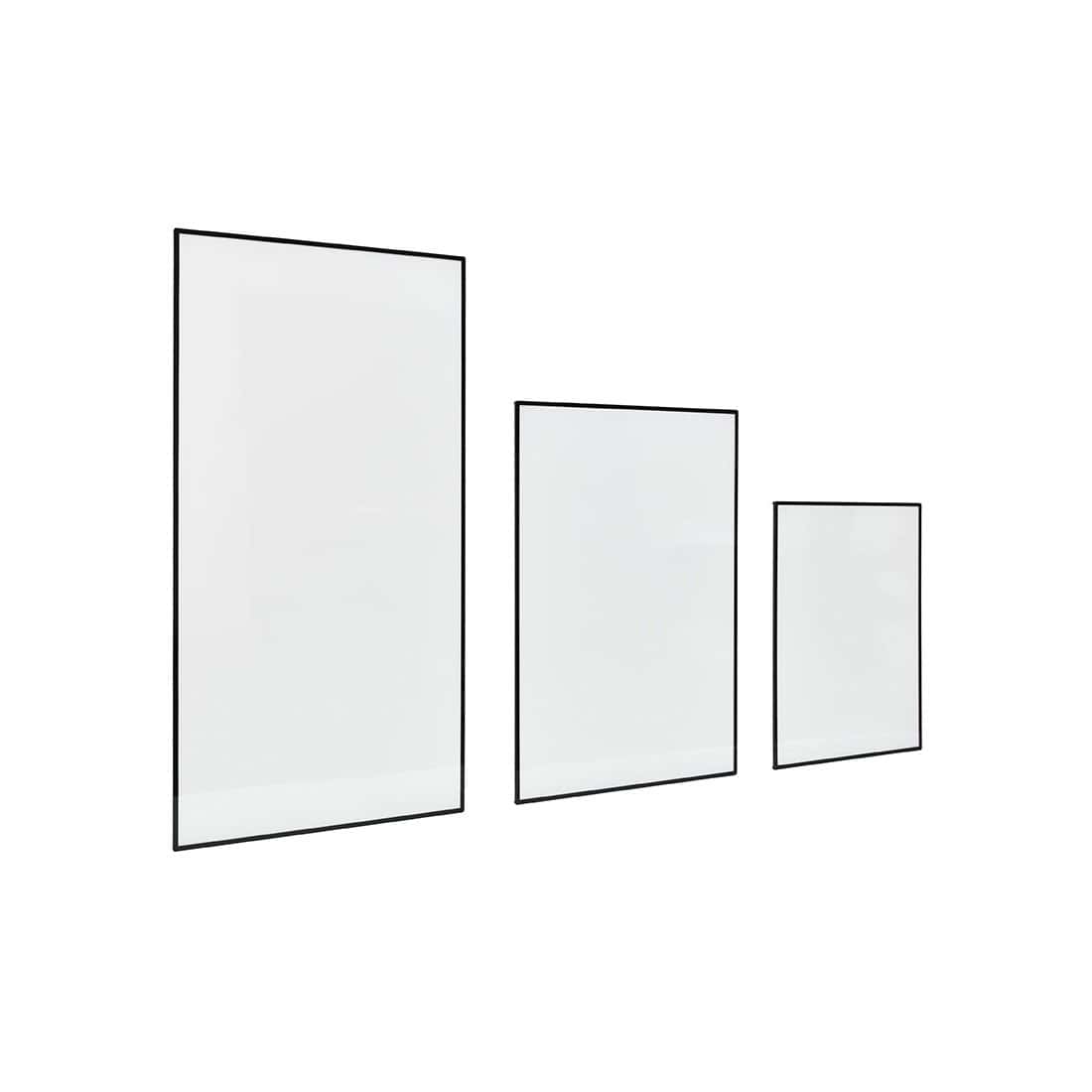
Displays like a compact event backdrop or easy-to-carry display wall are built for speed and flexibility. However, because they rely on tension-based structures and wrinkle-resistant fabrics, even minor storage mistakes can make them look worn out or misaligned.
Fabric SEG display systems, for example, depend on exact frame dimensions to stretch correctly. If your frame bends in storage or your graphic is creased, the final presentation suffers.
Pre-Storage Checklist: What to Do Before You Pack
To maintain both structure and visual appeal, follow these essential steps:
1. Clean the Display System
-
Frames and hardware: Wipe with a dry or lightly damp cloth to remove dirt and fingerprints.
-
Fabrics: Use the manufacturer’s recommended method—usually spot-cleaning with water only. Avoid chemical cleaners unless approved.
2. Inspect for Damage
Check:
-
Frame joints for stress or cracks
-
Aluminum tubing for dents
-
Tension points for loosening or wear
Catching small issues early prevents expensive replacements later.
3. Dry Everything Thoroughly
If your display was exposed to outdoor conditions or high humidity, make sure it’s completely dry before packing. Even a slim event display can retain hidden moisture that leads to mildew or material breakdown.
4. Fold or Roll Graphics Correctly
-
Do not force graphics into tight compartments.
-
Roll gently or fold according to manufacturer instructions.
-
Use protective sleeves or soft materials to prevent creasing.
Best Practices for Packing and Transport:
Use the Original Case or Padded Storage
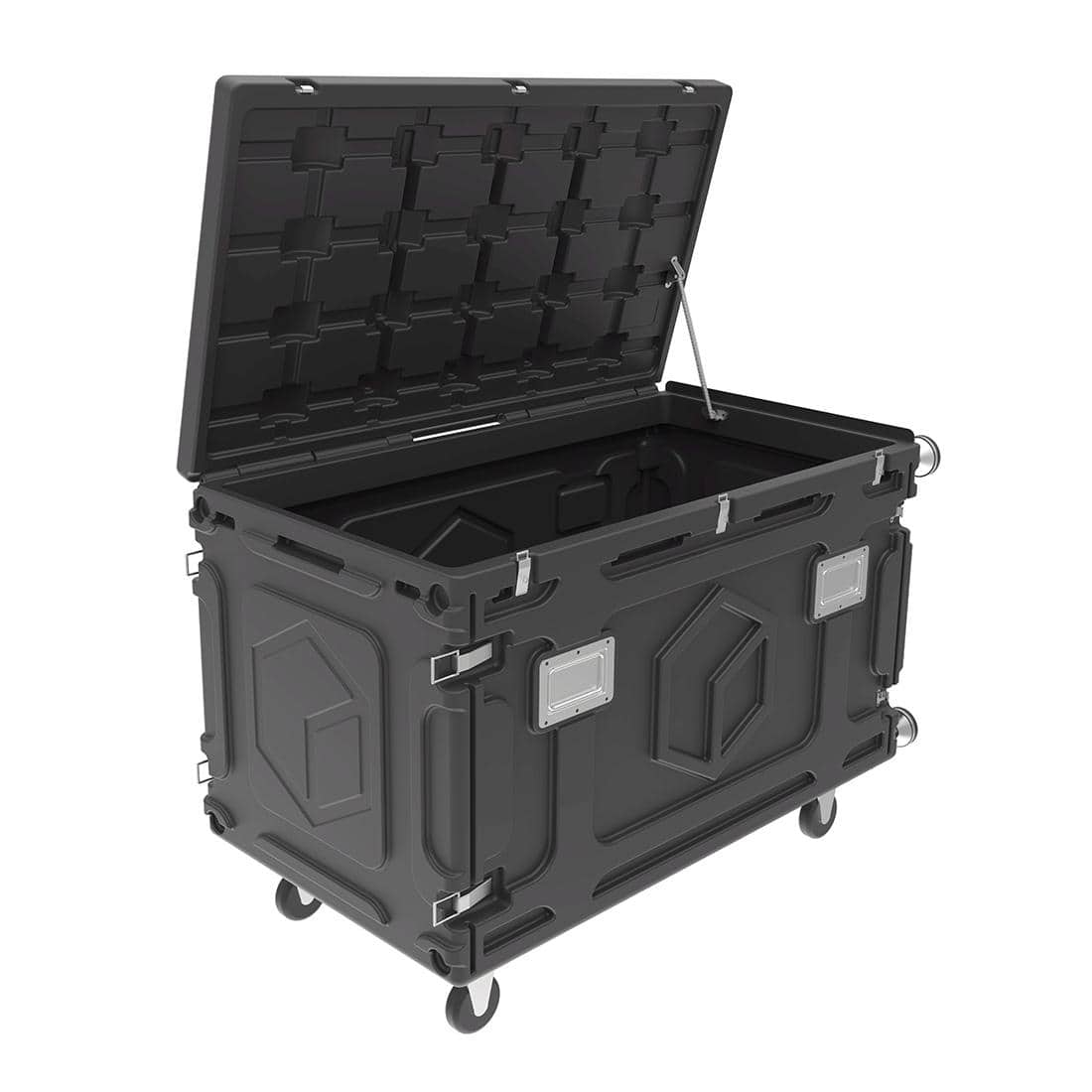
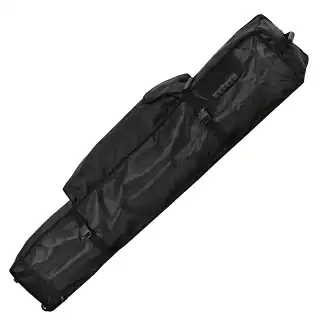
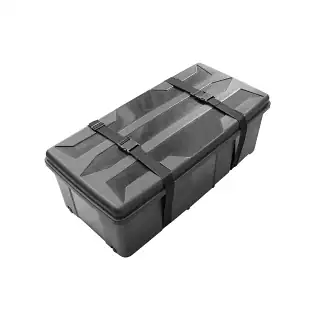
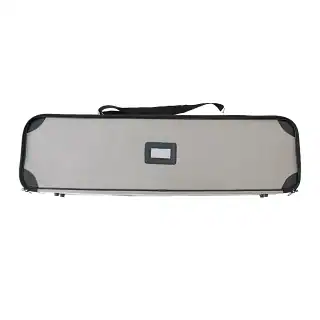
Original packaging is designed to support the exact shape and size of each part. If unavailable, use a purpose-built padded case that keeps graphics separate from hardware.
Separate Materials
Never pack metal frames with fabric graphics in the same compartment. Sharp edges can cause abrasions or tears.
Avoid Overpacking
Overstuffing your case can warp frame parts or embed hard-to-remove wrinkles into graphics. Even a compact event backdrop should fit loosely enough to preserve its natural shape.
Transport with Care
Whether moving in a personal vehicle or by freight:
-
Lay the storage case flat
-
Prevent heavy objects from being placed on top
-
Use padding or securing straps to avoid shifting in transit
Long-Term Storage Tips
If you won’t use your display for several weeks or months, take additional precautions:
Store in a Clean, Climate-Controlled Space
-
Choose a dry, dust-free environment
-
Avoid basements, garages, or outdoor sheds
-
Consistent temperature prevents material fatigue and frame distortion
Protect From Light and Humidity
-
Direct sunlight can fade both fabrics and frame coatings
-
Humidity invites mold and degrades adhesives
Organize Components
Label all parts, from frame segments to SEG graphics. This makes setup faster and reduces the risk of forcing mismatched pieces together. A modular trade show system requires precision, and good organization is essential.
Common Mistakes That Damage Displays
Even seasoned exhibitors fall into these avoidable traps:
-
Storing graphics while damp: Leads to staining, mold, and weakened fibers
-
Leaving tension-lock frames partially engaged: Adds unnecessary stress to springs
-
Stacking heavy items on the display case: Can deform even strong aluminum frames
-
Using open boxes or unpadded containers: Offers little protection from pressure or moisture
Remember: every time you store your system incorrectly, you risk reducing its professional appearance and usability.
Pro Maintenance Habits to Extend Display Life
-
Create a repeatable post-event routine: Assign staff to clean, inspect, and properly pack every time
-
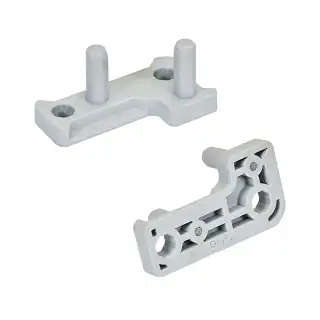
Keep extra connectors and clips: They’re cheap to replace but can delay setup if lost
-
Take photos during setup: These serve as visual guides for faster reassembly
Conclusion: Store It Right, Use It Longer
A Lightweight Collapsible Display Frame is engineered for convenience, but its longevity depends on how well you maintain and store it. Your display isn’t just a setup—it’s a reflection of your brand’s quality and attention to detail.
Treat it with care, establish a simple storage process, and you’ll avoid costly replacements while maintaining a professional appearance across every event.










 5101 Commerce Dr., Baldwin Park, CA 91706
 ExhibitorLive 2026 , Mar 30-April 1, Tampa , FL , Booth #237