





Why Canopy Maintenance Matters:
Outdoor canopies play a vital role in professional event setups—from trade shows to food festivals, brand activations, and market stalls. Their flexibility and ease of use are what make them appealing. However, many businesses overlook the critical role that regular maintenance plays in preserving both the function and appearance of these units.
When properly maintained, high-quality aluminum canopy systems can last far longer than expected. This guide walks you through a proven maintenance routine designed to protect both the fabric and the frame so you get years of reliable use from your investment.
Know Your Canopy: What Makes It Durable
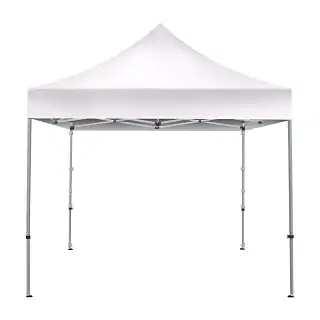
The Tenda Hex Aluminum 10 x 10 canopy is built to withstand the elements. Unlike basic canopy models, its strength lies in the hexagonal aluminum frame—a design that improves weight distribution and impact resistance. This gives you more reliability in windy conditions and repeated use without adding unnecessary weight.
Such features make it ideal for teams looking for a lightweight hex frame canopy that doesn’t compromise on durability. The aluminum structure is resistant to rust, and its interlocking design makes it easy to set up quickly at events. Understanding these materials is the first step in applying proper maintenance methods.
Step 1: Pre-Cleaning Inspection
Before cleaning or packing, always begin with a quick inspection. Start by looking at the canopy fabric—check for dust, tree sap, stains, or any signs of mildew, especially along the seams and corners. If you’re using a custom outdoor event shelter, this step is even more important, as dirt buildup can reduce visual quality and damage branding prints.
Next, examine the frame. Look for bent joints, hairline cracks, or sticky locking mechanisms. Test whether the legs extend and lock without resistance. These quick checks help you identify minor issues before they become major structural problems.
Step 2: Clean the Fabric Gently but Thoroughly
With inspections done, you’re ready to clean the canopy. Fully set up the tent in an open area. Avoid cleaning it while collapsed, as that restricts access to fabric folds and tension points.
Use warm water mixed with mild detergent (never bleach or acidic cleaners). A soft-bristle brush is best for scrubbing. Gently clean one panel at a time, rinsing after each section with a garden hose or low-pressure water source.
This is especially critical for those using custom-branded event shelters—logos, colors, and promotional designs must stay vibrant. Mold, UV stains, or water streaks not only reduce lifespan but make your event booth appear unprofessional. Let the canopy air-dry completely in sunlight before packing. Never fold it when even slightly damp.
And yes—whether you’re cleaning a standard model or a 10×10 aluminum pop-up canopy tent like the Tenda Hex Aluminum 10 x 10, gentle care always pays off.
Step 3: Maintain the Frame — Aluminum Doesn’t Mean Maintenance-Free
Aluminum is rust-resistant but not rust-proof. Event gear often accumulates sand, water residue, and environmental particles. Wipe down each leg with a microfiber cloth. For joints or hinges, use a soft brush with soapy water and dry immediately with a clean towel.
The hex-frame construction for stability and portability makes it more durable than round or square tubing, but it still requires attention. Make sure all locking clips are functioning properly and lightly lubricate if necessary (use silicone-based sprays, not oils that attract dust).
A common mistake? Storing a slightly damp frame. Moisture, especially trapped in moving joints, will degrade even high-grade aluminum over time.
Step 4: Long-Term Storage — Do It Right or Regret It Later
Once clean and dry, it’s time to store your canopy properly. Avoid areas that experience drastic temperature swings, excessive humidity, or insect activity.
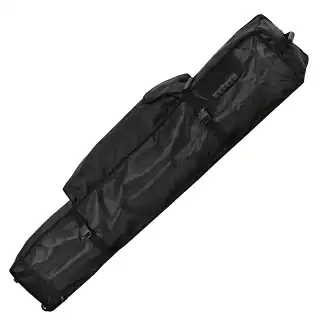
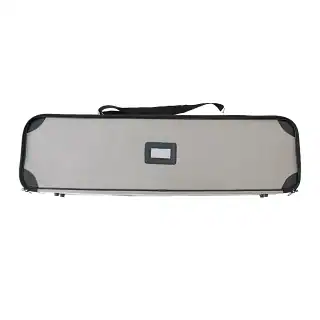
Fold the canopy fabric carefully along its original seams. Store it in a breathable carry case, not a vacuum-sealed bag. Ventilation prevents trapped moisture from causing mold or fabric breakdown. This is where most owners of custom-built shelters for outdoor use unintentionally shorten their canopy’s life. They store it wet, bent, or bunched up—leading to weak spots and fabric deformation.
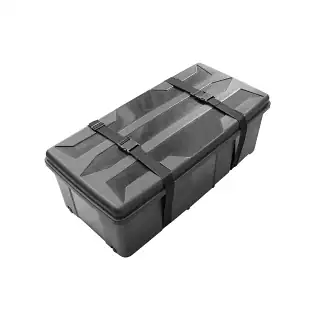
Keep the frame in its case, upright if possible, and away from ground contact to prevent denting or corrosion from below.
Step 5: Build a Maintenance Routine Around Your Event Calendar
If you use your canopy regularly—at seasonal activations, outdoor pop-ups, or corporate booths—you need more than a one-time deep clean. Build a habit around maintenance.
-
After each event: clean fabric, inspect frame, dry, store
-
Once per month (off-season): assemble fully and inspect connections
-
Every 6 months: deep clean and lubricate joints
Companies using personalized outdoor canopies for events often follow a documented checklist. This practice ensures their gear is always event-ready without last-minute surprises.
Final Thoughts: Smart Habits = Years of Performance
A canopy is more than just a shelter—it’s a visible part of your brand. It signals professionalism, attention to detail, and care for your customer experience.
By applying this guide, your lightweight hex frame canopy can serve your brand season after season without loss of form or function. Regular cleaning, proper storage, and frame inspections might take just 15 minutes per use—but they extend your equipment’s life by years.
Treat your canopy like the long-term business asset it is. Maintain it not just to avoid damage—but to uphold the quality and impression your brand deserves.










 5101 Commerce Dr., Baldwin Park, CA 91706
 ExhibitorLive 2026 , Mar 30-April 1, Tampa , FL , Booth #237